Stixis scandens
Stixis scandens · Accepted scientific name
Scientific literature: Very Sparse (1 studies) · ★☆☆☆☆
Stixis scandens is a unique botanical species that has garnered significant attention in pharmacological research. Recent studies have focused on evaluating its biological potential, particularly regarding its medicinal properties. Scientists have specifically investigated the antiviral activities present within the plant's chemical profile. These therapeutic effects are most effectively studied through the use of an ethanol extract. This specialized preparation allows for a concentrated analysis of the compounds responsible for combating viral pathogens.
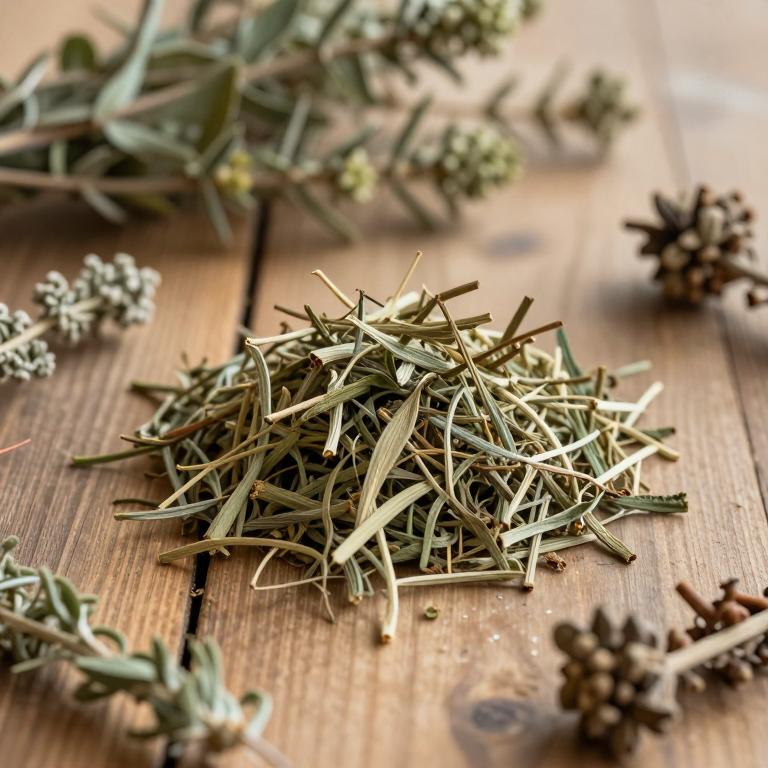
- Synonyms
- Roydsia Parviflora · Stixis Flavescens · 3 more
- Common names
- Not available
- Family
- Resedaceae
- Distribution
- Not available
- Plant Parts
- Not available
Classification
Synonyms
Stixis scandens is a complex species that has historically been identified under several different botanical names. Throughout taxonomic studies, it has been recognized by synonyms such as Roydsia parviflora and Stixis elongata. Researchers have also documented its connection to the names Stixis flavescens and Stixis manipurensis. Furthermore, the classification includes the synonym Stixis parviflora, reflecting the evolving nature of its scientific identity. These various nomenclatural links highlight the intricate history of its categorization within the plant kingdom.
Sources: The World Checklist of Vascular Plants (WCVP)
Taxonomy
Stixis scandens is a unique biological entity that belongs to the vast kingdom Plantae. Within this diverse realm, the species is classified under the class Equisetopsida. It specifically falls under the order Brassicales, showcasing its evolutionary connections. Furthermore, this plant is a member of the Resedaceae family, which helps define its botanical characteristics. Ultimately, its taxonomic identity is solidified by its placement within the genus Stixis.
| Rank | Classification |
|---|---|
| Kingdom | Plantae |
| Phylum | Streptophyta |
| Class | Equisetopsida |
| Subclass | Magnoliidae |
| Order | Brassicales |
| Family | Resedaceae |
| Genus | Stixis |
Sources: The World Checklist of Vascular Plants (WCVP)
Distribution
Geographic Regions
Stixis scandens exhibits a diverse geographical range that spans various climatic zones across Asia. Its distribution extends into temperate regions of China, including the South-Central provinces. Moving into tropical climates, the species is widely established throughout the Indian Subcontinent, specifically within India and Assam. The plant also thrives in the Indo-China region, making appearances in countries such as Cambodia and Laos. This broad presence highlights the botanical adaptability of the species across different Asian landscapes.
Sources: The World Checklist of Vascular Plants (WCVP)
Identification
Morphology
Stixis scandens possesses an obligatory climbing habit, meaning it relies entirely on physical support from other structures to ascend and thrive within its environment.
Sources: Global Inventory of Floras and Traits (GIFT)
Biological Activities
Stixis scandens has demonstrated significant antiviral activity in recent pharmacological studies focusing on porcine epidemic diarrhea virus (PEDV). Researchers evaluated several Vietnamese traditional medicinal plants and found that the ethanol extract of this specific species was the most potent. It achieved a remarkable minimum inhibitory concentration of only 0.15 μg/mL against the coronavirus family member. This high level of efficacy suggests that the plant holds immense potential for the development of new therapeutic interventions. Ultimately, these findings position Stixis scandens as a promising lead for creating novel pharmaceutical agents to combat PEDV and other related coronaviruses.
Compounds
Conditions
Stixis scandens demonstrates significant antiviral potential through its ability to treat Porcine Epidemic Diarrhea virus (PEDV). During evaluations of Vietnamese traditional medicinal plants, the ethanol extract of this specific species emerged as the most effective agent. It achieved a remarkably low minimum inhibitory concentration of 0.15 μg/mL against the virus. This high level of activity suggests that the plant is highly capable of inhibiting the cytopathic effects caused by PEDV. Consequently, its unique properties position it as a primary candidate for developing new pharmaceutical treatments for the disease.
Preparations
Stixis scandens is prepared as an ethanol extract to evaluate its medicinal properties. This specific preparation was tested for its antiviral activity against the Porcine Epidemic Diarrhea virus. Among the seventeen Vietnamese medicinal plants studied, the ethanol extract of this species emerged as the most potent. It demonstrated a remarkably low minimum inhibitory concentration of 0.15 μg/mL during the cytopathic effect-based assay. Consequently, this ethanol extract shows significant potential as a lead for developing new pharmaceutical treatments.