Sweet Leaf
Stevia · Accepted scientific name
Scientific literature: Very Sparse (11 studies) · ★☆☆☆☆
Sweet Leaf, scientifically known as Stevia, is a versatile plant native to South America, celebrated for its intense natural sweetness. Unlike sugar, its leaves provide a calorie-free alternative that does not impact blood glucose levels, making it a popular functional herb for managing diabetes and supporting healthy weight loss.
- Family
- Asteraceae
- Native range
- Europe
- Parts used
- Leaf
- Common names
- Sweet Leaf
- Scientific synonyms
- Nothites · Mustelia · 2 more
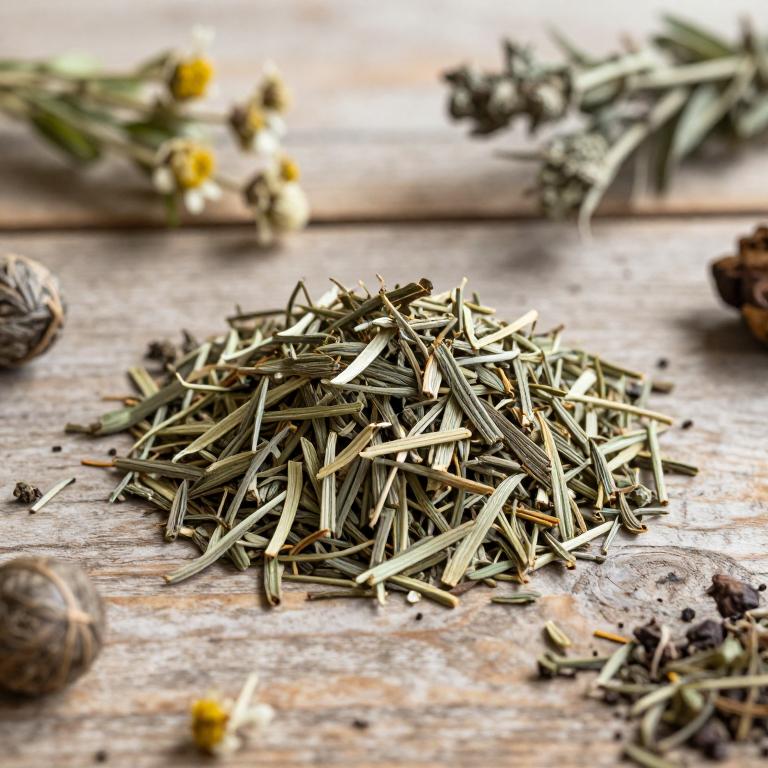
Names and Synonyms
Common Names
- Sweet Leaf
Scientific Names
Accepted name
SteviaSynonyms
- Nothites
- Mustelia
- Metastevia
- Xetoligus
Regional and Traditional Names
German:
- Stevien
Sources: Wikidata, Catalogue of Life
Taxonomical Classification
This plant belongs to the kingdom Plantae and the phylum Streptophyta, falling under the class Equisetopsida and subclass Magnoliidae. Within the order Asterales, it is classified under the family Asteraceae. Ultimately, its specific taxonomic identity is defined by the genus Stevia.
| Rank | Classification |
|---|---|
| Kingdom | Plantae |
| Phylum | Streptophyta |
| Class | Equisetopsida |
| Subclass | Magnoliidae |
| Order | Asterales |
| Family | Asteraceae |
| Genus | Stevia |
Sources: The World Checklist of Vascular Plants (WCVP)
Distribution
This plant exhibits a diverse geographical distribution spanning several distinct regions. In Middle Europe, it can be found growing within Switzerland. Its presence extends to the Caucasus region, specifically throughout the Transcaucasus. Within the Indian Subcontinent, the species is established in both Bangladesh and India. Additionally, the plant's range includes the island nation of Sri Lanka.
| Region | Area |
|---|---|
| Middle Europe | Switzerland |
| Caucasus | Transcaucasus |
| Indian Subcontinent | Bangladesh |
| Indian Subcontinent | India |
| Indian Subcontinent | Sri Lanka |
| Indian Subcontinent | West Himalaya |
| Malesia | Jawa |
| Australia | New South Wales |
| Southwestern U.S.A. | Arizona |
| South-Central U.S.A. | New Mexico |
Sources: The World Checklist of Vascular Plants (WCVP)
Plant Parts
Stevia has 1 reported plant parts identified across 3 scientific publications and several other databases that are studied for medicinal purposes. The most consistently reported plant part include leaf.
| Plant part | Supporting sources | Consensus |
|---|---|---|
| Leaf | 3 supporting sources | ★★☆☆☆ |
Leaf
- Food chemistry
- Journal of the American College of Nutrition
- International journal of food sciences and nutrition
Chemicals
Stevia has 2 reported phytochemicals identified across 3 scientific publications and several other databases. The most consistently reported chemicals include Flavonoids, steviol glycoside.
| Chemical | Supporting sources | Consensus |
|---|---|---|
| Flavonoids | 1 supporting sources | ★☆☆☆☆ |
| steviol glycoside | 1 supporting sources | ★☆☆☆☆ |
Flavonoids
- Molecules (Basel, Switzerland)
steviol glycoside
- Journal of ethnopharmacology
Activities
Stevia has 4 reported activities identified across 3 scientific publications and several other databases. The most consistently reported activities include Antioxidant, Antiparasitic, Antiproliferative, Antiviral.
| Activity | Supporting sources | Consensus |
|---|---|---|
| Antioxidant | 1 supporting sources | ★☆☆☆☆ |
| Antiparasitic | 1 supporting sources | ★☆☆☆☆ |
| Antiproliferative | 1 supporting sources | ★☆☆☆☆ |
| Antiviral | 1 supporting sources | ★☆☆☆☆ |
Antioxidant
- Molecules (Basel, Switzerland)
Antiparasitic
- Molecules (Basel, Switzerland)
Antiproliferative
- Molecules (Basel, Switzerland)
Antiviral
- Molecules (Basel, Switzerland)
Conditions
Stevia has 2 reported investigations on conditions identified across 3 scientific publications and several other databases. The most consistently reported conditions include cysticercosis, echinococcosis.
| Condition | Supporting sources | Consensus |
|---|---|---|
| Cysticercosis | 1 supporting sources | ★☆☆☆☆ |
| Echinococcosis | 1 supporting sources | ★☆☆☆☆ |
Cysticercosis
- Molecules (Basel, Switzerland)
Echinococcosis
- Molecules (Basel, Switzerland)
Preparations
Stevia has 7 reported preparations identified across 3 scientific publications and several other databases. The most consistently reported preparations include Diterpene glycosides, Stevia extracts, aqueous extract, stevia diet, stevia leaf powder.
| Preparation | Supporting sources | Consensus |
|---|---|---|
| Diterpene glycosides | 1 supporting sources | ★☆☆☆☆ |
| Stevia extracts | 1 supporting sources | ★☆☆☆☆ |
| Aqueous extract | 1 supporting sources | ★☆☆☆☆ |
| Stevia diet | 1 supporting sources | ★☆☆☆☆ |
| Stevia leaf powder | 1 supporting sources | ★☆☆☆☆ |
| Steviol glycosides | 1 supporting sources | ★☆☆☆☆ |
| Tea blends | 1 supporting sources | ★☆☆☆☆ |
Diterpene glycosides
- Biomedicine & pharmacotherapy = Biomedecine & pharmacotherapie
Stevia extracts
- Molecules (Basel, Switzerland)
Aqueous extract
- Iranian biomedical journal
Stevia diet
- Food science & nutrition
Stevia leaf powder
- Journal of the American College of Nutrition
Steviol glycosides
- Biomedicine & pharmacotherapy = Biomedecine & pharmacotherapie
Tea blends
- Applied biochemistry and biotechnology