Stephania cambodica
Stephania cambodica · Accepted scientific name
Scientific literature: Very Sparse (0 studies) · ★☆☆☆☆
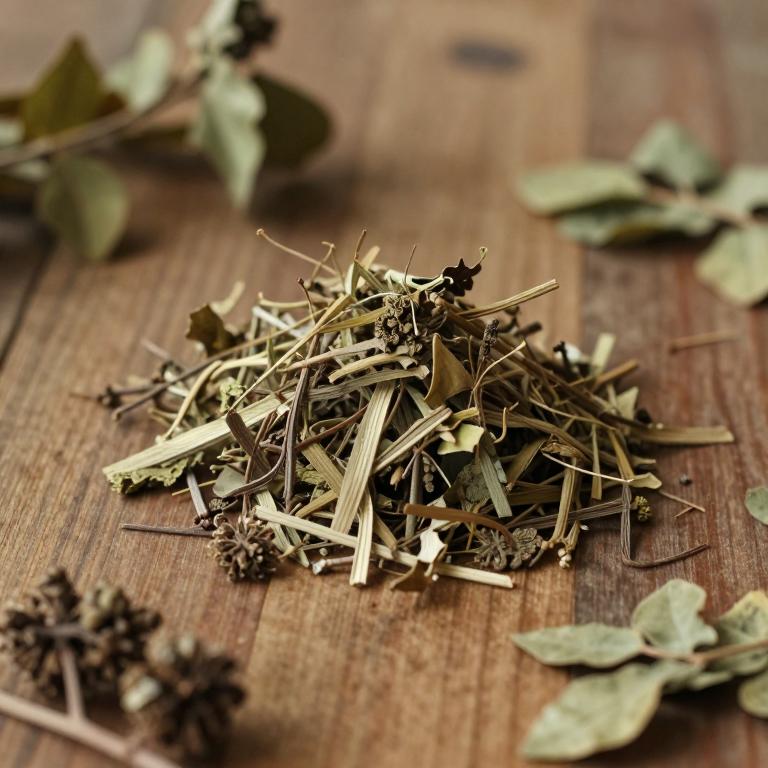
Stephania cambodica is a unique climbing plant recognized for its distinctive tuberous roots and delicate foliage. Often sought after in traditional medicinal practices, this species holds significant value due to its bioactive properties. Various preparations, particularly specialized extracts, are utilized to harness its potential therapeutic benefits. Researchers and herbalists continue to study these extracts to better understand their chemical composition and effects. Consequently, this plant remains a subject of great interest within the field of botanical pharmacology.
- Synonyms
- Not available
- Common names
- Not available
- Family
- Menispermaceae
- Distribution
- Not available
- Plant Parts
- Not available
Classification
Taxonomy
Stephania cambodica is a fascinating member of the kingdom Plantae. Within this vast biological realm, the species is classified under the class Equisetopsida. It belongs to the diverse order Ranunculales, showcasing its unique evolutionary connections. Furthermore, it is nested within the specific genus Stephania. Finally, this plant is a distinguished representative of the family Menispermaceae.
| Rank | Classification |
|---|---|
| Kingdom | Plantae |
| Phylum | Streptophyta |
| Class | Equisetopsida |
| Subclass | Magnoliidae |
| Order | Ranunculales |
| Family | Menispermaceae |
| Genus | Stephania |
Sources: The World Checklist of Vascular Plants (WCVP)
Distribution
Geographic Regions
Stephania cambodica is a distinctive plant species primarily found throughout the lush landscapes of tropical Asia. Its natural habitat is concentrated within the Indo-China region, where it thrives in specific ecological niches. Within this territory, the species is notably distributed across the country of Cambodia. It also maintains a significant presence throughout the various terrains of Vietnam. These specific geographic relationships highlight the plant's specialized environmental requirements in Southeast Asia.
Sources: The World Checklist of Vascular Plants (WCVP)
Identification
Biological Activities
Compounds
Conditions
Stephania cambodica exerts a notable inhibitory effect on the agonist-induced activity of the human neurokinin-1 receptor. This specific pharmacological interaction highlights the plant's potential role in modulating central nervous system functions. Research indicates that such botanical extracts can influence receptor activity at both molecular and cellular levels. By targeting these specific receptors, the plant demonstrates a complex mechanism of action relevant to neurological studies. Such findings support the scientific basis for investigating this species in the treatment of various neurological disorders.
Preparations
Stephania cambodica is prepared as extracts to investigate its pharmacological effects on the central nervous system. These specific extracts have been shown to exert inhibition of agonist-induced activity within the human neurokinin-1 receptor. By utilizing these plant preparations, researchers can study how various components interact with neurological receptors to treat maladies. The process of creating these extracts allows for the identification of active compounds that may play a role in human disease treatment. Consequently, the use of Stephania cambodica extracts provides a scientific basis for exploring medicinal applications in neurological disorders.