Stenocline inuloides
Stenocline inuloides · Accepted scientific name
Scientific literature: Very Sparse (3 studies) · ★☆☆☆☆
Stenocline inuloides, scientifically known as Stenocline inuloides, is a remarkable medicinal plant native to specific tropical regions. Renowned for its unique phytochemical profile, this species is traditionally utilized in various healing practices. Exploring its bioactive compounds offers promising insights into developing new natural therapies for diverse health conditions.
- Family
- Asteraceae
- Native range
- Africa
- Parts used
- Not available
- Common names
- Not available
- Scientific synonyms
- Helichrysum Inuloides
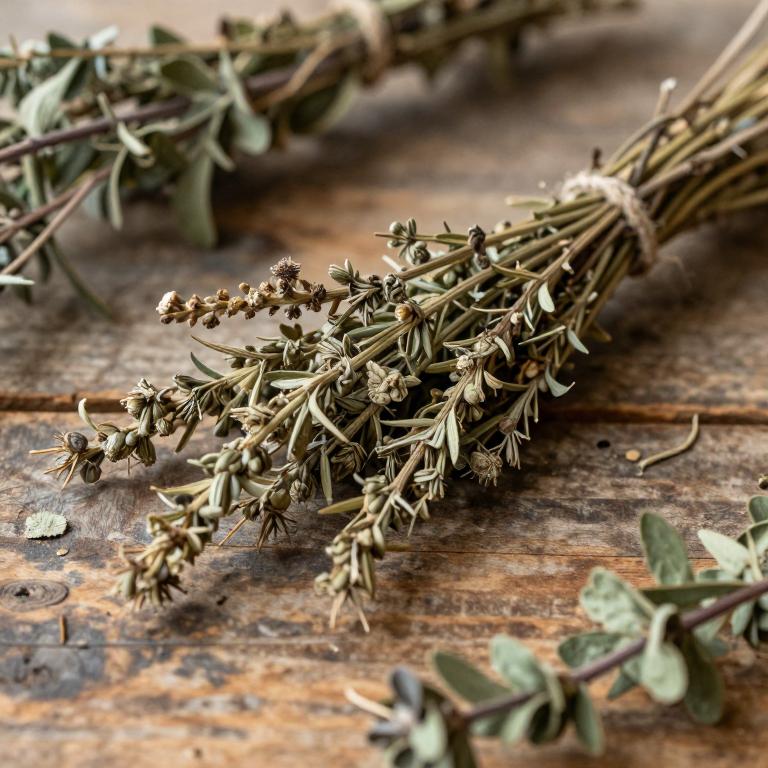
Names and Synonyms
Scientific Names
Accepted name
Stenocline inuloidesSynonyms
- Helichrysum inuloides
Sources: Wikidata
Taxonomical Classification
This plant belongs to the kingdom Plantae and the phylum Streptophyta, falling under the class Equisetopsida and subclass Magnoliidae. Within the order Asterales, it is classified under the family Asteraceae and is specifically identified by the genus Stenocline.
| Rank | Classification |
|---|---|
| Kingdom | Plantae |
| Phylum | Streptophyta |
| Class | Equisetopsida |
| Subclass | Magnoliidae |
| Order | Asterales |
| Family | Asteraceae |
| Genus | Stenocline |
Sources: The World Checklist of Vascular Plants (WCVP)
Distribution
This plant is geographically restricted to a very specific region of the world. Its natural habitat is located within the Western Indian Ocean. Specifically, the species is endemic to the island of Madagascar. This limited range suggests that its survival depends on the unique environmental conditions found there. Consequently, understanding its local ecosystem is essential for the conservation of this medicinal species.
| Region | Area |
|---|---|
| Western Indian Ocean | Madagascar |
Sources: The World Checklist of Vascular Plants (WCVP)
Botanical Identification
Morphology
The morphology of Stenocline inuloides is characterized by its classification as a herb, exhibiting a growth form typical of non-woody herbaceous plants. Regarding its ecological habit and substrate preference, the species is categorized as terrestrial, distinguishing it from purely aquatic or epiphytic life forms. While the broader classification system allows for variations across aquatic, semiaquatic, and terrestrial habitats, this specific plant maintains a terrestrial existence rather than functioning as an obligatory or facultative epiphyte.
- Aquatic :
- terrestrial
- Epiphyte :
- terrestrial
- Growth form :
- herb
Sources: Global Inventory of Floras and Traits (GIFT)
Chemicals
Stenocline inuloides has 2 reported phytochemicals identified across 0 scientific publications and several other databases. The most consistently reported chemicals include Flavonoid, polyphenols.
| Chemical | Supporting sources | Consensus |
|---|---|---|
| Flavonoid | 1 supporting sources | ★☆☆☆☆ |
| polyphenols | 1 supporting sources | ★☆☆☆☆ |
Flavonoid
- Pharmaceuticals (Basel, Switzerland)
polyphenols
- Pharmaceuticals (Basel, Switzerland)
Conditions
Stenocline inuloides has 1 reported investigations on conditions identified across 0 scientific publications and several other databases. The most consistently reported conditions include Dengue.
| Condition | Supporting sources | Consensus |
|---|---|---|
| Dengue | 1 supporting sources | ★☆☆☆☆ |
Dengue
- Pharmaceuticals (Basel, Switzerland)