Stegnosperma halimifolium
Stegnosperma halimifolium · Accepted scientific name
Scientific literature: Very Sparse (0 studies) · ★☆☆☆☆
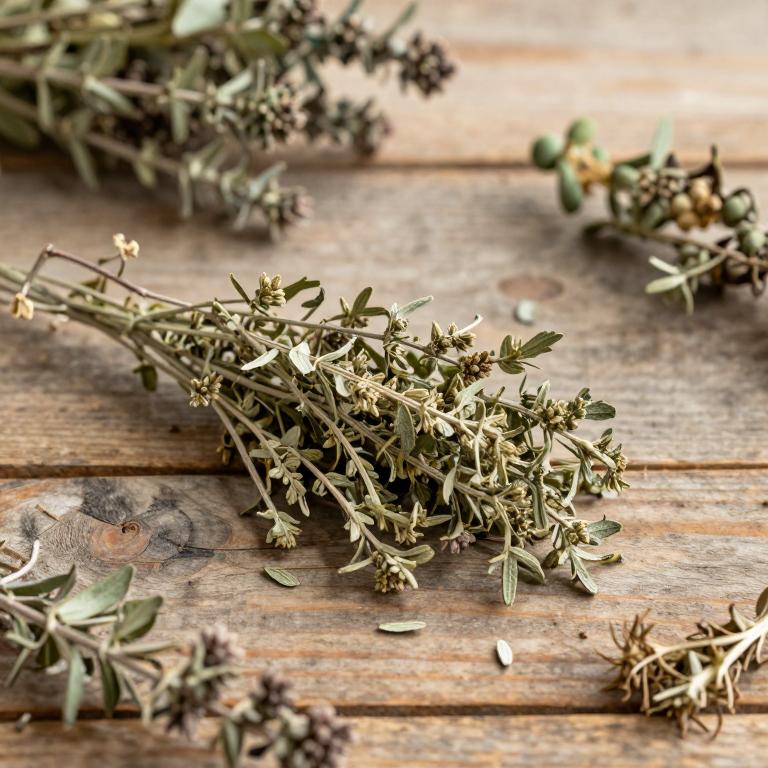
Stegnosperma halimifolium is a distinctive botanical species that has garnered scientific interest due to its unique chemical profile. Researchers have focused on the plant's leaves and stems to investigate its potential bioactive properties. Through the use of methanolic extracts, various therapeutic components can be effectively isolated for study. Notably, the presence of the chemical spinasterol has been identified within these preparations. Understanding these constituents provides valuable insights into the plant's overall pharmacological importance.
- Synonyms
- Not available
- Common names
- Not available
- Family
- Stegnospermataceae
- Distribution
- Not available
- Plant Parts
- Leaf · Stem
Classification
Common Names
Stegnosperma halimifolium is a unique botanical species known by several distinct names. Among its most frequent identifiers, it is commonly referred to as the Amole. In certain regions, you may also encounter it being called the Baja California Stegnosperma. These varying names help enthusiasts and researchers pinpoint the plant across different geographical contexts. Understanding these common aliases is essential for anyone studying its specific role in the natural world.
Sources: Catalogue of Life (COL)
Taxonomy
Stegnosperma halimifolium is a unique botanical specimen belonging to the kingdom Plantae. Within this vast kingdom, it is classified under the class Equisetopsida. Its taxonomic journey continues through the order Caryophyllales, showcasing its specific evolutionary placement. The plant is a member of the distinct family Stegnospermataceae, which highlights its specialized biological traits. Finally, it resides within the genus Stegnosperma, marking its specific identity in the natural world.
| Rank | Classification |
|---|---|
| Kingdom | Plantae |
| Phylum | Streptophyta |
| Class | Equisetopsida |
| Subclass | Magnoliidae |
| Order | Caryophyllales |
| Family | Stegnospermataceae |
| Genus | Stegnosperma |
Sources: The World Checklist of Vascular Plants (WCVP)
Distribution
Geographic Regions
Stegnosperma halimifolium is a distinctive plant species with a broad geographic presence across Northern America. Its natural range is primarily concentrated within the diverse landscapes of Mexico. Specifically, the plant can be found flourishing in the central regions of the country. It also maintains a significant distribution throughout the northwest territories of Mexico. Furthermore, its reach extends into the southwest, showcasing a wide environmental adaptability.
Sources: The World Checklist of Vascular Plants (WCVP)
Identification
Morphology
Stegnosperma halimifolium is a self-supporting plant that maintains a distinct shrub growth form. It typically reaches a maximum height of 3 meters as it matures. This compact stature allows it to integrate seamlessly into various natural landscapes.
Sources: Global Inventory of Floras and Traits (GIFT)
Biological Activities
Compounds
Stegnosperma halimifolium serves as a significant natural source of bioactive secondary metabolites, particularly the sterol known as spinasterol. Through meticulous extraction and purification processes, researchers successfully isolated this specific compound from the plant's methanolic extracts. Structural characterization using NMR and Mass Spectrometry confirmed the presence of spinasterol within the botanical samples. Experimental testing revealed that this compound possesses notable antiproliferative activity against various cancer cell lines, including HeLa and RAW 264.7. Consequently, spinasterol is identified as a key component responsible for the medicinal properties found within Stegnosperma halimifolium.
Conditions
Stegnosperma halimifolium exhibits significant antiproliferative activity against several specific cancer cell lines. The extracts and isolated compounds from this plant effectively treat the A549 human alveolar cancer cell line. Research also demonstrates its ability to treat the HeLa cervical cancer cell line through the action of spinasterol. Furthermore, the plant shows therapeutic potential against the M12.C3.F6 cancer cell line. Finally, its medicinal properties extend to the treatment of PC-3 and LS-180 cell lines as evaluated in antiproliferative studies.
Preparations
Stegnosperma halimifolium is prepared as methanolic extracts to investigate its potential medicinal properties. These specific extracts are obtained from the stem, leaf, and a combination of the stem and leaf through a process of maceration. Researchers utilized these methanolic extracts to evaluate antiproliferative activity against various cancer cell lines, including RAW 264.7 and A549. The study specifically found that the methanolic extract of the stem exhibited superior antiproliferative activity against the murine macrophage cancer cell line. Ultimately, the research suggests that the bioactive compound spinasterol may be responsible for the effects observed within these methanolic extracts.
Parts used
Stegnosperma halimifolium is a medicinal plant that serves as a significant source of secondary metabolites with potential anticancer properties. Researchers have focused their investigations on specific morphological components of the plant, namely the leaf and the stem. By utilizing maceration, methanolic extracts were successfully derived from both the stem and the leaf to study their biological effects. The study specifically highlighted the stem as a primary source for evaluating antiproliferative activity against various cancer cell lines. Ultimately, these botanical parts play a crucial role in the isolation of bioactive compounds like spinasterol.