Stachys spinosa
Stachys spinosa · Accepted scientific name
Scientific literature: Very Sparse (3 studies) · ★☆☆☆☆
Stachy's spinosa, scientifically known as Stachys spinosa, is a resilient perennial herb widely recognized in traditional medicine. Native to various Mediterranean and subtropical regions, this plant is valued for its diverse therapeutic properties, including anti-inflammatory and antimicrobial effects, making it a significant subject in ethnobotanical research and pharmacology.
- Family
- Lamiaceae
- Native range
- Europe
- Parts used
- Not available
- Common names
- Not available
- Scientific synonyms
- Not available
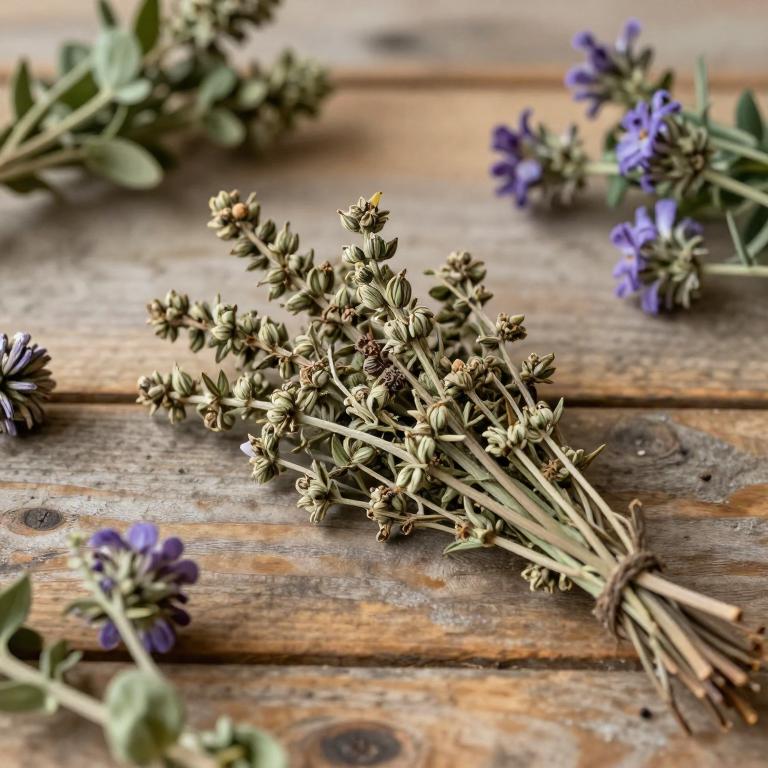
Names and Synonyms
Scientific Names
Accepted name
Stachys spinosaSources: Wikidata
Taxonomical Classification
This plant belongs to the kingdom Plantae within the phylum Streptophyta and the class Equisetopsida. It is further classified under the subclass Magnoliidae in the order Lamiales and the family Lamiaceae. Finally, its taxonomic identity is defined by the genus Stachys, specifically as the species Stachys spinosa.
| Rank | Classification |
|---|---|
| Kingdom | Plantae |
| Phylum | Streptophyta |
| Class | Equisetopsida |
| Subclass | Magnoliidae |
| Order | Lamiales |
| Family | Lamiaceae |
| Genus | Stachys |
Sources: The World Checklist of Vascular Plants (WCVP)
Distribution
This plant exhibits a specific geographical distribution concentrated within the Mediterranean region. It is found natively in Southeastern Europe, specifically within the country of Greece. A notable part of its habitat includes the island of Kriti. Because of this limited range, it is considered a localized species in these areas. Therefore, its presence is closely tied to the unique ecosystems of the Greek landscape.
| Region | Area |
|---|---|
| Southeastern Europe | Greece |
| Southeastern Europe | Kriti |
Sources: The World Checklist of Vascular Plants (WCVP)
Botanical Identification
Life history
The life history of Stachys spinosa is characterized by its classification as a chamaephyte, a life form that dictates its survival strategy through low-growing perennial growth. Specifically, it functions as a chamaephyte, meaning its perennating buds are located close to the soil surface, often just above it, which allows the plant to endure seasonal environmental stresses by remaining protected near the ground level. This growth habit facilitates its persistence in its natural habitat, where it maintains a compact stature while utilizing its perennial nature to regrow during favorable growing seasons.
- Life form :
- chamaephyte
Morphology
The morphology of Stachys spinosa is characterized by its growth habit as a self-supporting, non-climbing herb that does not rely on other structures for elevation. As an independent organism, it lacks any parasitic tendencies, functioning entirely through its own metabolic processes without dependency on a host. In terms of its ecological habitat and moisture requirements, the plant is classified as terrestrial, though it occupies niches that may range from fully aquatic to semiaquatic environments. It does not exhibit epiphytic behavior, maintaining a terrestrial existence rather than growing upon other plants.
- Aquatic :
- terrestrial
- Climber :
- self-supporting
- Epiphyte :
- terrestrial
- Parasite :
- independent
Sources: Global Inventory of Floras and Traits (GIFT)
Chemicals
Stachys spinosa has 3 reported phytochemicals identified across 0 scientific publications and several other databases. The most consistently reported chemicals include Ajugol, Harpagide, Stachyspinoside.
| Chemical | Supporting sources | Consensus |
|---|---|---|
| Ajugol | 1 supporting sources | ★☆☆☆☆ |
| Harpagide | 1 supporting sources | ★☆☆☆☆ |
| Stachyspinoside | 1 supporting sources | ★☆☆☆☆ |
Ajugol
- Natural product letters
Harpagide
- Natural product letters
Stachyspinoside
- Natural product letters