Stachys pilifera
Stachys pilifera · Accepted scientific name
Scientific literature: Very Sparse (44 studies) · ★☆☆☆☆
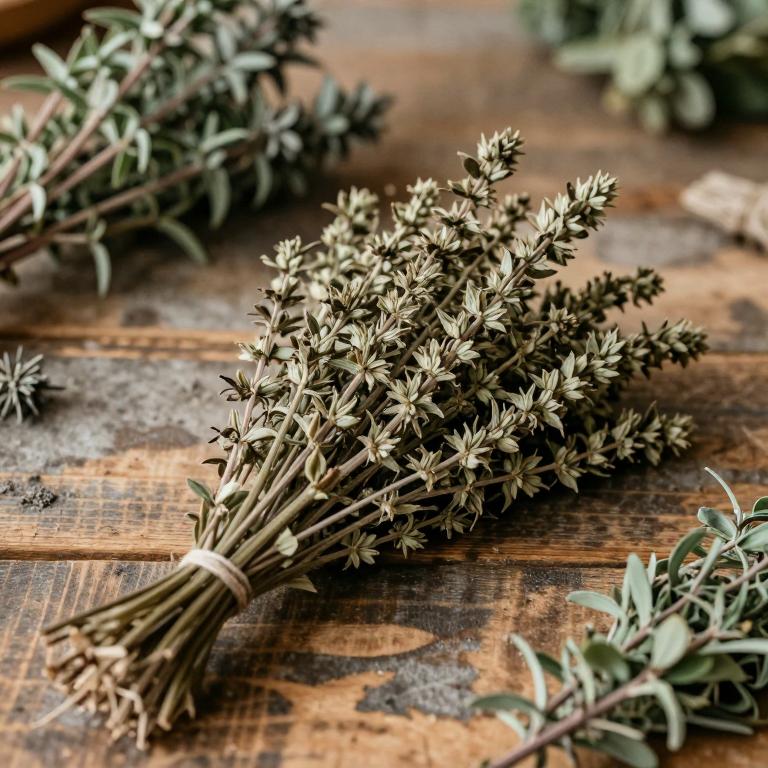
Stachys pilifera, scientifically known as Stachys pilifera, is a distinctive medicinal herb belonging to the Lamiaceae family. Renowned for its hairy foliage, this plant is utilized in traditional medicine to treat various ailments. Its bioactive compounds offer significant therapeutic potential, particularly in promoting healing and supporting overall wellness.
- Family
- Lamiaceae
- Native range
- Asia-Temperate
- Parts used
- Not available
- Common names
- Not available
- Scientific synonyms
- Not available
Names and Synonyms
Scientific Names
Accepted name
Stachys piliferaSources: Wikidata
Taxonomical Classification
This plant belongs to the kingdom Plantae and is classified under the phylum Streptophyta and the class Equisetopsida. Within the subclass Magnoliidae, it is categorized under the order Lamiales and the family Lamiaceae. Finally, it is identified by its genus, Stachys.
| Rank | Classification |
|---|---|
| Kingdom | Plantae |
| Phylum | Streptophyta |
| Class | Equisetopsida |
| Subclass | Magnoliidae |
| Order | Lamiales |
| Family | Lamiaceae |
| Genus | Stachys |
Sources: The World Checklist of Vascular Plants (WCVP)
Distribution
This plant exhibits a very specific and limited geographical distribution within the natural world. Its presence is primarily recorded within the region of Western Asia. Specifically, the species is native to the country of Iran. Because its known range is so narrow, it is considered a localized botanical specimen. This restricted habitat highlights the unique environmental requirements necessary for its growth.
| Region | Area |
|---|---|
| Western Asia | Iran |
Sources: The World Checklist of Vascular Plants (WCVP)
Botanical Identification
Life history
The life history of Stachys pilifera is characterized by its classification as a chamaephyte, a life form that defines its strategy for surviving seasonal environmental fluctuations. As a chamaephyte, the plant maintains its perennating buds very close to the soil surface, often just slightly above it, which allows it to withstand moderate temperature changes and herbivory while remaining poised for rapid regrowth. This specific growth habit ensures that the plant can navigate its ecological niche by protecting its vital regenerative structures near the ground level. By utilizing this chamaephyte life form, Stachys pilifera balances the need for structural stability with the ability to respond dynamically to its surrounding habitat.
- Life form :
- chamaephyte
Morphology
The morphology of Stachys pilifera is characterized by its growth habit as a self-supporting plant, functioning as a non-climbing species that maintains its own structural integrity without the need for external support. It is an independent organism, showing no parasitic tendencies toward other plants, and it thrives in a terrestrial habitat rather than existing as an epiphyte.
- Climber :
- self-supporting
- Epiphyte :
- terrestrial
- Parasite :
- independent
Sources: Global Inventory of Floras and Traits (GIFT)
Chemicals
Stachys pilifera has 13 reported phytochemicals identified across 0 scientific publications and several other databases. The most consistently reported chemicals include CARVACROL, THYMOL, Caryophyllene oxide, Flavonoid, Flavonoids.
| Chemical | Supporting sources | Consensus |
|---|---|---|
| CARVACROL | 2 supporting sources | ★☆☆☆☆ |
| THYMOL | 2 supporting sources | ★☆☆☆☆ |
| Caryophyllene oxide | 1 supporting sources | ★☆☆☆☆ |
| Flavonoid | 1 supporting sources | ★☆☆☆☆ |
| Flavonoids | 1 supporting sources | ★☆☆☆☆ |
| LIMONENE | 1 supporting sources | ★☆☆☆☆ |
| Monoterpenes | 1 supporting sources | ★☆☆☆☆ |
| Sesquiterpenes | 1 supporting sources | ★☆☆☆☆ |
| Spathulenol | 1 supporting sources | ★☆☆☆☆ |
| Terpenoids | 1 supporting sources | ★☆☆☆☆ |
CARVACROL
- Evidence-based complementary and alternative medicine : eCAM
- The Analyst
THYMOL
- Evidence-based complementary and alternative medicine : eCAM
- The Analyst
Caryophyllene oxide
- Natural product research
Flavonoid
- Research in pharmaceutical sciences
Flavonoids
- Evidence-based complementary and alternative medicine : eCAM
LIMONENE
- Natural product research
Monoterpenes
- Evidence-based complementary and alternative medicine : eCAM
Sesquiterpenes
- Evidence-based complementary and alternative medicine : eCAM
Spathulenol
- Natural product research
Terpenoids
- Evidence-based complementary and alternative medicine : eCAM
Activities
Stachys pilifera has 7 reported activities identified across 0 scientific publications and several other databases. The most consistently reported activities include Antioxidant, Antimicrobial, Anticancer, Antitumor, Cytotoxic.
| Activity | Supporting sources | Consensus |
|---|---|---|
| Antioxidant | 4 supporting sources | ★★☆☆☆ |
| Antimicrobial | 2 supporting sources | ★☆☆☆☆ |
| Anticancer | 1 supporting sources | ★☆☆☆☆ |
| Antitumor | 1 supporting sources | ★☆☆☆☆ |
| Cytotoxic | 1 supporting sources | ★☆☆☆☆ |
| Hepatoprotective | 1 supporting sources | ★☆☆☆☆ |
| Nephroprotective | 1 supporting sources | ★☆☆☆☆ |
Antioxidant
- Pharmaceutical biology
- Evidence-based complementary and alternative medicine : eCAM
- Research in pharmaceutical sciences
- Journal of toxicology
Antimicrobial
- Research in pharmaceutical sciences
- Evidence-based complementary and alternative medicine : eCAM
Anticancer
- Evidence-based complementary and alternative medicine : eCAM
Antitumor
- Pharmaceutical biology
Cytotoxic
- Pharmaceutical biology
Hepatoprotective
- Evidence-based complementary and alternative medicine : eCAM
Nephroprotective
- Evidence-based complementary and alternative medicine : eCAM
Conditions
Stachys pilifera has 12 reported investigations on conditions identified across 0 scientific publications and several other databases. The most consistently reported conditions include inflammation, infectious diseases, MCF-7 cells, acute renal failure, asthma.
| Condition | Supporting sources | Consensus |
|---|---|---|
| Inflammation | 3 supporting sources | ★★☆☆☆ |
| Infectious diseases | 2 supporting sources | ★☆☆☆☆ |
| Mcf-7 cells | 1 supporting sources | ★☆☆☆☆ |
| Acute renal failure | 1 supporting sources | ★☆☆☆☆ |
| Asthma | 1 supporting sources | ★☆☆☆☆ |
| Cholestasis | 1 supporting sources | ★☆☆☆☆ |
| Colon cancer | 1 supporting sources | ★☆☆☆☆ |
| Common cold | 1 supporting sources | ★☆☆☆☆ |
| Formalin test | 1 supporting sources | ★☆☆☆☆ |
| Infections | 1 supporting sources | ★☆☆☆☆ |
Inflammation
- Pharmaceutical biology
- Iranian Red Crescent medical journal
- Research in pharmaceutical sciences
Infectious diseases
- Pharmaceutical biology
- Iranian Red Crescent medical journal
Mcf-7 cells
- Pharmaceutical biology
Acute renal failure
- Journal of toxicology
Asthma
- Evidence-based complementary and alternative medicine : eCAM
Cholestasis
- Oxidative medicine and cellular longevity
Colon cancer
- Research in pharmaceutical sciences
Common cold
- Evidence-based complementary and alternative medicine : eCAM
Formalin test
- Iranian Red Crescent medical journal
Infections
- Evidence-based complementary and alternative medicine : eCAM
Preparations
Stachys pilifera has 9 reported preparations identified across 0 scientific publications and several other databases. The most consistently reported preparations include ethanolic extract, hydroalcoholic extract, Hydroalcoholic Extract, Stachys pilifera extract, essential oil.
| Preparation | Supporting sources | Consensus |
|---|---|---|
| Ethanolic extract | 2 supporting sources | ★☆☆☆☆ |
| Hydroalcoholic extract | 2 supporting sources | ★☆☆☆☆ |
| Hydroalcoholic extract | 1 supporting sources | ★☆☆☆☆ |
| Stachys pilifera extract | 1 supporting sources | ★☆☆☆☆ |
| Essential oil | 1 supporting sources | ★☆☆☆☆ |
| Ethanol extract | 1 supporting sources | ★☆☆☆☆ |
| Hydro-alcoholic extract from aerial parts of stachys pilifera (hesp) | 1 supporting sources | ★☆☆☆☆ |
| Methanolic extract | 1 supporting sources | ★☆☆☆☆ |
| Methanolic extracts | 1 supporting sources | ★☆☆☆☆ |
Ethanolic extract
- Journal of toxicology
- Research in pharmaceutical sciences
Hydroalcoholic extract
- Evidence-based complementary and alternative medicine : eCAM
- Research in pharmaceutical sciences
Hydroalcoholic extract
- Journal of toxicology
Stachys pilifera extract
- Pharmaceutical biology
Essential oil
- Natural product research
Ethanol extract
- Pharmaceutical biology
Hydro-alcoholic extract from aerial parts of stachys pilifera (hesp)
- Iranian Red Crescent medical journal
Methanolic extract
- Research in pharmaceutical sciences
Methanolic extracts
- The Analyst