Stachys multicaulis
Stachys multicaulis · Accepted scientific name
Scientific literature: Very Sparse (0 studies) · ★☆☆☆☆
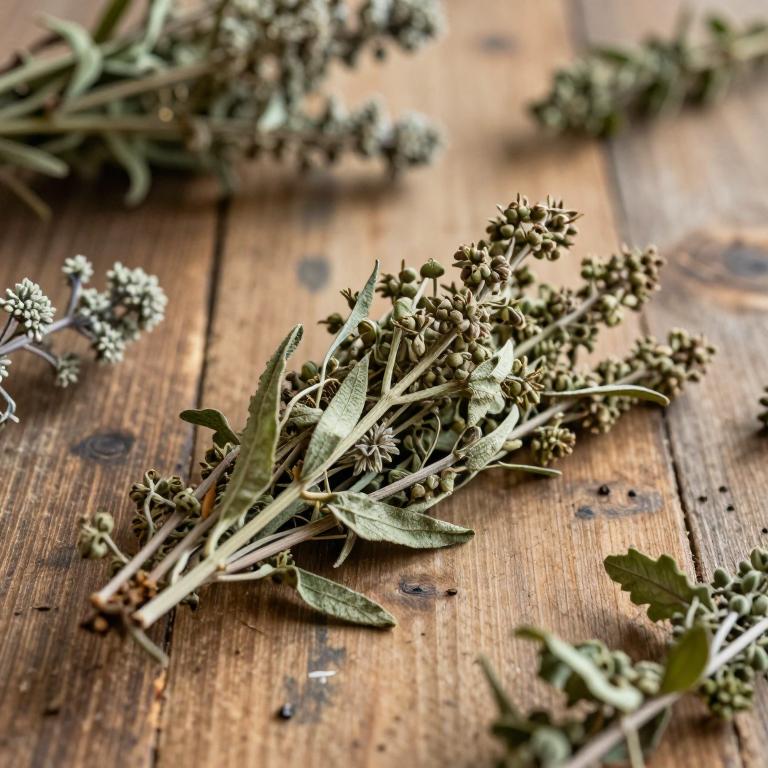
Stachys multicaulis is a fascinating herbaceous perennial known for its unique botanical characteristics. This plant belongs to the Lamiaceae family, which is frequently celebrated for its aromatic qualities. Interestingly, it contains specific chemical compounds such as bicyclogermacrene and thymol. These natural substances contribute to the plant's distinct biological profile and potential medicinal properties. Understanding these chemical constituents offers valuable insights into the ecological role of this species.
- Synonyms
- Not available
- Common names
- Not available
- Family
- Lamiaceae
- Distribution
- Europe
- Plant Parts
- Not available
Classification
Taxonomy
Stachys multicaulis is a remarkable organism belonging to the kingdom Plantae. Within this vast kingdom, it is classified under the class Equisetopsida. Its evolutionary lineage places it specifically in the order Lamiales. Further refinement shows that it is a member of the family Lamiaceae. Finally, this plant is identified by its specific genus, Stachys.
| Rank | Classification |
|---|---|
| Kingdom | Plantae |
| Phylum | Streptophyta |
| Class | Equisetopsida |
| Subclass | Magnoliidae |
| Order | Lamiales |
| Family | Lamiaceae |
| Genus | Stachys |
Sources: The World Checklist of Vascular Plants (WCVP)
Distribution
Geographic Regions
Stachys multicaulis is a notable plant species primarily distributed throughout the Asia-Temperate region. Its presence is particularly significant within the diverse landscapes of Western Asia. Within these territories, Iran serves as a key geographic area where the species can be found growing naturally. This specific distribution pattern highlights the plant's ability to adapt to the environmental conditions of these particular climates. Understanding its range provides essential insight into the botanical diversity of the Asian temperate zones.
Sources: The World Checklist of Vascular Plants (WCVP)
Identification
Morphology
Stachys multicaulis is a self-supporting plant that maintains its upright structure without the need for external assistance.
Sources: Global Inventory of Floras and Traits (GIFT)
Biological Activities
Compounds
Stachys multicaulis is an Iranian wild endemic medicinal plant known for its significant essential oil content. Research indicates that this species naturally contains key chemical compounds such as bicyclogermacrene and thymol. The concentration of these essential oil components is closely linked to the plant's physiological responses to its environment. Specifically, studies show that levels of thymol and bicyclogermacrene tend to decrease as soil moisture regimes diminish in lighter soil textures. Consequently, understanding these chemical relationships is vital for optimizing the cultivation of this medicinal species.
Conditions
Stachys multicaulis was cultivated under various environmental conditions to observe its morphophysiological responses. The study specifically examined the plant's reaction to different Soil Textures and Soil Moisture Regimes. To test these variables, the species was grown under controlled moisture levels of 100% Field Capacity, 70% FC, and 30% FC. These different levels of Field Capacity allowed researchers to monitor how moisture availability impacts the plant's essential oil components and physical traits. Ultimately, the cultivation process evaluated how these specific soil and moisture relationships affect the development of this medicinal species.