Stachys annua subsp. annua
Stachys annua subsp. annua · Accepted scientific name
Scientific literature: Very Sparse (0 studies) · ★☆☆☆☆
Stachys annua subsp. annua is a botanical species that has garnered significant scientific interest due to its diverse phytochemical profile. Recent research has focused on evaluating its potential efficacy against various microbial threats, specifically the fungal pathogen Aspergillus flavus. To harness these biological properties, scientists often utilize specialized preparations such as essential oils extracted from the plant. These concentrated oils are studied for their ability to inhibit fungal growth and disrupt metabolic processes. Understanding this relationship provides valuable insights into developing natural antimicrobial agents from this specific subspecies.
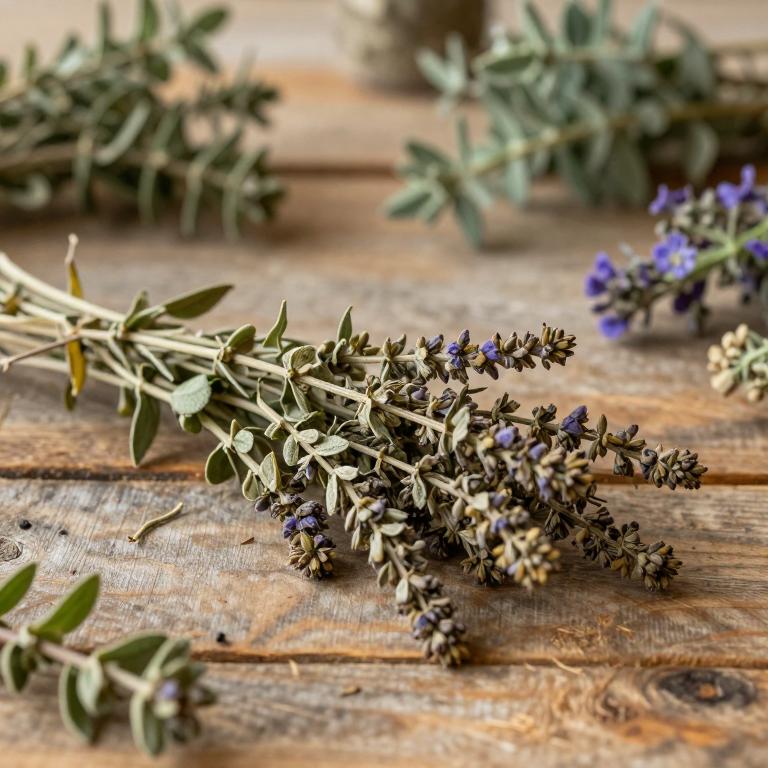
- Synonyms
- Olisia Delphinensis · Stachys Nervosa · 10 more
- Common names
- Not available
- Family
- Lamiaceae
- Distribution
- Not available
- Plant Parts
- Not available
Classification
Common Names
Stachys annua subsp. annua is a versatile plant known by a variety of distinct names across different linguistic landscapes. In English-speaking regions, it is commonly referred to as the Annual Yellow-woundwort, while German speakers call it Einjähriger Ziest. The plant also carries the name Hacıosmanotu in certain cultural contexts, showcasing its widespread geographical presence. In Italian, it is identified as Stregona annuale, reflecting its specific regional classification. Finally, the species is recognized in other areas by the name کسیترن, illustrating the rich diversity of its global nomenclature.
Sources: Catalogue of Life (COL)
Synonyms
Stachys annua subsp. annua is a botanical subject characterized by a complex web of taxonomic synonyms. This particular subspecies has been historically identified under various names, including the designation Betonica annua var. glabra. Scientific records also link it to the name Olisia delphinensis, reflecting different perspectives in its classification history. Furthermore, the plant is associated with the synonym Stachys adenocalyx in certain botanical contexts. Finally, its lineage encompasses specific varieties such as Stachys annua var. lycaonica and Stachys annua var. maxima.
Sources: The World Checklist of Vascular Plants (WCVP)
Taxonomy
Stachys annua subsp. annua is a remarkable botanical specimen belonging to the kingdom Plantae. Within this vast biological realm, it is specifically classified under the class Equisetopsida. As a member of the order Lamiales, it shares structural traits with many other significant flowering plants. It further belongs to the diverse family Lamiaceae, a group known for its distinct characteristics. Ultimately, this plant is identified by its specific genus, Stachys, which defines its unique place in the natural world.
| Rank | Classification |
|---|---|
| Kingdom | Plantae |
| Phylum | Streptophyta |
| Class | Equisetopsida |
| Subclass | Magnoliidae |
| Order | Lamiales |
| Family | Lamiaceae |
| Genus | Stachys |
Sources: The World Checklist of Vascular Plants (WCVP)
Distribution
Geographic Regions
Stachys annua subsp. annua maintains a widespread presence across several key regions within the Asia-Temperate zone. Its distribution extends through the Caucasus and Transcaucasus, marking a significant foothold in those mountainous areas. Moving eastward, the subspecies can be found throughout the Russian Far East, specifically within the Amur and Primorye territories. The plant also thrives in the Siberian landscape, particularly across the Altay region. Together, these diverse locations highlight the resilient and expansive natural range of this specific subspecies.
Sources: The World Checklist of Vascular Plants (WCVP)
Identification
Biological Activities
Compounds
Conditions
Stachys annua subsp. annua demonstrates significant medicinal potential through its ability to treat specific fungal pathogens. The essential oils derived from this plant exhibit strong antifungal activities against Alternaria alternata. Furthermore, the plant serves as an effective treatment for Aspergillus flavus. Research also indicates that it is capable of combating Fusarium oxysporum. These specific interactions highlight the plant's efficacy in managing diverse fungal threats.
Preparations
Stachys annua subsp. annua is prepared as essential oils to explore its potential medicinal applications. These oils are specifically studied for their chemical composition and bioactive properties. Through the extraction process, the plant's components are isolated for detailed analysis using GC/MS techniques. Such preparation allows researchers to evaluate the substance for its specific antifungal activities against various pathogens. Ultimately, processing the plant into essential oils provides a pathway for developing natural antimicrobial treatments.