Stachys affinis
Stachys affinis · Accepted scientific name
Scientific literature: Very Sparse (16 studies) · ★☆☆☆☆
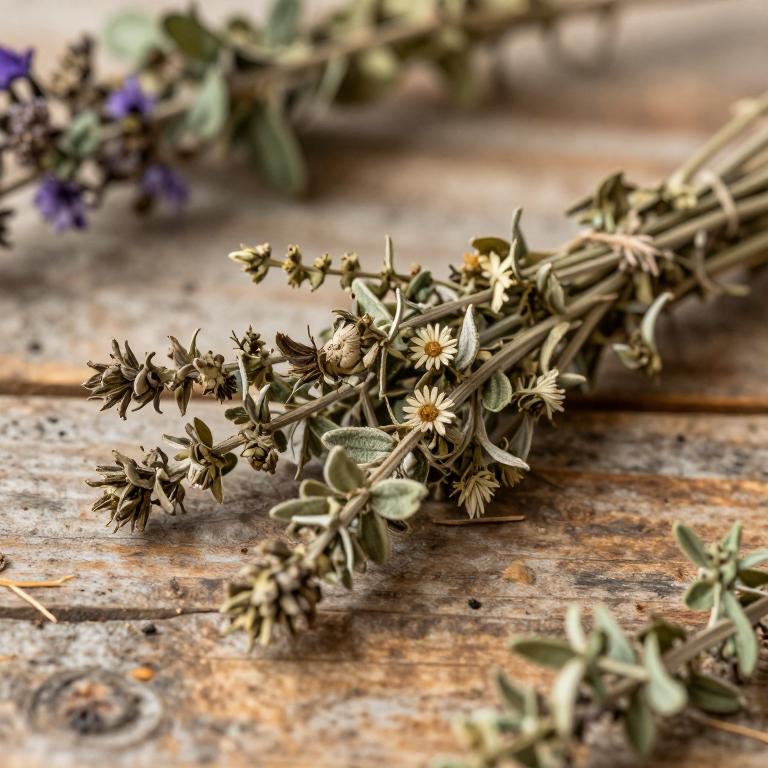
Stachy, scientifically known as Staechys affinis, is a perennial herb valued for its traditional medicinal properties. Often found in various ecosystems, this plant is recognized for its bioactive compounds. It is frequently utilized in folk medicine to address inflammatory conditions, supporting holistic wellness through its unique botanical characteristics and potency.
- Family
- Not available
- Native range
- Europe
- Parts used
- Not available
- Common names
- Not available
- Scientific synonyms
- Not available
Names and Synonyms
Scientific Names
Accepted name
Stachys affinisDistribution
This plant exhibits a wide geographical distribution spanning across both Europe and Asia. In Middle Europe, it can be found growing within the territories of Germany and the region covering Czechia and Slovakia. Its range extends significantly into China, where it is documented in the Qinghai province. Furthermore, the species is present in the North-Central regions of China. Finally, its distribution reaches into the Inner Mongolia area of China.
| Region | Area |
|---|---|
| Middle Europe | Czechia-Slovakia |
| Middle Europe | Germany |
| China | Inner Mongolia |
| China | China North-Central |
| China | Qinghai |
| China | Xinjiang |
| Indo-China | Myanmar |
Sources: The World Checklist of Vascular Plants (WCVP)
Chemicals
Stachys affinis has 3 reported phytochemicals identified across 0 scientific publications and several other databases. The most consistently reported chemicals include Acteoside, Harpagide, tryptophan.
| Chemical | Supporting sources | Consensus |
|---|---|---|
| Acteoside | 3 supporting sources | ★★☆☆☆ |
| Harpagide | 1 supporting sources | ★☆☆☆☆ |
| tryptophan | 1 supporting sources | ★☆☆☆☆ |
Acteoside
- Dr. Duke
- Japanese journal of pharmacology
- Preparative biochemistry & biotechnology
Harpagide
- Preparative biochemistry & biotechnology
tryptophan
- Preparative biochemistry & biotechnology
Activities
Stachys affinis has 8 reported activities identified across 0 scientific publications and several other databases. The most consistently reported activities include Antinephritic, Aldose-Reductase-Inhibitor, Antibacterial, Antileukemic, Antinociceptive.
| Activity | Supporting sources | Consensus |
|---|---|---|
| Antinephritic | 2 supporting sources | ★☆☆☆☆ |
| Aldose-Reductase-Inhibitor | 1 supporting sources | ★☆☆☆☆ |
| Antibacterial | 1 supporting sources | ★☆☆☆☆ |
| Antileukemic | 1 supporting sources | ★☆☆☆☆ |
| Antinociceptive | 1 supporting sources | ★☆☆☆☆ |
| Antistaphylococcic | 1 supporting sources | ★☆☆☆☆ |
| Cytotoxic | 1 supporting sources | ★☆☆☆☆ |
| Lipoxygenase-Inhibitor | 1 supporting sources | ★☆☆☆☆ |
Antinephritic
- Dr. Duke
- Japanese journal of pharmacology
Aldose-Reductase-Inhibitor
- Dr. Duke
Antibacterial
- Dr. Duke
Antileukemic
- Dr. Duke
Antinociceptive
- Dr. Duke
Antistaphylococcic
- Dr. Duke
Cytotoxic
- Dr. Duke
Lipoxygenase-Inhibitor
- Dr. Duke
Conditions
Stachys affinis has 2 reported investigations on conditions identified across 0 scientific publications and several other databases. The most consistently reported conditions include Alfalfa mosaic virus, inflammation.
| Condition | Supporting sources | Consensus |
|---|---|---|
| Alfalfa mosaic virus | 1 supporting sources | ★☆☆☆☆ |
| Inflammation | 1 supporting sources | ★☆☆☆☆ |
Alfalfa mosaic virus
- The plant pathology journal
Inflammation
- Scientific reports