Spiraea alba
Spiraea alba · Accepted scientific name
Scientific literature: Very Sparse (0 studies) · ★☆☆☆☆
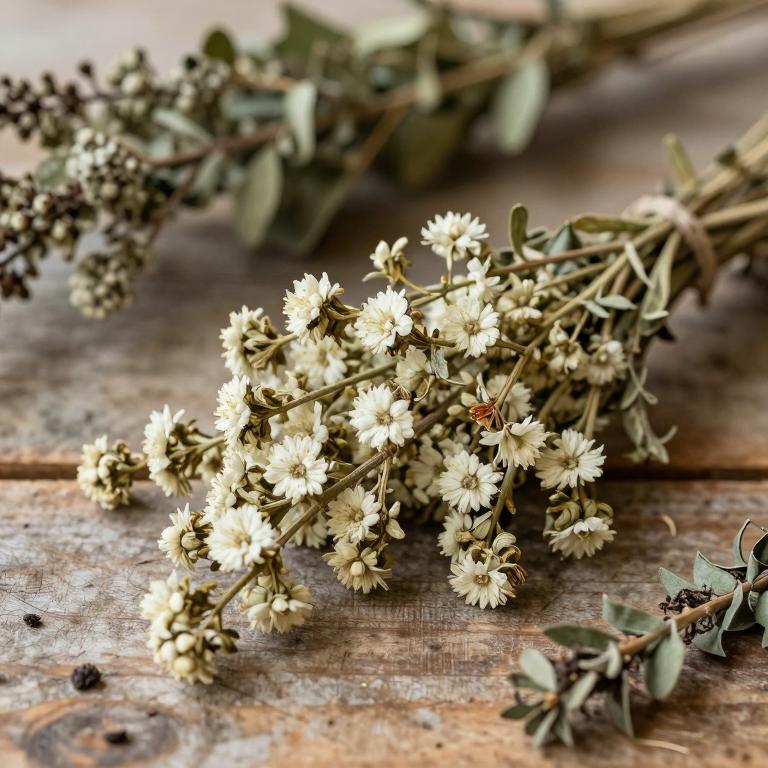
Spiraea alba, commonly known as meadowsweet, is a versatile perennial shrub celebrated for its delicate clusters of white flowers. Beyond its aesthetic appeal in garden landscapes, this plant has long been recognized in traditional herbalism for its medicinal properties. It is frequently utilized in natural remedies to address various symptoms associated with upper respiratory tract infections. The plant contains natural compounds that may help soothe irritated membranes and reduce discomfort in the throat and lungs. Understanding its historical applications provides insight into how this botanical species supports respiratory wellness.
- Synonyms
- Not available
- Common names
- Not available
- Family
- Rosaceae
- Distribution
- Not available
- Plant Parts
- Not available
Classification
Common Names
Spiraea alba is a versatile shrub recognized by a diverse array of regional and linguistic names. In English-speaking regions, it is frequently referred to as Pale Bridewort, a name that highlights its delicate flowering characteristics. This plant also carries the French designation Spiree blanche and the German moniker Weißer Spierstrauch. Moving into different cultural contexts, it is known as Erwain Gwyn in certain traditions. Finally, it is identified as Hvid spiræa, showcasing the global variety of names used to describe this single species.
Sources: Catalogue of Life (COL)
Taxonomy
Spiraea alba is a distinctive member of the kingdom Plantae. Within this vast kingdom, the plant is classified under the class Equisetopsida. It belongs to the order Rosales, which helps define its evolutionary lineage. Further narrowing its identity, the species is situated within the family Rosaceae. Finally, it is categorized under the specific genus Spiraea.
| Rank | Classification |
|---|---|
| Kingdom | Plantae |
| Phylum | Streptophyta |
| Class | Equisetopsida |
| Subclass | Magnoliidae |
| Order | Rosales |
| Family | Rosaceae |
| Genus | Spiraea |
Sources: The World Checklist of Vascular Plants (WCVP)
Distribution
Geographic Regions
Spiraea alba is widely distributed across the diverse landscapes of Europe. Its presence stretches from the Baltic States in Eastern Europe to the lush greenery of Great Britain in the north. Within Middle Europe, this plant is commonly found throughout Germany, Poland, and Belgium. This broad geographic range highlights the species' ability to adapt to various regional climates. Consequently, it remains a common sight across much of the European continent.
Sources: The World Checklist of Vascular Plants (WCVP)
Identification
Morphology
Spiraea alba is a self-supporting shrub that adds structure to various landscapes. This hardy plant typically reaches a maximum height of 2 meters as it matures. Depending on its environment, the growth can vary significantly, starting from a minimum of only 0.5 meters. For many established specimens, a height of at least 0.91 meters is commonly observed. Overall, its versatile growth form makes it a flexible addition to many gardens.
Sources: Global Inventory of Floras and Traits (GIFT)
Biological Activities
Compounds
Conditions
Spiraea alba is utilized for its ability to treat feverishness. This plant also serves as a remedy for upper respiratory tract infections. By addressing these conditions, it provides relief for specific physiological symptoms. Its therapeutic properties make it useful for managing both fever and respiratory issues. These dual functions define its primary medicinal relationships.