Sphenocentrum jollyanum
Sphenocentrum jollyanum · Accepted scientific name
Scientific literature: Very Sparse (24 studies) · ★☆☆☆☆
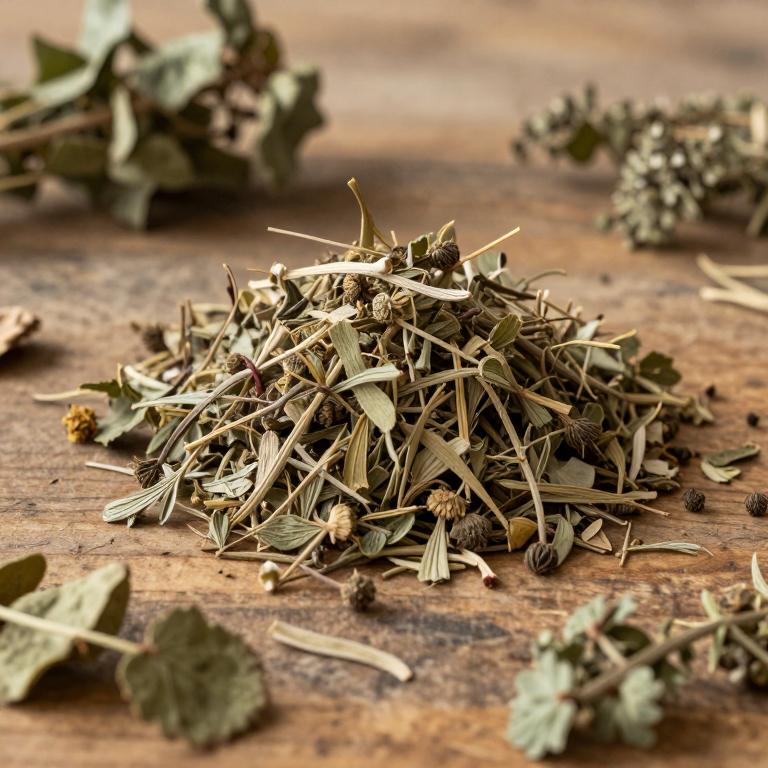
Sphenocentrum jollyanum, scientifically known as Sphenocentrum jollyanum, is a remarkable medicinal plant valued for its diverse therapeutic properties. Renowned in traditional medicine, it contains bioactive compounds used to treat various ailments. Understanding its botanical characteristics and healing potential offers vital insights into natural pharmacology and holistic wellness practices.
- Family
- Menispermaceae
- Native range
- Africa
- Parts used
- Leaf · Seed
- Common names
- Not available
- Scientific synonyms
- Not available
Names and Synonyms
Scientific Names
Accepted name
Sphenocentrum jollyanumSources: Wikidata, Catalogue of Life
Taxonomical Classification
This plant, Sphenocentrum jollyanum, belongs to the kingdom Plantae and is classified under the phylum Streptophyta. Within the class Equisetopsida and subclass Magnoliidae, it falls under the order Ranunculales and the family Menispermaceae. Finally, its specific taxonomic identity is established within the genus Sphenocentrum.
| Rank | Classification |
|---|---|
| Kingdom | Plantae |
| Phylum | Streptophyta |
| Class | Equisetopsida |
| Subclass | Magnoliidae |
| Order | Ranunculales |
| Family | Menispermaceae |
| Genus | Sphenocentrum |
Sources: The World Checklist of Vascular Plants (WCVP)
Distribution
This plant exhibits a specific distribution pattern across the tropical regions of the African continent. Within West Tropical Africa, it can be found growing in the countries of Benin and Ivory Coast. Its range also extends into Nigeria, another key location in the West Tropical zone. Furthermore, the species is documented in West-Central Tropical Africa, specifically within Cameroon. Collectively, these locations highlight its presence across several interconnected tropical forest ecosystems.
| Region | Area |
|---|---|
| West Tropical Africa | Benin |
| West Tropical Africa | Ivory Coast |
| West Tropical Africa | Nigeria |
| West-Central Tropical Africa | Cameroon |
Sources: The World Checklist of Vascular Plants (WCVP)
Botanical Identification
Life history
The life history of Sphenocentrum jollyanum is characterized by a perennial lifecycle, allowing the plant to persist through multiple growing seasons. Its structural growth strategy is multifaceted, manifesting as both a phanerophyte, where its shoots are elevated well above the ground level, and a nanophanerophyte, indicating a compact growth form with relatively short woody stems. Furthermore, the plant maintains an evergreen deciduousness, ensuring that its foliage remains functional and present throughout the year without the seasonal loss of leaves.
- Deciduousness :
- evergreen
- Life form :
- nanophanerophyte
- Life form :
- phanerophyte
- Lifecycle :
- perennial
Morphology
The morphology of Sphenocentrum jollyanum is characterized by a woody growth form, specifically classified as a shrub. This plant typically maintains a terrestrial habit rather than an epiphytic one. In terms of physical dimensions, it exhibits a relatively compact stature with a mean plant height of approximately 1.5 m, although recorded maximum heights can reach around 1.219214826 m. Although it possesses characteristics of certain climbing structures, it is categorized as a self-supporting species.
- Climber :
- self-supporting
- Epiphyte :
- terrestrial
- Growth form :
- shrub
- Plant height max:
- 1.219214826 m
- Plant height mean:
- 1.5 m
- Woodiness :
- woody
Physiology
The physiology of Sphenocentrum jollyanum is characterized by metabolic processes that prioritize structural stability and specialized chemical synthesis within its tissues. Regarding its nutrient acquisition strategies, the plant does not function as a nitrogen fixer, meaning it lacks the symbiotic relationship with nitrogen-fixing bacteria, such as Rhizobium, required to convert atmospheric nitrogen into bioavailable forms. Instead, its physiological nitrogen requirements are met through the uptake of nitrates and ammonium ions from the soil via its root system. This absence of nitrogen-fixing capability indicates a reliance on soil organic matter and mineral availability to sustain its enzymatic functions and protein synthesis. Furthermore, its physiological activity is governed by standard photosynthetic pathways that drive the production of carbohydrates, which serve as the primary energy source for cellular respiration and the maintenance of its specialized secondary metabolites.
- Nitrogen fixer :
- no
Reproduction
The reproduction of Sphenocentrum jollyanum is characterized by a complex biotic pollination syndrome, relying on living organisms rather than abiotic factors to facilitate the transfer of pollen. This reproductive strategy is primarily driven by insect pollination, which plays a central role in the plant's life cycle. Furthermore, the pollination mechanism involves interactions with ants, suggesting a specialized ecological relationship that contributes to the successful fertilization and genetic diversity of the species.
- Pollination syndrome :
- insect
- Pollination syndrome :
- ant
- Pollination syndrome :
- biotic
Sources: Global Inventory of Floras and Traits (GIFT)
Plant Parts
Sphenocentrum jollyanum has 3 reported plant parts identified across 4 scientific publications and several other databases that are studied for medicinal purposes. The most consistently reported plant part include leaf, seed, stem.
| Plant part | Supporting sources | Consensus |
|---|---|---|
| Leaf | 2 supporting sources | ★☆☆☆☆ |
| Seed | 1 supporting sources | ★☆☆☆☆ |
| Stem | 1 supporting sources | ★☆☆☆☆ |
Leaf
- Journal of the American College of Nutrition
- Journal of ethnopharmacology
Seed
- Steroids
Stem
- Journal of ethnopharmacology
Chemicals
Sphenocentrum jollyanum has 5 reported phytochemicals identified across 4 scientific publications and several other databases. The most consistently reported chemicals include CATECHIN, Flavonoids, Lunamarine, Saponins, kaempferol.
| Chemical | Supporting sources | Consensus |
|---|---|---|
| CATECHIN | 1 supporting sources | ★☆☆☆☆ |
| Flavonoids | 1 supporting sources | ★☆☆☆☆ |
| Lunamarine | 1 supporting sources | ★☆☆☆☆ |
| Saponins | 1 supporting sources | ★☆☆☆☆ |
| kaempferol | 1 supporting sources | ★☆☆☆☆ |
CATECHIN
- Journal of the American College of Nutrition
Flavonoids
- Medicines (Basel, Switzerland)
Lunamarine
- Journal of the American College of Nutrition
Saponins
- Medicines (Basel, Switzerland)
kaempferol
- Journal of the American College of Nutrition
Activities
Sphenocentrum jollyanum has 3 reported activities identified across 4 scientific publications and several other databases. The most consistently reported activities include Angiogenic, Anxiogenic, Aphrodisiac.
| Activity | Supporting sources | Consensus |
|---|---|---|
| Angiogenic | 1 supporting sources | ★☆☆☆☆ |
| Anxiogenic | 1 supporting sources | ★☆☆☆☆ |
| Aphrodisiac | 1 supporting sources | ★☆☆☆☆ |
Angiogenic
- Medicines (Basel, Switzerland)
Anxiogenic
- Medicines (Basel, Switzerland)
Aphrodisiac
- Medicines (Basel, Switzerland)
Conditions
Sphenocentrum jollyanum has 12 reported investigations on conditions identified across 4 scientific publications and several other databases. The most consistently reported conditions include breast tumor, constipation, coughs, diabetes mellitus, erectile dysfunction.
| Condition | Supporting sources | Consensus |
|---|---|---|
| Breast tumor | 1 supporting sources | ★☆☆☆☆ |
| Constipation | 1 supporting sources | ★☆☆☆☆ |
| Coughs | 1 supporting sources | ★☆☆☆☆ |
| Diabetes mellitus | 1 supporting sources | ★☆☆☆☆ |
| Erectile dysfunction | 1 supporting sources | ★☆☆☆☆ |
| Fever | 1 supporting sources | ★☆☆☆☆ |
| Gastrointestinal disorders | 1 supporting sources | ★☆☆☆☆ |
| High blood pressure | 1 supporting sources | ★☆☆☆☆ |
| Malaria | 1 supporting sources | ★☆☆☆☆ |
| Oxidative stress | 1 supporting sources | ★☆☆☆☆ |
Breast tumor
- Medicines (Basel, Switzerland)
Constipation
- Medicines (Basel, Switzerland)
Coughs
- Medicines (Basel, Switzerland)
Diabetes mellitus
- Journal of ethnopharmacology
Erectile dysfunction
- Journal of ethnopharmacology
Fever
- Medicines (Basel, Switzerland)
Gastrointestinal disorders
- Journal of ethnopharmacology
High blood pressure
- Medicines (Basel, Switzerland)
Malaria
- Journal of ethnopharmacology
Oxidative stress
- Journal of the American College of Nutrition
Preparations
Sphenocentrum jollyanum has 1 reported preparations identified across 4 scientific publications and several other databases. The most consistently reported preparations include Sphenocentrum jollyanum whole stem extract.
| Preparation | Supporting sources | Consensus |
|---|---|---|
| Sphenocentrum jollyanum whole stem extract | 1 supporting sources | ★☆☆☆☆ |
Sphenocentrum jollyanum whole stem extract
- Journal of ethnopharmacology