Spermacoce exilis
Spermacoce exilis · Accepted scientific name
Scientific literature: Very Sparse (0 studies) · ★☆☆☆☆
Spermacoce exilis is a botanical species that has garnered scientific interest due to its unique chemical profile. Researchers frequently utilize methanol extracts to isolate the potent bioactive compounds contained within its tissues. These specific preparations allow for a concentrated analysis of the plant's potential pharmacological properties. Studying such extracts provides essential insights into the secondary metabolites present in the species. Consequently, understanding the composition of these methanol-based solutions is vital for future medicinal applications.
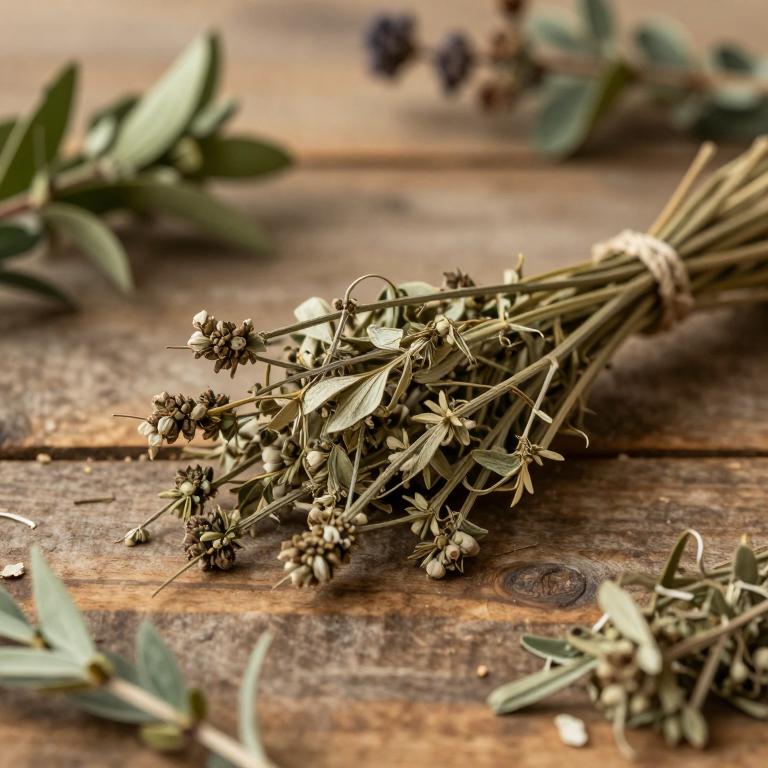
- Synonyms
- Borreria Repens · Spermacoce Mauritiana · 1 more
- Common names
- Not available
- Family
- Rubiaceae
- Distribution
- Southern America
- Plant Parts
- Not available
Classification
Synonyms
Spermacoce exilis is a plant species known for its complex taxonomic history and various botanical synonyms. Within scientific literature, it is frequently identified by the synonym Borreria exilis. Researchers also encounter this plant under the name Borreria repens, reflecting different classification perspectives. Furthermore, the species is closely associated with the synonym Spermacoce mauritiana in several botanical databases. Understanding these overlapping names is essential for accurate identification and study within the field of botany.
Sources: The World Checklist of Vascular Plants (WCVP)
Taxonomy
Spermacoce exilis is a fascinating botanical specimen that belongs to the kingdom Plantae. Within this vast kingdom, it is classified under the class Equisetopsida. This plant is further organized into the order Gentianales, showcasing its unique evolutionary lineage. It specifically falls under the genus Spermacoce, which defines its structural characteristics. Finally, it is a distinguished member of the family Rubiaceae, linking it to a diverse group of related flowering plants.
| Rank | Classification |
|---|---|
| Kingdom | Plantae |
| Phylum | Streptophyta |
| Class | Equisetopsida |
| Subclass | Magnoliidae |
| Order | Gentianales |
| Family | Rubiaceae |
| Genus | Spermacoce |
Sources: The World Checklist of Vascular Plants (WCVP)
Distribution
Geographic Regions
Spermacoce exilis is a plant species with a diverse distribution spanning several regions across the African continent. In East Tropical Africa, it can be found growing within the territories of both Tanzania and Uganda. Its presence also extends into Northeast Tropical Africa, specifically within the borders of Ethiopia. Moving toward the southern reaches of the continent, the species is established in South Tropical Africa. This widespread range is further confirmed by its documented existence in both Malawi and Zambia.
Sources: The World Checklist of Vascular Plants (WCVP)
Identification
Morphology
Spermacoce exilis is a self-supporting herb that maintains a relatively modest presence in its natural habitat. This plant exhibits a flexible growth habit, with individual specimens reaching a maximum height of only 0.4 m. Conversely, some members of the species may remain quite small, measuring as little as 0.03 m tall. This variation in stature highlights the adaptable nature of its herbaceous form.
Sources: Global Inventory of Floras and Traits (GIFT)
Biological Activities
Compounds
Conditions
Spermacoce exilis was found to inhibit nitric oxide production during the Griess assay conducted on RAW 264.7 cells. However, this specific inhibitory effect was not a direct pharmacological action like that seen in other medicinal plants. Instead, the reduction in nitric oxide levels resulted from the cytotoxic effects the extract had on the cells during culture. While other species demonstrated strong inhibitory activity, the results for this plant were tied to its impact on cell viability. Therefore, the relationship between Spermacoce exilis and nitric oxide inhibition is characterized by cellular toxicity rather than pure medicinal suppression.
Preparations
Spermacoce exilis is prepared as methanol extracts to facilitate scientific evaluation of its medicinal properties. These specific extracts were screened for their potential antioxidant and nitric oxide inhibitory activities. During the testing process, the methanol extracts of this plant demonstrated moderate antioxidant activity. Furthermore, the extracts were found to inhibit nitric oxide production within cell cultures. However, this inhibition was attributed to the cytotoxic effects the methanol extracts had on the cells during the study.