Spatholobus
Spatholobus · Accepted scientific name
Scientific literature: Very Sparse (5 studies) · ★☆☆☆☆
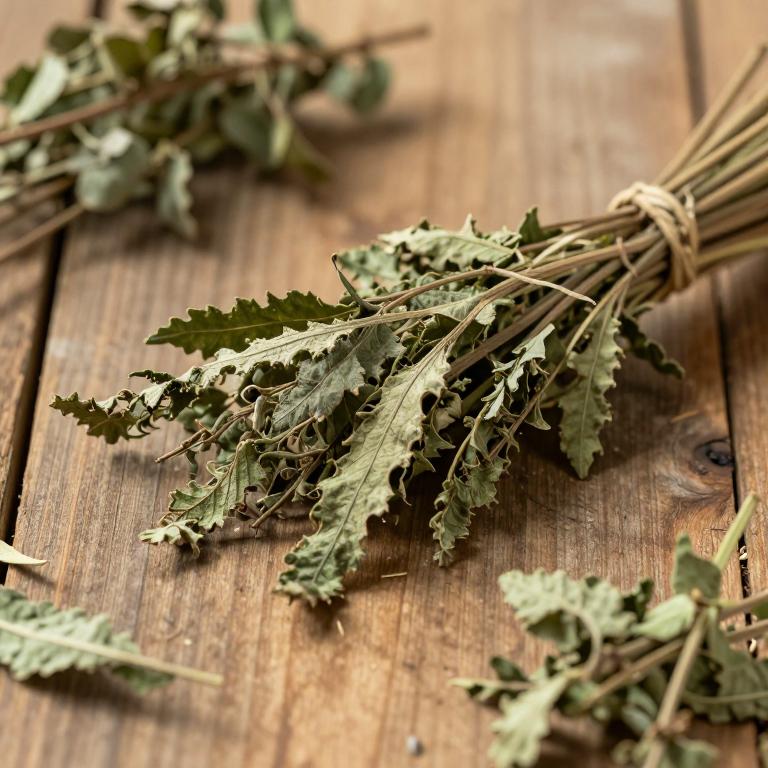
, scientifically known as Spatholobus, is a versatile medicinal plant primarily utilized in traditional healing practices. Renowned for its diverse bioactive compounds, this genus offers significant therapeutic potential. Researchers are increasingly exploring its pharmacological properties, particularly for its antioxidant and anti-inflammatory effects, to develop new natural health treatments.
- Family
- Fabaceae
- Native range
- Asia-Temperate
- Parts used
- Not available
- Common names
- Not available
- Scientific synonyms
- Drebbelia
Names and Synonyms
Scientific Names
Accepted name
SpatholobusSynonyms
- Drebbelia
Sources: Wikidata, Catalogue of Life
Taxonomical Classification
This plant belongs to the kingdom Plantae and the phylum Streptophyta, falling under the class Equisetopsida and subclass Magnoliidae. Within the order Fabales, it is classified under the family Fabaceae. Its specific taxonomic designation is the genus Spatholobus.
| Rank | Classification |
|---|---|
| Kingdom | Plantae |
| Phylum | Streptophyta |
| Class | Equisetopsida |
| Subclass | Magnoliidae |
| Order | Fabales |
| Family | Fabaceae |
| Genus | Spatholobus |
Sources: The World Checklist of Vascular Plants (WCVP)
Distribution
This plant exhibits a diverse geographical range spread across several key regions in Asia. In China, it can be found throughout the South-Central, Southeast, and Hainan territories. Its distribution extends into the Indian Subcontinent, where it is documented in the state of Assam. Furthermore, the species is also native to the landscapes of Bangladesh. These specific locations highlight the plant's preference for the subtropical climates found in these areas.
| Region | Area |
|---|---|
| China | China South-Central |
| China | Hainan |
| China | China Southeast |
| Indian Subcontinent | Assam |
| Indian Subcontinent | Bangladesh |
| Indian Subcontinent | East Himalaya |
| Indian Subcontinent | India |
| Indian Subcontinent | Nepal |
| Indian Subcontinent | Sri Lanka |
| Indian Subcontinent | West Himalaya |
Sources: The World Checklist of Vascular Plants (WCVP)
Chemicals
Spatholobus has 1 reported phytochemicals identified across 0 scientific publications and several other databases. The most consistently reported chemicals include Flavonoids.
| Chemical | Supporting sources | Consensus |
|---|---|---|
| Flavonoids | 1 supporting sources | ★☆☆☆☆ |
Flavonoids
- Food & function
Conditions
Spatholobus has 4 reported investigations on conditions identified across 0 scientific publications and several other databases. The most consistently reported conditions include anemia, arthralgia, menstrual pain, paralysis.
| Condition | Supporting sources | Consensus |
|---|---|---|
| Anemia | 1 supporting sources | ★☆☆☆☆ |
| Arthralgia | 1 supporting sources | ★☆☆☆☆ |
| Menstrual pain | 1 supporting sources | ★☆☆☆☆ |
| Paralysis | 1 supporting sources | ★☆☆☆☆ |
Anemia
- Food & function
Arthralgia
- Food & function
Menstrual pain
- Food & function
Paralysis
- Food & function