Sorghum bicolor subsp. bicolor
Sorghum bicolor subsp. bicolor · Accepted scientific name
Scientific literature: Very Sparse (0 studies) · ★☆☆☆☆
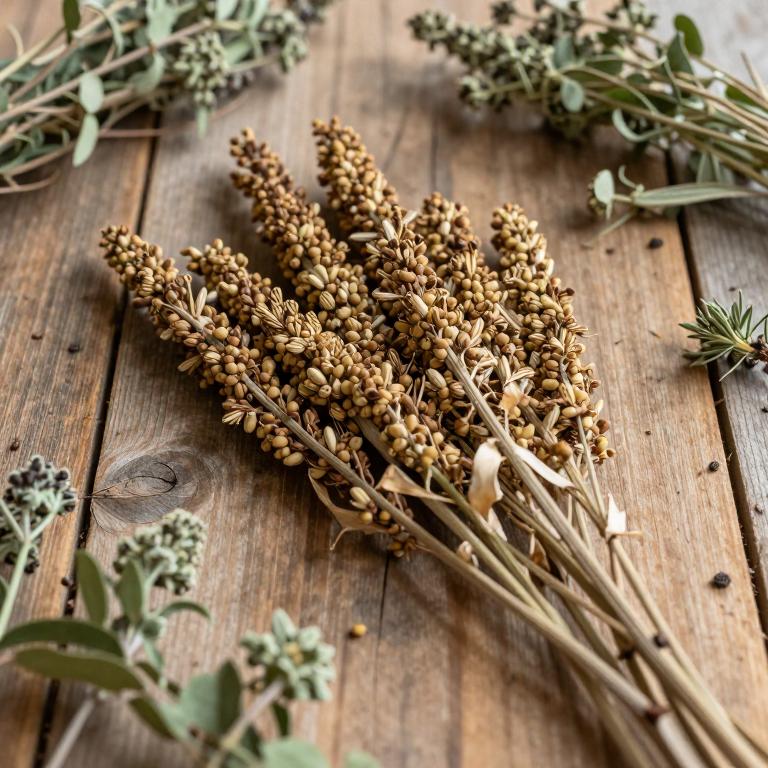
Sorghum bicolor subsp. bicolor is a resilient cereal grain widely cultivated across various tropical and subtropical regions of the world. While primarily valued for its nutritional density and drought tolerance, this plant has also become a subject of interest in diverse scientific fields. Emerging research explores how certain biochemical properties within the sorghum family might interact with complex biological environments. Interestingly, some studies investigate the broader implications of plant-based compounds in relation to global health challenges, including the management of conditions like malaria. Understanding these multifaceted connections helps scientists unlock the potential of sorghum for both food security and medical advancement.
- Synonyms
- Andropogon Subglabrescens · Andropogon Usorum · 308 more
- Common names
- Not available
- Family
- Poaceae
- Distribution
- Not available
- Plant Parts
- Not available
Classification
Common Names
Sorghum bicolor subsp. bicolor is a versatile plant recognized by a wide array of regional and traditional names. It is frequently referred to as Broom-corn or Escoba maicera, highlighting its historical utility in making cleaning tools. Depending on the local dialect, it may also be known as Basem-welshkorn or Grote sorgo. Some communities even identify this specific subspecies as Dvispalvis sorgas. These diverse common names reflect the plant's widespread presence and various cultural roles across different parts of the world.
Sources: Catalogue of Life (COL)
Synonyms
Sorghum bicolor subsp. bicolor is a botanically complex species that has been identified by various historical names. Throughout taxonomic history, it has been associated with several synonyms, including Agrostis nigricans. Researchers have also frequently categorized this plant under the name Andropogon besseri. Additionally, the species has been linked to Andropogon compactus and Andropogon niger in different scientific contexts. Finally, the synonym Andropogon rubens further illustrates the diverse nomenclature used to describe this particular subspecies.
Sources: The World Checklist of Vascular Plants (WCVP)
Taxonomy
Sorghum bicolor subsp. bicolor belongs to the vast kingdom Plantae, encompassing a diverse array of living botanical life. Within this kingdom, it is classified under the class Equisetopsida and falls into the specific order Poales. As a member of the Poaceae family, it shares close evolutionary ties with many of the world's most important grasses. This particular subspecies is categorized under the genus Sorghum, highlighting its unique botanical identity. Understanding these taxonomic relationships provides essential insight into the biological framework of this versatile plant.
| Rank | Classification |
|---|---|
| Kingdom | Plantae |
| Phylum | Streptophyta |
| Class | Equisetopsida |
| Subclass | Magnoliidae |
| Order | Poales |
| Family | Poaceae |
| Genus | Sorghum |
Sources: The World Checklist of Vascular Plants (WCVP)
Distribution
Geographic Regions
Sorghum bicolor subsp. bicolor maintains a broad and diverse geographic presence across the African continent. This subspecies is notably found throughout East Tropical Africa, with a significant presence in Tanzania. Its range also extends into Northeast Tropical Africa, specifically reaching into the nation of Chad. Beyond the mainland, the plant is distributed across the Macaronesia region, including the Canary Islands, Madeira, and Cape Verde. These varied locations highlight the widespread adaptability of this particular subspecies within different African environments.
Sources: The World Checklist of Vascular Plants (WCVP)
Identification
Biological Activities
Compounds
Conditions
Sorghum bicolor subsp. bicolor is closely related to the medicinal properties observed in certain Poaceae species used for treating malaria. While the abstract specifically identifies Sorghum saccharatum and Themeda triandra as plants used to combat malaria, these species belong to the same broader taxonomic group. The study highlights how various members of the Poaceae family serve essential ethnoveterinary roles in treating infectious diseases. Within this context, the therapeutic potential of these grasses includes addressing specific parasitic conditions like malaria. Consequently, the documented use of these plants underscores the significant medicinal value found within this botanical family.