Sophora tonkinensis var. tonkinensis
Sophora tonkinensis var. tonkinensis · Accepted scientific name
Scientific literature: Very Sparse (0 studies) · ★☆☆☆☆
Sophora tonkinensis var. tonkinensis is a botanical species notable for the diverse pharmacological potential found within its roots. Research into its extracted fractions has identified key bioactive compounds, including isoprenyl chalcone, sophoradin, sophoranone, and sofalcone. These chemical constituents contribute to various significant biological activities, such as acting as an ACE-inhibitor and an aldose-reductase inhibitor. Additionally, the plant exhibits alpha-reductase-inhibitor properties and has been studied for its effects regarding gastritis. However, it is important to note that the species also possesses abortifacient qualities that require careful consideration.
- Synonyms
- Sophora Subprostrata
- Common names
- Not available
- Family
- Fabaceae
- Distribution
- Southern America
- Plant Parts
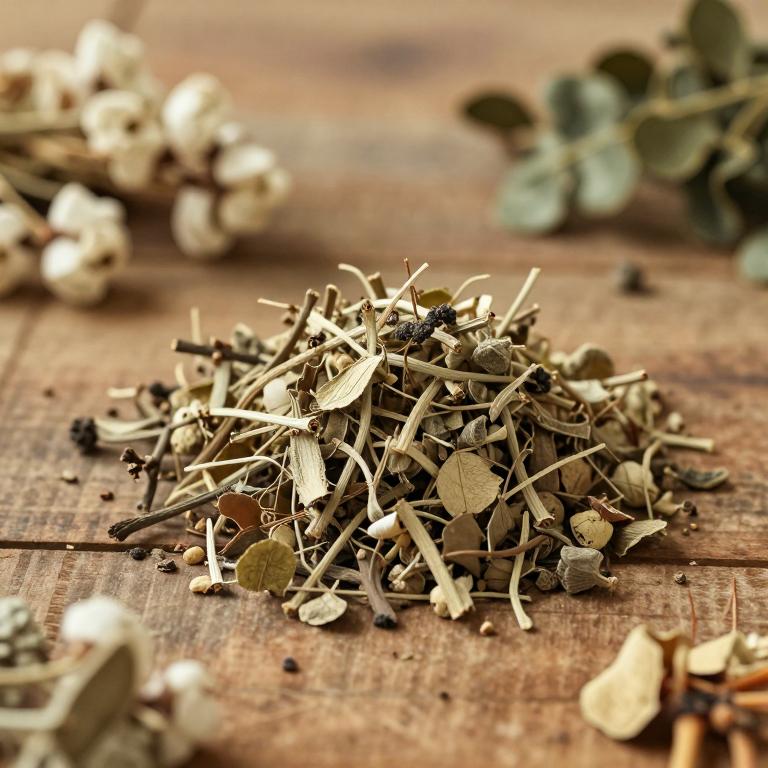
- Root
Classification
Synonyms
Sophora tonkinensis var. tonkinensis is a distinct botanical variety that is often recognized in scientific literature under an alternative name. This specific taxon is formally associated with the synonym Sophora subprostrata, a designation that may appear in older or different taxonomic records. Understanding these nomenclatural connections is essential for researchers seeking to track the plant's classification accurately. While the names may differ, they both refer to the same biological entity within the genus. Recognizing this relationship ensures clarity when studying the plant's unique characteristics and distribution.
Sources: The World Checklist of Vascular Plants (WCVP)
Taxonomy
Sophora tonkinensis var. tonkinensis is a fascinating botanical specimen that belongs to the kingdom Plantae. Within this vast kingdom, it is classified under the class Equisetopsida. This specific variety is further organized into the order Fabales, showcasing its unique evolutionary lineage. It is a prominent member of the genus Sophora, which defines its primary biological identity. Finally, its placement within the family Fabaceae connects it to a diverse group of well-known flowering plants.
| Rank | Classification |
|---|---|
| Kingdom | Plantae |
| Phylum | Streptophyta |
| Class | Equisetopsida |
| Subclass | Magnoliidae |
| Order | Fabales |
| Family | Fabaceae |
| Genus | Sophora |
Sources: The World Checklist of Vascular Plants (WCVP)
Distribution
Geographic Regions
Sophora tonkinensis var. tonkinensis is a plant species characterized by a broad geographic range across various Asian landscapes. Within the temperate regions of Asia, it is commonly found throughout different parts of China, including the South-Central and Southeast provinces. Its presence also extends into tropical climates, specifically within the Indo-China peninsula. In these warmer environments, the variety can be found flourishing in Vietnam. This diverse distribution highlights the plant's ability to adapt to both temperate and tropical ecological zones.
Sources: The World Checklist of Vascular Plants (WCVP)
Identification
Biological Activities
Compounds
Sophora tonkinensis var. tonkinensis is a significant botanical source linked to the presence of the bioactive compound sofalcone. While research often highlights sofalcone's isolation from Sophora subprostrata, the broader relationship between these medicinal plants and their therapeutic components remains a critical area of study. This specific compound is widely recognized for its effectiveness as a mucosal protective agent in treating gastritis and peptic ulcers. Recent analytical advancements, such as high-performance liquid chromatography-mass spectrometry, have allowed scientists to precisely quantify sofalcone levels within human plasma and urine. These sophisticated methods provide essential pharmacokinetic data that enhance our understanding of how such plant-derived substances behave in the human body.
Conditions
Sophora tonkinensis var. tonkinensis exhibits diverse physiological effects, including inducing a 35% increase of perfusion pressure in the hindleg perfusion model. This plant also treats bradycardiac effects through the action of its isolated compounds. Furthermore, it treats electrically induced contraction of the ventricle to influence cardiac function. Regarding gastrointestinal health, the plant treats gastric secretion by significantly reducing the volume of gastric juice. Finally, it treats gastritis and peptic ulcers by acting as a mucosal protective agent.
Preparations
Sophora tonkinensis var. tonkinensis is prepared as extracted fractions to facilitate scientific study. These specific fractions are subjected to screening to determine their potential anti-ulcer effects. Through this process, individual components such as sophoradin and sophoranone can be isolated from the broader extracts. The research focuses on how these prepared fractions and their derivatives influence gastric secretion and ulcer formation. Consequently, the preparation of these fractions allows for the identification of potent bioactive compounds.
Parts used
Sophora tonkinensis var. tonkinensis is a plant species that holds significant medicinal interest due to its specific biological components. Within this variety, the root serves as a vital part used for extracting valuable bioactive compounds. For instance, the isolated substance sofalcone is derived from these root structures to serve as a mucosal protective agent. Scientific research has focused on developing highly sensitive methods to quantify such compounds within human plasma and urine. These analytical advancements allow for a deeper understanding of how components from the plant's root interact with the human body during clinical pharmacokinetic studies.