Sonchus bulbosus
Sonchus bulbosus · Accepted scientific name
Scientific literature: Very Sparse (0 studies) · ★☆☆☆☆
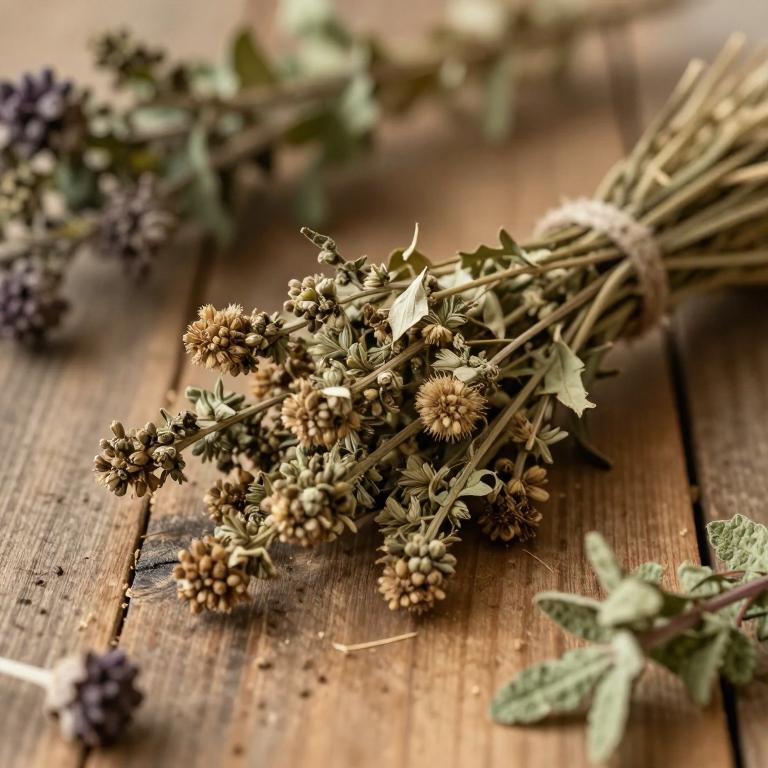
Sonchus bulbosus, commonly known as the bulbous sow thistle, is a distinctive herbaceous plant characterized by its fleshy, tuberous roots. This species thrives in coastal habitats and sandy soils where its unique structure allows it to withstand environmental stressors. Botanists often study its morphological traits to better understand its specialized adaptation to saline ecosystems. Beyond its ecological role, the plant is noted for its potential utility in various medicinal or chemical preparations. Specifically, the production of a concentrated extract serves as a primary focus for researchers exploring its bioactive properties.
- Synonyms
- Hieracium Bulbosum · Leontodon Bulbosus · 7 more
- Common names
- Not available
- Family
- Asteraceae
- Distribution
- Not available
- Plant Parts
- Not available
Classification
Synonyms
Sonchus bulbosus is a botanical subject characterized by a complex web of taxonomic synonyms. Throughout scientific literature, this plant is frequently identified by the alternative name Aetheorhiza bulbosa. It has also been classified under various other headings, such as Crepis bulbosa and Hieracioides bulbosa. Researchers may further encounter it recorded as Hieracium bulbosum depending on the historical context of the study. Finally, the name Intybus bulbosus serves as another recognized synonym within its diverse nomenclatural history.
Sources: The World Checklist of Vascular Plants (WCVP)
Taxonomy
Sonchus bulbosus is a distinctive organism belonging to the kingdom Plantae. Within this vast biological realm, the plant is classified under the class Equisetopsida. It falls specifically into the order Asterales, showcasing its evolutionary connections. This species is a member of the widely recognized family Asteraceae, which is known for its diverse floral structures. Ultimately, it is categorized under the genus Sonchus, defining its unique botanical identity.
| Rank | Classification |
|---|---|
| Kingdom | Plantae |
| Phylum | Streptophyta |
| Class | Equisetopsida |
| Subclass | Magnoliidae |
| Order | Asterales |
| Family | Asteraceae |
| Genus | Sonchus |
Sources: The World Checklist of Vascular Plants (WCVP)
Distribution
Geographic Regions
Sonchus bulbosus exhibits a diverse geographical range that spans across Africa and the Macaronesia region, including the Azores. Within the African continent, the species is particularly prominent throughout Northern Africa. Its presence is firmly established in several key nations such as Algeria and Egypt. Additionally, the plant can be found thriving in the landscapes of Libya and Morocco. This widespread distribution highlights the plant's ability to adapt to various environments across these specific territories.
Sources: The World Checklist of Vascular Plants (WCVP)
Identification
Biological Activities
Compounds
Conditions
Preparations
Sonchus bulbosus is prepared as an extract to facilitate the synthesis of zinc oxide nanoparticles. This specific plant extract serves as an eco-friendly medium in the green synthesis process alongside other medicinal species. The extract functions effectively as both a reducing and a capping agent during the formation of the nanoparticles. By utilizing the Sonchus bulbosus extract, researchers can create biosynthesized nanoparticles through gamma irradiation. This preparation method contributes to the overall investigation of antibacterial and antihemolytic activities against multidrug-resistant bacteria.