Solanum trilobatum
Solanum trilobatum · Accepted scientific name
Scientific literature: Very Sparse (2 studies) · ★☆☆☆☆
Solanum trilobatum is a versatile medicinal plant that has gained significant attention for its diverse therapeutic potential. Research indicates that its leaves, prepared through aqueous or alcoholic extracts, are rich in bioactive compounds such as flavonoids. These chemical constituents contribute to essential biological activities, including potent antioxidant and antidiabetic effects. Furthermore, the plant demonstrates clinical promise in managing conditions like bronchial asthma and enhancing overall disease resistance. Studies also highlight its ability to influence collagenase activity, underscoring its importance in pharmacological applications.
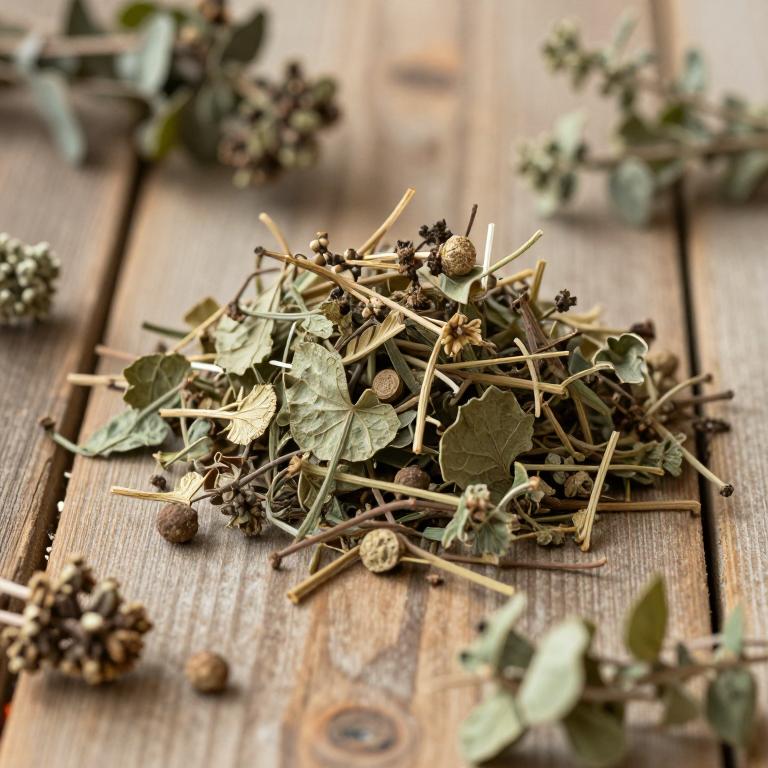
- Synonyms
- Solanum Canaranum · Solanum Acetosifolium · 4 more
- Common names
- Not available
- Family
- Solanaceae
- Distribution
- Not available
- Plant Parts
- Leaf
Classification
Synonyms
Solanum trilobatum is a botanical species that is frequently identified by various alternative names in scientific literature. It is recognized by the synonym Solanum acetosifolium, which highlights its complex taxonomic history. The plant is also referred to as Solanum canaranum and Solanum fuscum depending on the specific classification system used. Furthermore, researchers may encounter it listed under the names Solanum griffithii or Solanum prostratum. Understanding these various synonyms is essential for accurately identifying this plant across different regional studies.
Sources: The World Checklist of Vascular Plants (WCVP)
Taxonomy
Solanum trilobatum belongs to the vast kingdom Plantae, representing a diverse group of multicellular organisms. Within this kingdom, it is classified under the class Equisetopsida, reflecting its fundamental botanical structure. It further falls into the order Solanales, a group that shares specific evolutionary characteristics. As a member of the prominent genus Solanum, it shares a close lineage with many well-known species. Finally, this plant is nested within the Solanaceae family, a group renowned for its significant botanical and medicinal importance.
| Rank | Classification |
|---|---|
| Kingdom | Plantae |
| Phylum | Streptophyta |
| Class | Equisetopsida |
| Subclass | Magnoliidae |
| Order | Solanales |
| Family | Solanaceae |
| Genus | Solanum |
Sources: The World Checklist of Vascular Plants (WCVP)
Distribution
Geographic Regions
Solanum trilobatum is a versatile plant with a wide distribution across the tropical regions of Asia. It is commonly found throughout the Indian Subcontinent, specifically spanning across India and Sri Lanka. Beyond these areas, the species extends its reach into the Indo-China region. This geographical presence includes significant populations within Cambodia, Laos, and Myanmar. Consequently, this plant plays a notable role in the diverse botanical landscapes of these various tropical territories.
Sources: The World Checklist of Vascular Plants (WCVP)
Identification
Morphology
Solanum trilobatum typically presents as a shrubby plant that relies on its structural support to thrive. It is characterized by an obligatory climbing habit, necessitating nearby objects to facilitate its upward growth.
Sources: Global Inventory of Floras and Traits (GIFT)
Biological Activities
Solanum trilobatum is a medicinal plant that has been utilized in traditional Indian medicine for centuries to treat various ailments. Recent studies demonstrate that its leaf extracts possess significant antidiabetic properties, functioning as efficient anti-hyperglycemic agents. Beyond managing blood sugar, the plant also exhibits potent antioxidant activity, which helps combat oxidative stress in experimental models. These biochemical benefits are further supported by the plant's ability to provide nephro-protective effects during the management of diabetes. Consequently, the extract serves as a promising natural candidate for treating hyperglycemic conditions and protecting overall metabolic health.
Compounds
Solanum trilobatum is a significant medicinal plant within the Solanaceae family that is highly valued in traditional Indian medicine. Recent transcriptome analysis has provided a deeper understanding of its molecular composition through high-throughput RNA sequencing. This comprehensive study successfully identified the metabolic pathways responsible for producing essential secondary metabolites. Notably, the research revealed that the plant contains flavonoids, which are critical contributors to its therapeutic properties. These findings establish a vital genomic resource for future studies aiming to explore the molecular basis of its medicinal attributes.
Conditions
Solanum trilobatum is utilized in traditional medicine to treat bronchial asthma and various other pulmonary ailments. Research indicates that the plant can increase the Relative Percent Survival (RPS) in fish by enhancing their nonspecific immune mechanisms. Additionally, the plant contains potent anti-bacterial proteins that effectively treat Staphylococcus aureus. It also demonstrates significant efficacy in treating Vibrio cholerae by targeting essential bacterial surface structures.
Preparations
Solanum trilobatum is utilized in various medicinal preparations, often starting with the use of its leaves as a primary source. Researchers frequently utilize aqueous extracts and alcoholic extracts of the plant to study its ability to inhibit mast cell degranulation. Furthermore, the plant is prepared as an ethanolic leaf extract to evaluate its potential in managing oxidative stress and lipid profiles. Studies also involve the use of specific fractions derived from the plant to isolate potent anti-bacterial proteins or to treat hyperglycemic conditions. These diverse preparation methods, ranging from whole leaves to refined fractions, highlight the plant's versatility in pharmacological research.
Parts used
Solanum trilobatum is a highly significant medicinal plant whose therapeutic properties are largely concentrated within its leaves. Recent transcriptome analyses have utilized the leaf to identify key metabolic pathways, particularly those responsible for the biosynthesis of medicinal flavonoids. Beyond genetic insights, ethanolic extracts derived from the leaves have demonstrated remarkable potential in managing diabetes by improving lipid profiles and reducing oxidative stress. Furthermore, researchers have successfully isolated potent anti-bacterial proteins directly from the leaf fractions to combat pathogens like Staphylococcus aureus. These various studies collectively highlight how the leaf of Solanum trilobatum serves as a vital biological resource for both traditional medicine and modern molecular research.