Solanum pubescens
Solanum pubescens · Accepted scientific name
Scientific literature: Very Sparse (11 studies) · ★☆☆☆☆
Solanum pubescens, scientifically known as Solanum pubescens, is a versatile medicinal shrub native to various tropical regions. Renowned for its diverse therapeutic properties, this plant is frequently utilized in traditional medicine to treat inflammation, digestive issues, and skin ailments, offering significant potential for modern pharmacological research and development.
- Family
- Solanaceae
- Native range
- Asia-Temperate
- Parts used
- Fruit · Leaf
- Common names
- Not available
- Scientific synonyms
- Nycterium Pubescens · Solanum Blattarioides · 1 more
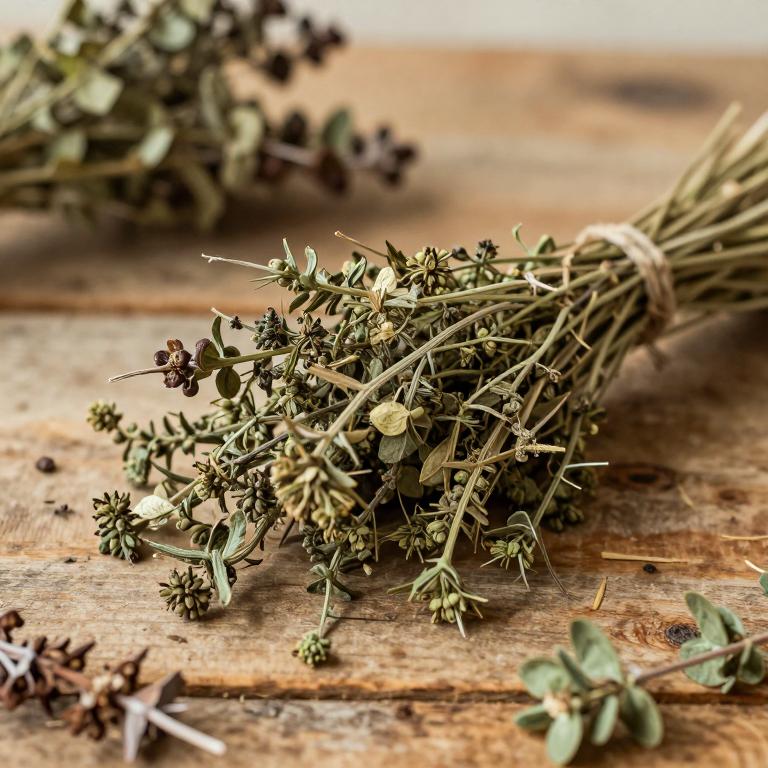
Names and Synonyms
Scientific Names
Accepted name
Solanum pubescensSynonyms
- Nycterium pubescens
- Solanum blattarioides
- Solanum esenbeckii
Sources: Wikidata
Taxonomical Classification
This plant belongs to the kingdom Plantae and is classified under the phylum Streptophyta and the class Equisetopsida. Within the subclass Magnoliidae, it is ordered under Solanales and placed in the family Solanaceae. Finally, it is categorized under the genus Solanum.
| Rank | Classification |
|---|---|
| Kingdom | Plantae |
| Phylum | Streptophyta |
| Class | Equisetopsida |
| Subclass | Magnoliidae |
| Order | Solanales |
| Family | Solanaceae |
| Genus | Solanum |
Sources: The World Checklist of Vascular Plants (WCVP)
Distribution
This plant exhibits a specific geographical range that spans across parts of Western Asia and South Asia. Within the Arabian Peninsula, it is documented to grow in the territories of Saudi Arabia and Yemen. Moving eastward, the species is also found throughout the Indian Subcontinent. Specifically, it has a recorded presence in India. Consequently, its natural habitat is distributed across these distinct regional landscapes.
| Region | Area |
|---|---|
| Arabian Peninsula | Saudi Arabia |
| Arabian Peninsula | Yemen |
| Indian Subcontinent | India |
Sources: The World Checklist of Vascular Plants (WCVP)
Botanical Identification
Morphology
The morphology of Solanum pubescens is characterized by its growth form as a woody herb, exhibiting a robust and sturdy structure. It is a terrestrial plant that functions as an independent organism, showing no parasitic tendencies toward other flora. In terms of its physical habit, it is classified as a self-supporting plant rather than a climber, meaning it does not require external structures such as lianas or vines for support, nor does it exhibit climbing behaviors like obligatory or facultative vines. Furthermore, it is strictly terrestrial in its ecological positioning, lacking any epiphytic tendencies such as being a holoepiphyte or hemiepiphyte.
- Aquatic :
- terrestrial
- Climber :
- self-supporting
- Epiphyte :
- terrestrial
- Growth form :
- herb
- Parasite :
- independent
- Woodiness :
- woody
Sources: Global Inventory of Floras and Traits (GIFT)
Plant Parts
Solanum pubescens has 2 reported plant parts identified across 2 scientific publications and several other databases that are studied for medicinal purposes. The most consistently reported plant part include fruit, leaf.
| Plant part | Supporting sources | Consensus |
|---|---|---|
| Fruit | 1 supporting sources | ★☆☆☆☆ |
| Leaf | 1 supporting sources | ★☆☆☆☆ |
Fruit
- Current topics in medicinal chemistry
Leaf
- Current topics in medicinal chemistry
Chemicals
Solanum pubescens has 3 reported phytochemicals identified across 2 scientific publications and several other databases. The most consistently reported chemicals include Hexosamine, Hexuronic acid, hydroxyproline.
| Chemical | Supporting sources | Consensus |
|---|---|---|
| Hexosamine | 1 supporting sources | ★☆☆☆☆ |
| Hexuronic acid | 1 supporting sources | ★☆☆☆☆ |
| hydroxyproline | 1 supporting sources | ★☆☆☆☆ |
Hexosamine
- Current topics in medicinal chemistry
Hexuronic acid
- Current topics in medicinal chemistry
hydroxyproline
- Current topics in medicinal chemistry
Activities
Solanum pubescens has 4 reported activities identified across 2 scientific publications and several other databases. The most consistently reported activities include Analgesic, Antibacterial, Antifungal, Antimicrobial.
| Activity | Supporting sources | Consensus |
|---|---|---|
| Analgesic | 1 supporting sources | ★☆☆☆☆ |
| Antibacterial | 1 supporting sources | ★☆☆☆☆ |
| Antifungal | 1 supporting sources | ★☆☆☆☆ |
| Antimicrobial | 1 supporting sources | ★☆☆☆☆ |
Analgesic
- Current topics in medicinal chemistry
Antibacterial
- Current topics in medicinal chemistry
Antifungal
- Current topics in medicinal chemistry
Antimicrobial
- Current topics in medicinal chemistry
Conditions
Solanum pubescens has 2 reported investigations on conditions identified across 2 scientific publications and several other databases. The most consistently reported conditions include E. coli, wound.
| Condition | Supporting sources | Consensus |
|---|---|---|
| E. coli | 1 supporting sources | ★☆☆☆☆ |
| Wound | 1 supporting sources | ★☆☆☆☆ |
E. coli
- Current topics in medicinal chemistry
Wound
- Current topics in medicinal chemistry
Preparations
Solanum pubescens has 3 reported preparations identified across 2 scientific publications and several other databases. The most consistently reported preparations include (Solanopuboil/SPO), fruit essential oil, leaf extracts.
| Preparation | Supporting sources | Consensus |
|---|---|---|
| (solanopuboil/spo) | 1 supporting sources | ★☆☆☆☆ |
| Fruit essential oil | 1 supporting sources | ★☆☆☆☆ |
| Leaf extracts | 1 supporting sources | ★☆☆☆☆ |
(solanopuboil/spo)
- Current topics in medicinal chemistry
Fruit essential oil
- Current topics in medicinal chemistry
Leaf extracts
- Current topics in medicinal chemistry