Solanum luteoalbum
Solanum luteoalbum · Accepted scientific name
Scientific literature: Very Sparse (5 studies) · ★☆☆☆☆
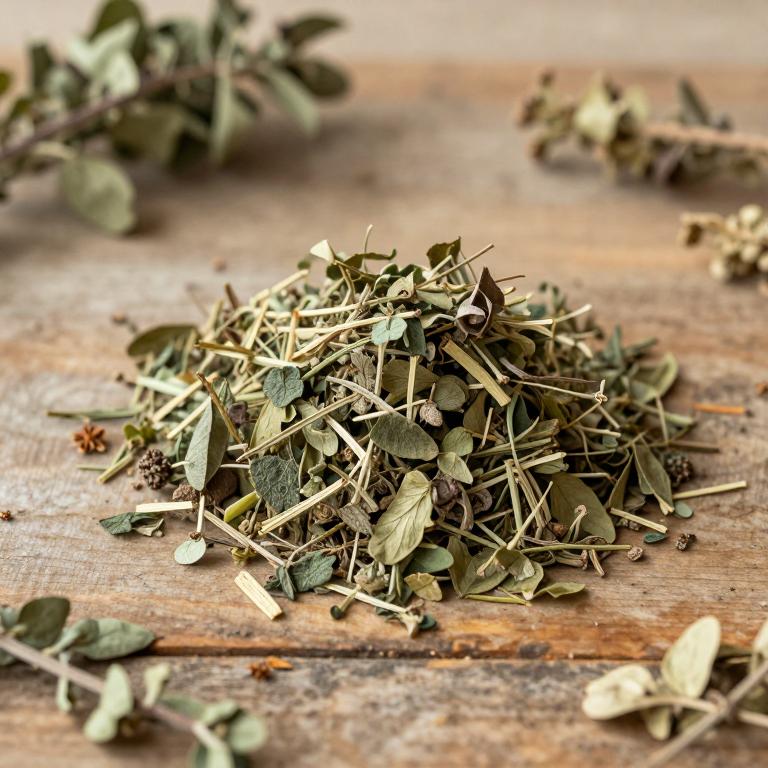
Solanum luteoalbum is a versatile medicinal plant known for its significant therapeutic properties. Scientific studies have highlighted its diverse biological activities, including analgesic, antibacterial, antifungal, and antimicrobial effects. Researchers frequently utilize leaf extracts to harness these benefits for various health applications. Specifically, the plant shows great promise in treating E. coli infections and promoting efficient wound healing. By utilizing both the fruit and the leaf, this species serves as a valuable resource in natural pharmacology.
- Synonyms
- Solanum Luteoalbum Var. Tunya · Solanum Semicoalitum · 2 more
- Common names
- Not available
- Family
- Solanaceae
- Distribution
- Asia-Tropical
- Plant Parts
- Fruit · Leaf
Classification
Synonyms
Solanum luteoalbum is a plant species characterized by several botanical synonyms that reflect its complex taxonomic history. Within scientific literature, it is frequently identified as Cyphomandra luteoalba. The species also encompasses the variation known as Solanum luteoalbum var. tunya. Furthermore, researchers may encounter this plant under the names Solanum maleolens or Solanum semicoalitum. Understanding these various designations is essential for accurate identification in botanical studies.
Sources: The World Checklist of Vascular Plants (WCVP)
Taxonomy
Solanum luteoalbum is a fascinating botanical specimen that belongs to the vast kingdom Plantae. Within this diverse realm, the plant is classified under the class Equisetopsida. It further finds its place within the order Solanales, showcasing its specific evolutionary lineage. The species is a distinguished member of the genus Solanum, which characterizes its unique biological traits. Ultimately, this placement within the Solanaceae family highlights its close relationship to many other well-known flowering plants.
| Rank | Classification |
|---|---|
| Kingdom | Plantae |
| Phylum | Streptophyta |
| Class | Equisetopsida |
| Subclass | Magnoliidae |
| Order | Solanales |
| Family | Solanaceae |
| Genus | Solanum |
Sources: The World Checklist of Vascular Plants (WCVP)
Distribution
Geographic Regions
Solanum luteoalbum is a botanical species primarily found throughout the diverse landscapes of Southern America. Within this vast region, its presence is particularly notable across the terrain of Western South America. Detailed distribution records highlight its occurrence in the country of Ecuador, where it integrates into the local ecology. Furthermore, the plant maintains a significant presence in Peru, expanding its geographic footprint along the western coast. This specific range underscores the plant's specialized adaptation to the unique environmental conditions of these South American territories.
Sources: The World Checklist of Vascular Plants (WCVP)
Identification
Morphology
Solanum luteoalbum is characterized by its distinct shrub-like growth form. This plant is entirely self-supporting, maintaining its upright structure without the need for external assistance.
Sources: Global Inventory of Floras and Traits (GIFT)
Biological Activities
Solanum luteoalbum possesses a diverse range of biological properties that highlight its significant therapeutic potential. Research indicates that this plant exhibits strong antimicrobial activity, which encompasses both antibacterial and antifungal effects. Furthermore, it has been shown to demonstrate effective analgesic properties, providing relief from pain. The plant also serves as a potent antioxidant, helping to regulate various biological markers. Together, these multifaceted activities underscore the medicinal importance of Solanum luteoalbum in pharmacological applications.
Compounds
Conditions
Solanum luteoalbum exhibits significant therapeutic potential through its various biological activities. The plant demonstrates antifungal properties by effectively treating A. fumigatus and A. niger. Additionally, it serves as an antibacterial agent that treats B. cereus and B. subtilis. Beyond microbial control, the plant also addresses physiological responses such as the acetic acid writhing response. These diverse interactions highlight the plant's multifaceted medicinal capabilities.
Preparations
Solanum luteoalbum is prepared as leaf extracts to harness its diverse medicinal properties. While the provided abstract focuses on the essential oils of Solanum pubescens, it highlights how extracts from the Solanum genus are valued for their phytochemical potential. These specific preparations are often utilized in research to uncover various biological activities. The extraction process allows for the isolation of compounds that can be studied for therapeutic efficacy. Consequently, the use of leaf extracts serves as a fundamental method for investigating the medicinal promises of these plants.
Parts used
Solanum luteoalbum is a plant species characterized by the presence of specific morphological components, most notably its fruit and leaf. While recent botanical research has focused heavily on the medicinal properties of related species like Solanum pubescens, the anatomical structure of S. luteoalbum remains a key point of interest. The fruit of this plant serves as a primary part of its physical identity, much like the essential oils derived from similar Solanum fruits. Additionally, the leaf constitutes another vital component of the plant's biological makeup. Understanding these specific plant parts is essential for identifying the various phytochemical potentials inherent in the Solanum genus.