Solanum glaucophyllum
Solanum glaucophyllum · Accepted scientific name
Scientific literature: Very Sparse (0 studies) · ★☆☆☆☆
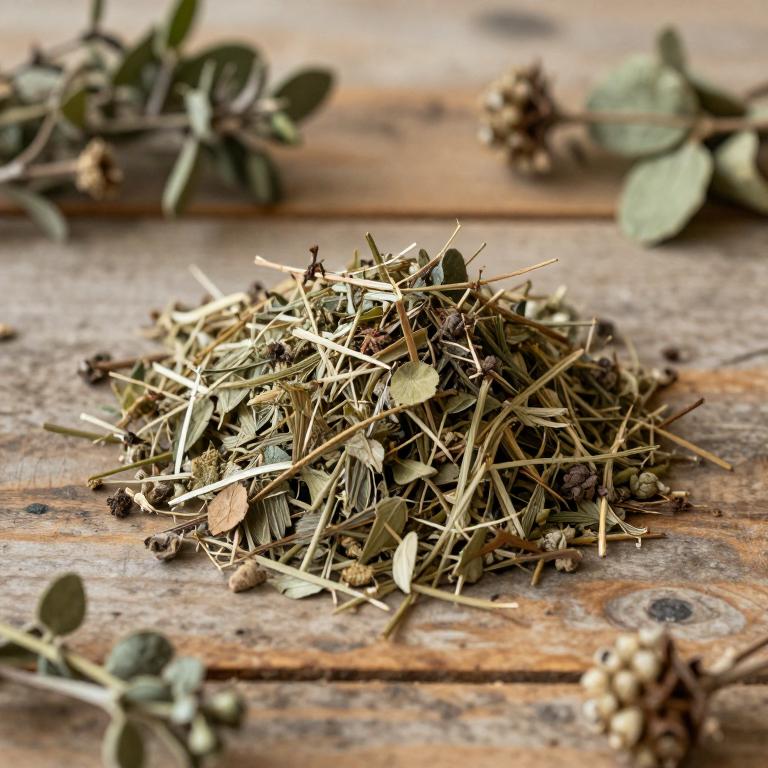
Solanum glaucophyllum is a distinctive plant species known for its unique botanical characteristics and specific medicinal potential. Within various traditional practices, this plant is frequently utilized to create a potent watery extract. This particular preparation method allows for the efficient collection of its bioactive compounds for therapeutic use. Researchers continue to study the plant to better understand its complex chemical profile and biological activities. Understanding its properties is essential for exploring its role in both ethnobotanical history and modern pharmacology.
- Synonyms
- Solanum Malacoxylon F. Albomarginatum · Solanum Malacoxylon F. Vulgare · 10 more
- Common names
- Not available
- Family
- Solanaceae
- Distribution
- Not available
- Plant Parts
- Not available
Classification
Common Names
Solanum glaucophyllum is a versatile plant known by a diverse array of regional and scientific nicknames. In various locales, it is commonly referred to as Duraznillo blanco or Espichadeira. It also carries the distinct name Melsvalapė basovija, showcasing its linguistic variety. Some botanists and locals may identify it as Solanum malacoxylon to distinguish its specific traits. Finally, the simple name Varilla is often used to describe this unique member of the nightshade family.
Sources: Catalogue of Life (COL)
Synonyms
Solanum glaucophyllum is a botanical species that is associated with several important taxonomic synonyms. Researchers frequently encounter this plant under the names Solanum glaucescens or Solanum glaucum in various scientific records. Its identity is also linked to the designation Solanum glaucum-fruticosum, reflecting different ways the plant has been categorized over time. Furthermore, the species is synonymous with Solanum malacoxylon, which encompasses a broader range of recognized variations. This taxonomic complexity even extends to specific forms, such as Solanum malacoxylon f. albomarginatum, highlighting the intricate relationships within this group.
Sources: The World Checklist of Vascular Plants (WCVP)
Taxonomy
Solanum glaucophyllum is a distinctive member of the kingdom Plantae. Within this vast biological realm, the species is classified under the class Equisetopsida. It belongs to the specific order Solanales, which helps define its evolutionary lineage. Furthermore, it is situated within the well-known family Solanaceae. Ultimately, this plant is defined by its placement in the genus Solanum.
| Rank | Classification |
|---|---|
| Kingdom | Plantae |
| Phylum | Streptophyta |
| Class | Equisetopsida |
| Subclass | Magnoliidae |
| Order | Solanales |
| Family | Solanaceae |
| Genus | Solanum |
Sources: The World Checklist of Vascular Plants (WCVP)
Distribution
Geographic Regions
Solanum glaucophyllum is a remarkably widespread species with a geographic reach spanning several continents. In Africa, its presence is noted within Algeria and across Northern Africa, while in Asia, it thrives throughout the Indian Subcontinent and Nepal. The plant also establishes itself in North America, specifically within the southeastern United States and the state of Florida. Its distribution extends deep into South America, where it is commonly found across various regions of Brazil. Whether in the West-Central territories or the southern reaches of the country, this plant maintains a diverse and impressive global footprint.
Sources: The World Checklist of Vascular Plants (WCVP)
Identification
Morphology
Solanum glaucophyllum grows in a distinct shrub-like form. This plant is entirely self-supporting, maintaining its structure without the need for external aid.
Sources: Global Inventory of Floras and Traits (GIFT)
Biological Activities
Compounds
Conditions
Solanum glaucophyllum, referred to in the research as Solanum malacoxylon, demonstrates significant therapeutic potential in managing bone pathologies. The plant effectively treats epiphyseal lesions through a dose-related curative effect. It also treats rachitic bone changes in rats that are deficient in both vitamin D and phosphate. Furthermore, the extracts are capable of treating rachitic bone lesions in a manner very similar to vitamin D3. These biological actions highlight the plant's ability to mimic the effects of vitamin D in treating specific skeletal deficiencies.
Preparations
Solanum glaucophyllum is prepared as a watery extract to facilitate its use in various biological investigations. This specific preparation method allows for the controlled administration of different dosages during experimental studies. By utilizing a watery extract, researchers can effectively test the plant's physiological impacts on specific subjects. The preparation process is essential for evaluating the concentration-dependent effects of the plant's components. Consequently, the formulation of a watery extract serves as a fundamental step in studying its medicinal properties.