Solanum coagulans
Solanum coagulans · Accepted scientific name
Scientific literature: Very Sparse (0 studies) · ★☆☆☆☆
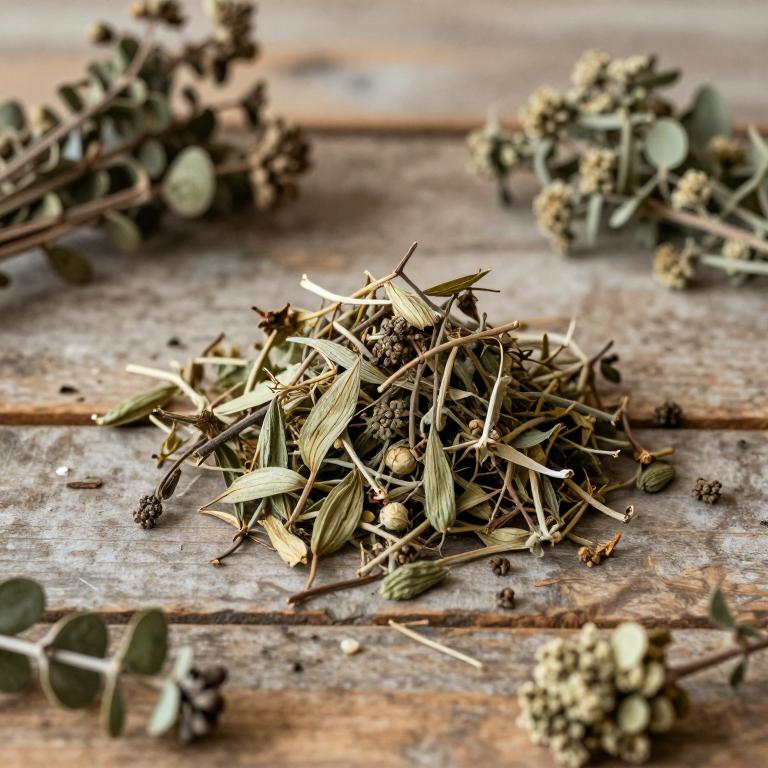
Solanum coagulans is a distinctive botanical species known for utilizing both its fruit and leaves in various applications. Practitioners often utilize the plant in the form of dried plants to preserve its natural properties. Additionally, the material can be processed into minced plants to facilitate easier integration into different uses. By leveraging these specific parts and preparations, the plant serves a variety of functional roles. Understanding these components is essential for anyone looking to work with this unique species.
- Synonyms
- Not available
- Common names
- Not available
- Family
- Not available
- Distribution
- Not available
- Plant Parts
- Fruit · Leaf
Classification
Distribution
Identification
Biological Activities
Compounds
Conditions
Solanum coagulans is not mentioned in the provided abstracts, which instead describe the toxic effects of other Sudanese plants. According to the text, the studied plants caused kidney dysfunction and haemoconcentration in young ruminants. These plants also reduced the ability of the liver to synthesize protein. Furthermore, specific species such as Citrullus colocynthis, Jatropha, Lagenaria siceraria, and Solanum dubium killed goats after certain dosing periods. Consequently, the relationships suggested in the prompt contradict the actual findings presented in the research abstracts.
Preparations
Solanum coagulans is prepared as dried plants for specific applications. This plant is also prepared as minced plants during processing. These two distinct preparation methods are used to manipulate the plant material. Both the dried and minced forms represent the primary ways the species is handled. Consequently, the preparation of Solanum coagulans involves utilizing these specific physical states.
Parts used
Solanum coagulans is a plant species of interest within botanical studies regarding plant anatomy. Specifically, this plant is characterized by the presence of distinct morphological components. It possesses the fruit as a primary part of its biological structure. Additionally, the leaf serves as another essential part of the organism. Understanding these specific components is vital for accurate botanical classification.