Solanum chrysotrichum
Solanum chrysotrichum · Accepted scientific name
Scientific literature: Very Sparse (4 studies) · ★☆☆☆☆
Solanum chrysotrichum is a botanical species that holds significant potential in the development of new herbal medicinal products. Research focusing on the plant's leaf, specifically through the use of methanolic extracts and axillary bud explants, has identified key bioactive compounds known as SC-1 and SC-2. These specific chemicals demonstrate potent antimycotic and antifungal activities against a variety of harmful microorganisms. The plant has shown particular effectiveness in combating conditions such as Candida albicans and various dermatophytes. Consequently, Solanum chrysotrichum offers a promising natural approach for treating infections like Tinea pedis and systemic Candida infections.
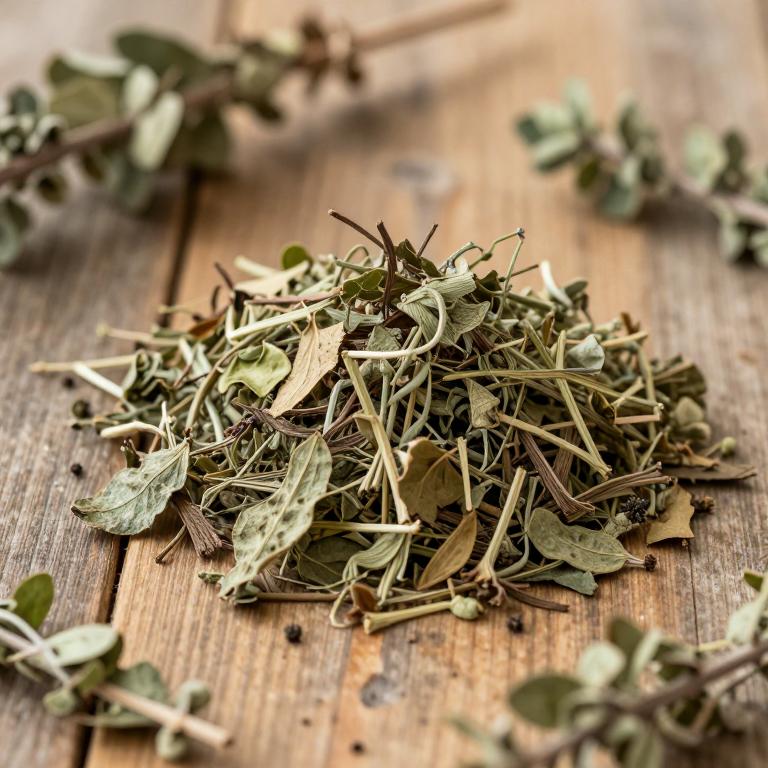
- Synonyms
- Solanum Pynaertii · Solanum Scorpioideum · 3 more
- Common names
- Not available
- Family
- Solanaceae
- Distribution
- Not available
- Plant Parts
- Leaf
Classification
Common Names
Solanum chrysotrichum is a distinctive plant known by several evocative names across different languages and cultures. In English-speaking regions, it is frequently referred to by the striking common name giant devil's-fig. Moving into German-speaking areas, the species is recognized as Goldhaar-Nachtschatten. Its identity is further expanded in Spanish-speaking contexts, where it is called Berenjena espinosa. These diverse linguistic labels all point toward the same unique botanical specimen.
Sources: Catalogue of Life (COL)
Synonyms
Solanum chrysotrichum is a plant species characterized by a complex web of taxonomic synonyms. Throughout botanical literature, it has been identified under several different names, including Solanum pynaertii and Solanum scorpioideum. The plant is also frequently referred to as Solanum torvum var. pleiotomum in various studies. Furthermore, researchers have historically documented this species as Solanum truncatum. Finally, the name Solanum warszewiczii serves as another recognized synonym within its shifting botanical identity.
Sources: The World Checklist of Vascular Plants (WCVP)
Taxonomy
Solanum chrysotrichum belongs to the vast kingdom Plantae, representing the diverse life of the botanical world. Within this kingdom, the species is classified under the class Equisetopsida. It further falls into the order Solanales, which connects it to a specific lineage of flowering plants. This specimen is a member of the prominent genus Solanum, a group known for its wide variety of species. Finally, it is nested within the Solanaceae family, highlighting its close evolutionary ties to other well-known members of that group.
| Rank | Classification |
|---|---|
| Kingdom | Plantae |
| Phylum | Streptophyta |
| Class | Equisetopsida |
| Subclass | Magnoliidae |
| Order | Solanales |
| Family | Solanaceae |
| Genus | Solanum |
Sources: The World Checklist of Vascular Plants (WCVP)
Distribution
Geographic Regions
Solanum chrysotrichum is a diverse species with a broad geographical footprint spanning multiple regions. Its distribution extends across Africa and into the Macaronesian islands, including the Azores and the Canary Islands. Within the African continent, the plant is particularly prevalent throughout South Tropical Africa. This presence is specifically noted in countries such as Malawi, Zambia, and Zimbabwe. Consequently, this plant maintains a significant ecological reach across both island chains and mainland territories.
Sources: The World Checklist of Vascular Plants (WCVP)
Identification
Morphology
Solanum chrysotrichum is a self-supporting shrub that maintains a sturdy and upright presence in its natural habitat. This species exhibits a versatile growth form, ranging in height from a modest 1 meter to a more substantial 7 meters. Its structural integrity allows it to thrive without the need for external support. Consequently, gardeners and botanists can expect a robust plant that fills vertical space effectively.
Sources: Global Inventory of Floras and Traits (GIFT)
Biological Activities
Solanum chrysotrichum is a significant medicinal plant recognized for its potent antimicrobial properties. Research has identified specific steroidal saponins within the species, such as SC-1, which serve as effective antimycotic agents. Furthermore, the plant contains specialized compounds like SC-2 that exhibit strong antifungal activity against various pathogens. These include the ability to inhibit dermatophytes and combat multi-resistant strains of Candida species. Due to these bioactive characteristics, the plant offers promising therapeutic alternatives for treating fungal infections such as vulvovaginal candidiasis.
Compounds
Solanum chrysotrichum serves as a vital source of potent bioactive compounds used in traditional Mexican medicine. Research has successfully identified the antimycotic spirostan saponin SC-1 within the leaves of this plant. Additionally, the species contains a variety of other spirostanic saponins, most notably SC-2. Among these, SC-2 has demonstrated significant fungicidal activity against various strains of Candida. Consequently, these specific molecules highlight the therapeutic potential of Solanum chrysotrichum in treating fungal-associated infections.
Conditions
Solanum chrysotrichum possesses significant antimycotic properties that allow it to effectively treat various fungal pathogens. The plant's active saponins demonstrate the ability to treat Candida albicans and other multi-resistant Candida species by inducing morphological changes and fungal death. It is also highly effective at treating T. rubrum and other dermatophytes, making it a valuable resource for addressing skin mycoses. Research further confirms that the plant can treat Aspergillus niger through its specific steroidal saponin compounds. Ultimately, these medicinal properties enable Solanum chrysotrichum to treat Candida infection, providing a therapeutic alternative for mucosal and dermal illnesses.
Preparations
Solanum chrysotrichum is prepared as an herbal medicinal product used effectively in the treatment of skin infections and vulvovaginal candidiasis. Researchers utilize axillary bud explants of the plant for micropropagation and callus formation in tissue culture studies. The species is also processed into an extract that serves as a basis for various pharmacological applications. Specifically, a methanolic extract of the plant has demonstrated significant activity against both dermatophytes and yeasts. Furthermore, the plant is prepared as the spirostanic saponin SC-2, which exhibits potent fungicidal and fungistatic properties against diverse fungal species.
Parts used
Solanum chrysotrichum serves as a valuable source of bioactive compounds, particularly when examining its leaf structure. Researchers have successfully isolated several new steroidal saponins and sterol glycosides specifically from these leaves. These chemical constituents, such as the newly identified SC-1, demonstrate significant antimycotic properties against various fungal species. Through bioassay-guided fractionation and advanced spectroscopic analysis, the complex structures of these leaf-derived molecules have been clearly established. Ultimately, the leaves of this plant offer promising potential for developing new treatments to combat fungal infections.