Solanum bicolor
Solanum bicolor · Accepted scientific name
Scientific literature: Very Sparse (1 studies) · ★☆☆☆☆
Solanum bicolor is a botanical species recognized for its unique chemical properties and biological potential. Researchers have focused specifically on the plant's leaves to explore their diverse therapeutic applications. Scientific investigations have revealed that preparations made from these leaves exhibit significant antibacterial activities. By targeting various pathogens, these leaf extracts offer a promising avenue for developing natural antimicrobial agents. Understanding the medicinal value of Solanum bicolor contributes to the growing field of ethnopharmacology.
- Synonyms
- Solanum Callicarpifolium · Solanum Sieberianum · 1 more
- Common names
- Not available
- Family
- Solanaceae
- Distribution
- Southern America
- Plant Parts
- Leaf
Classification
Common Names
Solanum bicolor is a plant that holds a unique place in the local vernacular of the Caribbean. In Trinidad and Tobago, this specific species is widely recognized by its common name, Fei Vian. This regional naming convention highlights the deep cultural connection between the local people and their surrounding flora. Understanding such linguistic relationships provides valuable insight into how different communities categorize the natural world. Consequently, learning these local names is essential for anyone studying the biodiversity of the region.
Sources: Catalogue of Life (COL)
Synonyms
Solanum bicolor is a botanical subject frequently associated with several different taxonomic names in scientific literature. It is widely recognized as being synonymous with Solanum asperum, a connection that often appears in older herbarium records. The plant is also identified by the synonym Solanum callicarpifolium, along with its specific variety, Solanum callicarpifolium var. asperum. Additionally, researchers may encounter this species listed under the name Solanum sieberianum depending on the classification system used. Understanding these overlapping relationships is essential for ensuring accurate identification and consistency in botanical research.
Sources: The World Checklist of Vascular Plants (WCVP)
Taxonomy
Solanum bicolor is a distinct member of the kingdom Plantae. Within this vast biological realm, it is categorized under the class Equisetopsida. The plant belongs to the order Solanales, which helps define its evolutionary lineage. It is further classified within the diverse genus Solanum. Ultimately, this specific classification places the species firmly inside the Solanaceae family.
| Rank | Classification |
|---|---|
| Kingdom | Plantae |
| Phylum | Streptophyta |
| Class | Equisetopsida |
| Subclass | Magnoliidae |
| Order | Solanales |
| Family | Solanaceae |
| Genus | Solanum |
Sources: The World Checklist of Vascular Plants (WCVP)
Distribution
Geographic Regions
Solanum bicolor is widely distributed across a vast tropical range that spans much of Southern America and the Caribbean. Its presence is noted throughout the Venezuelan Antilles and the diverse island chains of the Windward and Leeward Islands. This plant also maintains a significant foothold in Northern South America, particularly within the territory of Guyana. Furthermore, its habitat extends to specific Caribbean locales such as Trinidad and Tobago. Collectively, these regions highlight the extensive geographical reach of this resilient species.
Sources: The World Checklist of Vascular Plants (WCVP)
Identification
Morphology
Solanum bicolor exhibits a tree-like growth form that allows it to stand prominently within its ecosystem. This species is entirely self-supporting, maintaining its structure without the need for external climbing aids.
Sources: Global Inventory of Floras and Traits (GIFT)
Biological Activities
Solanum bicolor belongs to a group of medicinal plants identified during an ethnobotanical survey in the Akwapim-North district of Ghana. This research focused on plant species traditionally used to treat skin diseases and various antimicrobial infections. Among the findings, certain extracts demonstrated significant antibacterial activity against a range of clinical isolates. Specifically, the study investigated how these traditional medicines could combat resilient pathogens such as MRSA. These results highlight the potential of local flora, including members of the Solanum genus, in developing new antibacterial treatments.
Compounds
Conditions
Solanum bicolor is not mentioned in the provided abstracts, which instead highlight the antibacterial properties of other medicinal plants. The research focuses on various species used in traditional Ghanaian medicine to combat skin diseases and antimicrobial infections. Specifically, the text notes that extracts from Solanum verbascifolium have been reported to possess antibacterial activity for the first time. These findings support the traditional use of certain plants to treat various types of skin infections. Consequently, the study validates the medicinal potential of these botanical extracts against several bacterial strains.
Preparations
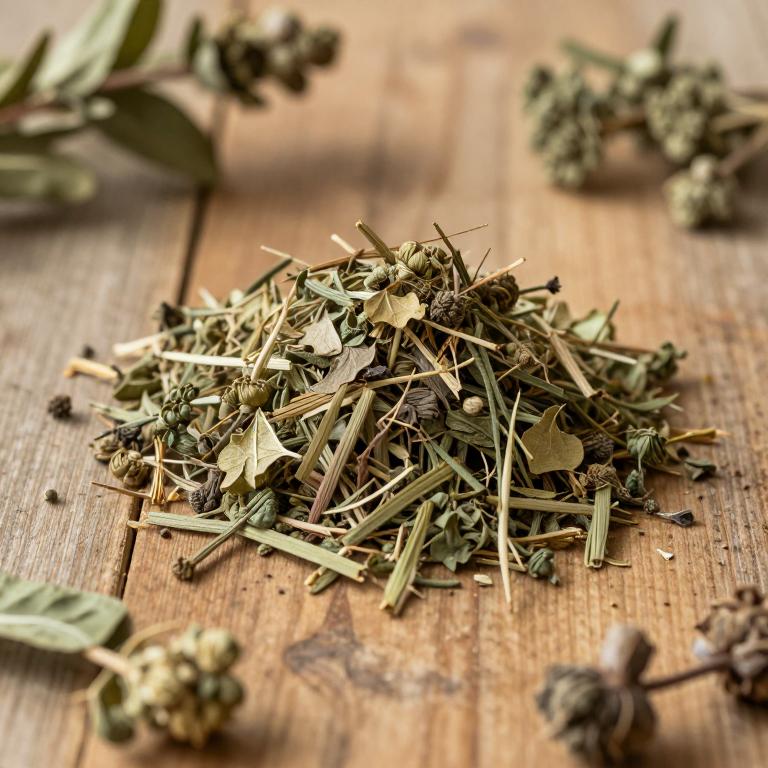
Solanum bicolor is prepared as leaves according to traditional medicinal practices. This specific preparation method is utilized within the context of botanical studies involving Ghanaian medicinal plants. The processing of these leaves allows for the creation of various extracts used in scientific investigations. Such preparations are central to examining the plant's potential therapeutic properties. Consequently, the use of leaves is a key aspect of how this species is utilized in its traditional form.
Parts used
Solanum bicolor is a plant species of interest within the study of traditional Ghanaian medicinal practices. While the research focuses on the antimicrobial properties of various local flora, it highlights how specific plant parts are utilized for therapeutic purposes. For instance, the leaves of related species such as Solanum verbascifolium have been identified as having significant antibacterial activity. This relationship demonstrates that the leaf is a critical component for extracting the bioactive compounds needed to treat skin infections. Understanding these botanical connections is essential for exploring new treatments for resistant bacteria like MRSA.