Solanum arboreum
Solanum arboreum · Accepted scientific name
Scientific literature: Very Sparse (0 studies) · ★☆☆☆☆
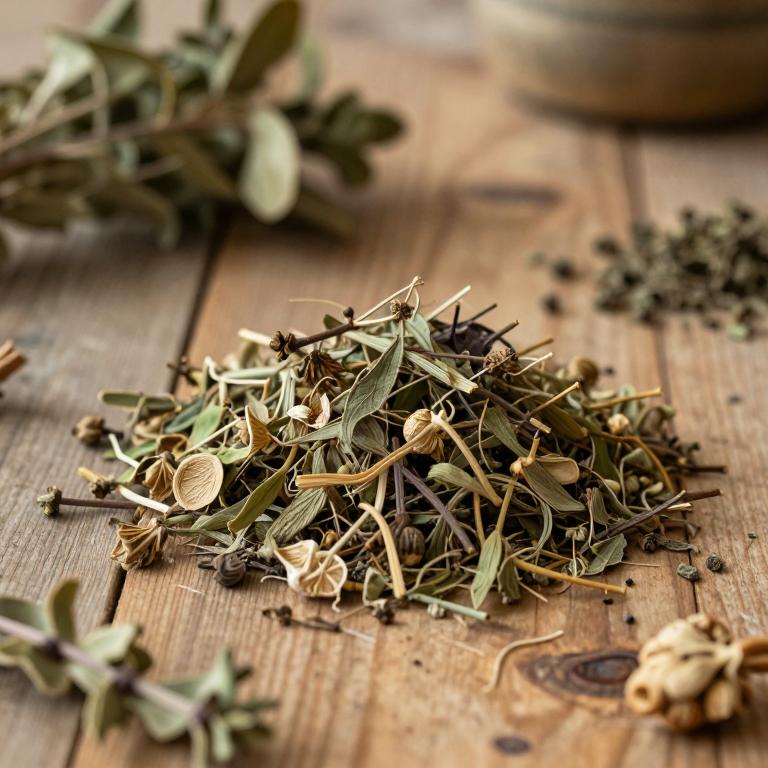
Solanum arboreum is a significant perennial shrub known for its diverse medicinal properties and ecological importance. This plant species is frequently studied for its bioactive compounds, which offer potential therapeutic benefits in various traditional treatments. Researchers often focus on utilizing the plant through specific preparations, most notably fresh or dried hidroalcoholic extracts. These extracts serve as a concentrated medium for isolating the essential phytochemicals required for pharmacological analysis. Understanding the chemical composition of these preparations is crucial for unlocking the full medicinal potential of this versatile species.
- Synonyms
- Solanum Dolichostylum · Solanum Euchylozum · 4 more
- Common names
- Not available
- Family
- Solanaceae
- Distribution
- Southern America
- Plant Parts
- Not available
Classification
Synonyms
Solanum arboreum is a species known to encompass several botanical synonyms within its taxonomic history. Researchers have identified various names that refer to this same plant, including Solanum dolichostylum and Solanum enchylozum. Furthermore, the plant has been documented under the synonym Solanum euchylozum in different scientific contexts. Other recognized designations include Solanum kenoyeri and Solanum orgyale. Understanding these overlapping names is essential for maintaining clarity in botanical classification.
Sources: The World Checklist of Vascular Plants (WCVP)
Taxonomy
Solanum arboreum is a distinctive botanical species belonging to the vast kingdom Plantae. Within this diverse group, it is classified under the class Equisetopsida. It further falls into the order Solanales, showcasing its specific evolutionary lineage. This plant is a member of the prominent genus Solanum, which connects it to many other well-known species. Finally, it is situated within the Solanaceae family, a group known for its unique biological characteristics.
| Rank | Classification |
|---|---|
| Kingdom | Plantae |
| Phylum | Streptophyta |
| Class | Equisetopsida |
| Subclass | Magnoliidae |
| Order | Solanales |
| Family | Solanaceae |
| Genus | Solanum |
Sources: The World Checklist of Vascular Plants (WCVP)
Distribution
Geographic Regions
Solanum arboreum boasts a wide geographical reach throughout the tropical regions of Southern America. Its presence is firmly established in Brazil, spanning both general areas and the northern reaches of the country. The plant also thrives across the Caribbean, with specific populations found in Trinidad-Tobago and the Venezuelan Antilles. Moving northward, its distribution extends into Central America, where it can be found in Costa Rica. Finally, the species continues its journey through Nicaragua, completing a diverse range of habitats.
Sources: The World Checklist of Vascular Plants (WCVP)
Identification
Morphology
Solanum arboreum distinguishes itself through a distinctive tree-like growth form. Unlike many of its smaller relatives, this species is entirely self-supporting as it matures.
Sources: Global Inventory of Floras and Traits (GIFT)
Biological Activities
Compounds
Conditions
Solanum arboreum exhibits significant anti-leishmanial activity against Leishmania sp. based on studies conducted in Costa Rica. Research testing various plant extracts from the Alberto Manuel Brenes Biological Reserve identified this species as a promising candidate for treatment. Specifically, the plant demonstrated effective inhibitory results with IC50 values ranging from 25.8 to 72.5 μg/mL. These findings indicate that extracts from Solanum arboreum can target the parasite effectively. The study suggests that such plants could serve as valuable resources for developing new leishmaniosis treatments.
Preparations
Solanum arboreum is prepared as fresh or dried hidroalcoholic extracts to evaluate its medicinal potential. These specific extracts were derived from various plant parts to test their effectiveness against Leishmania sp. During the study, the extracts of this species demonstrated significant anti-leishmanial activity. The results indicated that the plant yielded IC50 values of 25.8 and 72.5 μg/mL. This preparation method allowed researchers to identify the plant as a promising candidate for potential leishmaniosis treatments.