Smilax
Smilax · Accepted scientific name
Scientific literature: Very Sparse (0 studies) · ★☆☆☆☆
Smilax is a diverse genus of climbing woody vines known for their robust growth and ecological presence. Researchers have identified that the plant contains significant bioactive compounds, such as kaempferol 5-O-beta-D-glucopyranoside. The medicinal and chemical properties of this genus are primarily concentrated within the plant's root. Various preparations, including specialized root extracts, are frequently studied for their potential therapeutic applications. By utilizing the raw roots to create concentrated extracts, scientists continue to explore the complex chemical profile of this unique botanical species.
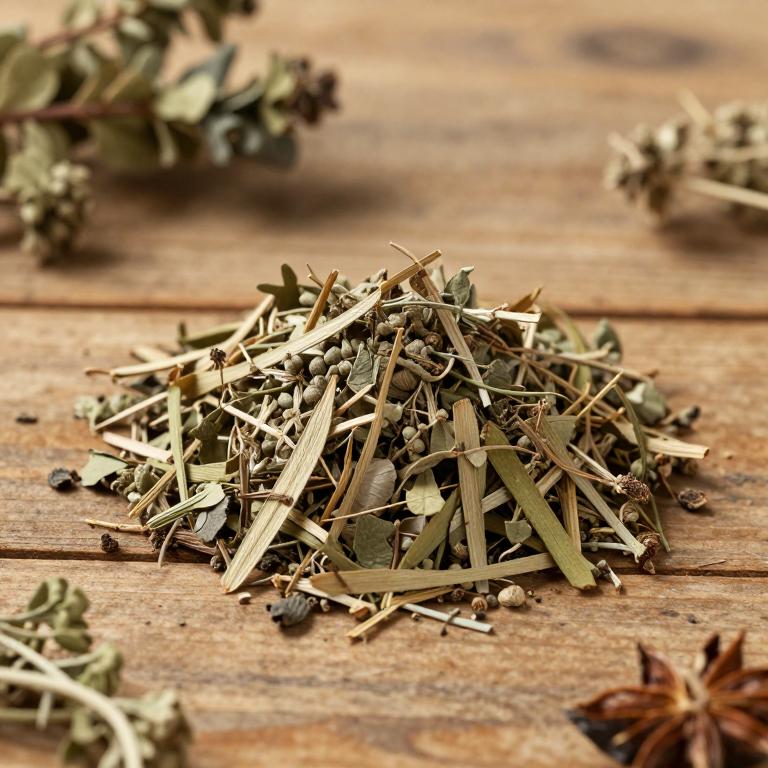
- Synonyms
- Oligosmilax · Pleiosmilax · 8 more
- Common names
- Not available
- Family
- Smilacaceae
- Distribution
- Not available
- Plant Parts
- Root
Classification
Common Names
Smilax is a versatile genus of climbing plants that is recognized by many different regional monikers. Depending on the local culture, it may be referred to by names such as Bakcho hollo or Bakchokchako. It is also widely celebrated under its more famous commercial labels, including Sarsaparil and Sarsaparilla. Some traditional records even list variations like Sarsaparillat to denote specific types of the plant. Regardless of the name used, this botanical group remains a significant part of herbal history.
Sources: Catalogue of Life (COL)
Synonyms
Smilax is a diverse genus that has historically been associated with several different botanical names. Throughout various taxonomic studies, it has been linked to synonyms such as Aniketon and Coprosmanthus. Researchers have also frequently encountered the names Dilax and Heterosmilax in older literature regarding these plants. Furthermore, the genus has occasionally been referred to as Nemexia in specific scientific contexts. Understanding these shifting classifications is essential for anyone studying the complex evolutionary history of the group.
Sources: The World Checklist of Vascular Plants (WCVP)
Taxonomy
Smilax is a fascinating botanical subject that belongs to the vast kingdom Plantae. Within this kingdom, the plant is specifically classified under the class Equisetopsida. It further falls into the order Liliales, showcasing its complex evolutionary ties. This plant is a primary member of the genus Smilax, which defines its unique characteristics. Finally, it is categorized under the family Smilacaceae, completing its detailed biological profile.
| Rank | Classification |
|---|---|
| Kingdom | Plantae |
| Phylum | Streptophyta |
| Class | Equisetopsida |
| Subclass | Magnoliidae |
| Order | Liliales |
| Family | Smilacaceae |
| Genus | Smilax |
Sources: The World Checklist of Vascular Plants (WCVP)
Distribution
Geographic Regions
Smilax exhibits a diverse geographical range that spans several key regions across the African continent. Within East Tropical Africa, the plant is established in the landscapes of Kenya, Tanzania, and Uganda. Its presence also extends westward to the Atlantic islands of Macaronesia. Specifically, populations can be found thriving in both the Azores and the Canary Islands. This widespread distribution highlights the adaptability of the genus across varied island and mainland environments.
Sources: The World Checklist of Vascular Plants (WCVP)
Identification
Biological Activities
Compounds
Conditions
Smilax was evaluated alongside several other traditional Chinese medicinal plants to determine its inhibitory effects on the proliferation of the hepatocellular carcinoma HepG2 cell line. During the screening process, researchers utilized the MTT assay to assess how effectively these various plant extracts could suppress cancer cell growth. While the study identified the n-butanol fraction of Entada phaseoloides as the most potent inhibitor, Smilax was among the extracts tested for its potential anticancer properties. The results indicated that the extracts from Smilax, along with Heliciopsis lobata, Bidens, and Plantago, showed reduced inhibitory effects on HepG2 cell proliferation when compared to the superior performance of Entada phaseoloides. Consequently, while Smilax was part of the investigation into treating HCC, it was less effective at reducing cell viability than the leading candidate.
Preparations
Smilax is prepared as extracts to investigate potential inhibitory effects on the proliferation of hepatocellular carcinoma HepG2 cell lines. Within these studies, Smilax is prepared as root extract to facilitate the screening of various medicinal plant substances. Research further indicates that Smilax is prepared as roots to allow for the assessment of different phytochemical constituents. These preparation methods are essential for evaluating how such plant materials interact with specific biological targets. Consequently, the use of Smilax in various forms supports the broader investigation of traditional medicinal plants.
Parts used
Smilax is often studied alongside other medicinal botanicals that utilize specific plant parts for their bioactive properties. In various pharmacological investigations, the root of plants like sarsaparilla has been identified as a significant source of therapeutic compounds. Research suggests that these root extracts can act as potent adjuvants, enhancing the effectiveness of immune responses. Furthermore, the presence of microbial associated molecular patterns within medicinal roots can play a crucial role in triggering host immunity. Understanding these complex relationships between plant parts and their biological activity is essential for advancing herbal medicine.