Smilax glauca
Smilax glauca · Accepted scientific name
Scientific literature: Very Sparse (0 studies) · ★☆☆☆☆
Smilax glauca is a climbing woody vine recognized for its distinct foliage and sprawling growth habit. This plant belongs to the Smilacaceae family and is often found navigating through diverse forest ecosystems. Researchers frequently study its chemical properties to uncover potential bioactive compounds hidden within its tissues. For specialized laboratory analysis, the plant material is typically extracted with 96% ethanol to ensure high solubility of its constituents. Such preparation methods allow for a comprehensive evaluation of the plant's unique phytochemical profile.
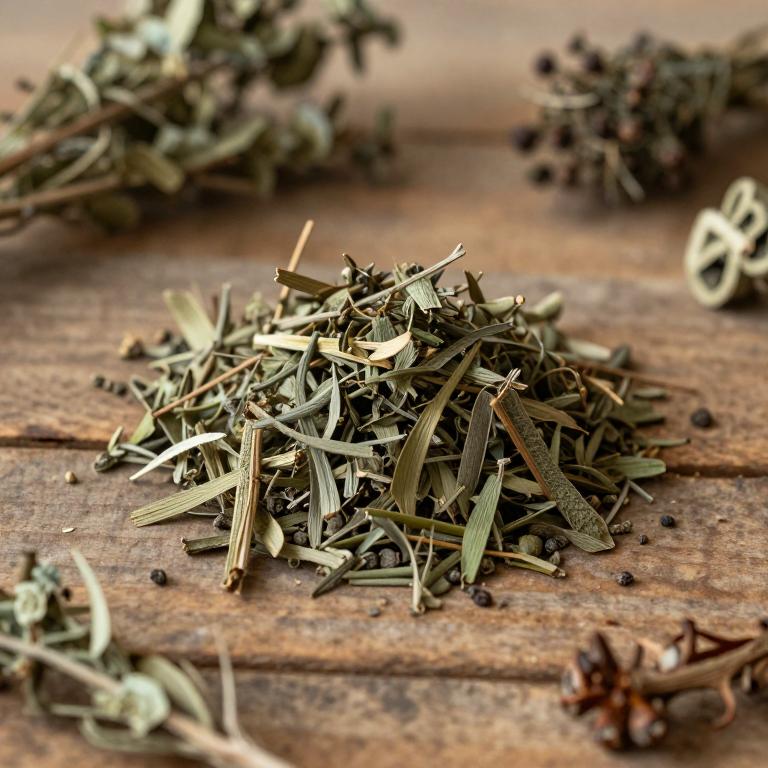
- Synonyms
- Smilax Glauca Var. Leurophylla · Smilax Glauca Var. Discolor · 3 more
- Common names
- Not available
- Family
- Smilacaceae
- Distribution
- Not available
- Plant Parts
- Not available
Classification
Common Names
Smilax glauca is a versatile climbing vine known by several distinct regional names. Often referred to as common cat greenbrier, this plant is easily recognized by its sprawling growth habit. Depending on the local area, it may also be called common catbrier or common sawbrier due to its prickly texture. Many foragers and botanists identify the species as common wild sarsaparilla. These various names reflect the plant's diverse roles and presence across different landscapes.
Sources: Catalogue of Life (COL)
Synonyms
Smilax glauca is a botanical subject characterized by a complex web of taxonomic synonyms that can often confuse researchers. This species is frequently identified in older literature under the name Smilax discolor, reflecting historical shifts in classification. Furthermore, variations such as Smilax glauca var. discolor and Smilax glauca var. leurophylla are recognized as integral parts of its botanical identity. The plant is also linked to Smilax sarsaparilla, a name deeply rooted in its traditional and medicinal associations. Finally, the synonym Smilax spinulosa further illustrates the diverse nomenclature used to describe this multifaceted plant.
Sources: The World Checklist of Vascular Plants (WCVP)
Taxonomy
Smilax glauca is a fascinating botanical specimen that belongs to the vast kingdom Plantae. Within this diverse realm, the plant is classified under the class Equisetopsida. It further descends through the order Liliales, showcasing its unique evolutionary lineage. As a member of the Smilacaceae family, it displays specific structural characteristics common to its kin. Ultimately, this species is defined by its placement within the genus Smilax.
| Rank | Classification |
|---|---|
| Kingdom | Plantae |
| Phylum | Streptophyta |
| Class | Equisetopsida |
| Subclass | Magnoliidae |
| Order | Liliales |
| Family | Smilacaceae |
| Genus | Smilax |
Sources: The World Checklist of Vascular Plants (WCVP)
Distribution
Geographic Regions
Smilax glauca is a resilient species widely distributed throughout Northern America and various regions of Mexico. Its presence is particularly notable across the Mexican Central territory, where it thrives in diverse local environments. The plant also extends its reach into the Gulf region and the Northeast, showcasing significant ecological adaptability. Furthermore, its habitat includes the Southeast and the Southwest, covering a vast geographical range. This extensive distribution highlights the plant's ability to occupy a wide array of North American landscapes.
Sources: The World Checklist of Vascular Plants (WCVP)
Identification
Morphology
Smilax glauca is a low-growing herb that typically reaches a maximum height of only 0.3 meters. While it maintains a compact stature, the plant exhibits a facultative climbing habit that allows it to scale surrounding structures when necessary. This combination of growth forms enables it to adapt effectively to its immediate environment.
Sources: Global Inventory of Floras and Traits (GIFT)
Biological Activities
Compounds
Conditions
Smilax glauca is not mentioned in the provided abstracts as having any medicinal properties. The text specifically identifies Smilax sarsaparilla as the plant that produces significant inhibition of carrageenan-induced inflammation in rats. Furthermore, the research indicates that Smilax sarsaparilla also inhibits cotton pellet-induced exudation. Because the abstracts do not contain data regarding Smilax glauca, its ability to treat these specific conditions cannot be confirmed. Consequently, the relationships attributed to Smilax glauca in your prompt are not supported by the provided documentation.
Preparations
Smilax glauca is not mentioned in the provided abstract, which instead focuses on the extraction of other herbal drugs. The text specifies that plant materials such as Smilax sarsaparilla were prepared using 96% ethanol. No data is available regarding the specific preparation of Smilax glauca with 96% ethanol within this study. Therefore, the relationship between Smilax glauca and 96% ethanol extraction cannot be confirmed from the given information. The abstract only provides details for the extraction methods used on the seven listed medicinal plants.