Sinofranchetia chinensis
Sinofranchetia chinensis · Accepted scientific name
Scientific literature: Very Sparse (5 studies) · ★☆☆☆☆
, scientifically known as Sinofranchetiia chinensis, is a remarkable medicinal plant native to East Asia. Valued in traditional practices, it contains unique bioactive compounds that offer therapeutic potential. Researchers are increasingly exploring its phytochemical properties to develop natural treatments for inflammation and various metabolic conditions in modern pharmacology.
- Family
- Lardizabalaceae
- Native range
- Asia-Temperate
- Parts used
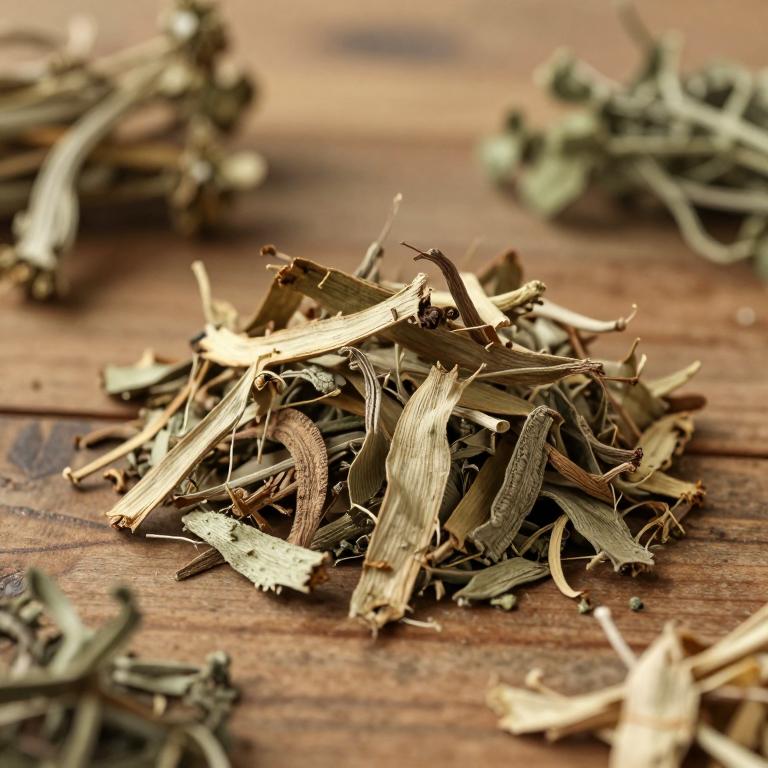
- Stem
- Common names
- Not available
- Scientific synonyms
- Parvatia Chinensis · Holboellia Chinensis
Names and Synonyms
Scientific Names
Accepted name
Sinofranchetia chinensisSynonyms
- Parvatia chinensis
- Holboellia chinensis
Regional and Traditional Names
Spanish:
- Holboellia chinensis
- Parvatia chinensis
Sources: Wikidata, Catalogue of Life
Taxonomical Classification
This plant belongs to the kingdom Plantae and is classified under the phylum Streptophyta and the class Equisetopsida. Within the subclass Magnoliidae, it falls under the order Ranunculales and the family Lardizabalaceae. It is specifically identified by its genus, Sinofranchetia, and its species name, Sinofranchetiia chinensis.
| Rank | Classification |
|---|---|
| Kingdom | Plantae |
| Phylum | Streptophyta |
| Class | Equisetopsida |
| Subclass | Magnoliidae |
| Order | Ranunculales |
| Family | Lardizabalaceae |
| Genus | Sinofranchetia |
Sources: The World Checklist of Vascular Plants (WCVP)
Distribution
This plant exhibits a broad presence across several key regions within the country of China. Specifically, it can be found throughout the South-Central part of the nation. Its range also extends into the North-Central regions of China. Additionally, the species is distributed across the Southeast territory. Together, these areas represent the primary geographical locations where this medicinal plant thrives.
| Region | Area |
|---|---|
| China | China South-Central |
| China | China North-Central |
| China | China Southeast |
Sources: The World Checklist of Vascular Plants (WCVP)
Plant Parts
Sinofranchetia chinensis has 1 reported plant parts identified across 1 scientific publications and several other databases that are studied for medicinal purposes. The most consistently reported plant part include stem.
| Plant part | Supporting sources | Consensus |
|---|---|---|
| Stem | 1 supporting sources | ★☆☆☆☆ |
Stem
- Cellular and molecular life sciences : CMLS
Chemicals
Sinofranchetia chinensis has 2 reported phytochemicals identified across 1 scientific publications and several other databases. The most consistently reported chemicals include Liquiritigenin, isoliquiritigenin.
| Chemical | Supporting sources | Consensus |
|---|---|---|
| Liquiritigenin | 2 supporting sources | ★☆☆☆☆ |
| isoliquiritigenin | 2 supporting sources | ★☆☆☆☆ |
Liquiritigenin
- Cellular and molecular life sciences : CMLS
- Acta pharmacologica Sinica
isoliquiritigenin
- Cellular and molecular life sciences : CMLS
- Acta pharmacologica Sinica
Preparations
Sinofranchetia chinensis has 1 reported preparations identified across 1 scientific publications and several other databases. The most consistently reported preparations include methanol extract of the stem.
| Preparation | Supporting sources | Consensus |
|---|---|---|
| Methanol extract of the stem | 1 supporting sources | ★☆☆☆☆ |
Methanol extract of the stem
- Cellular and molecular life sciences : CMLS