Silphium integrifolium
Silphium integrifolium · Accepted scientific name
Scientific literature: Very Sparse (1 studies) · ★☆☆☆☆
Silphium integrifolium is a distinctive perennial herb known for its striking appearance and robust growth in prairie habitats. Beyond its aesthetic value, this plant possesses remarkable biological properties that have drawn scientific interest. Specifically, it exhibits notable antifungal activities that can be harnessed for various therapeutic applications. To utilize these beneficial qualities, researchers often focus on the creation of concentrated essential oils. These preparations serve as a potent way to harness the plant's natural defensive compounds.
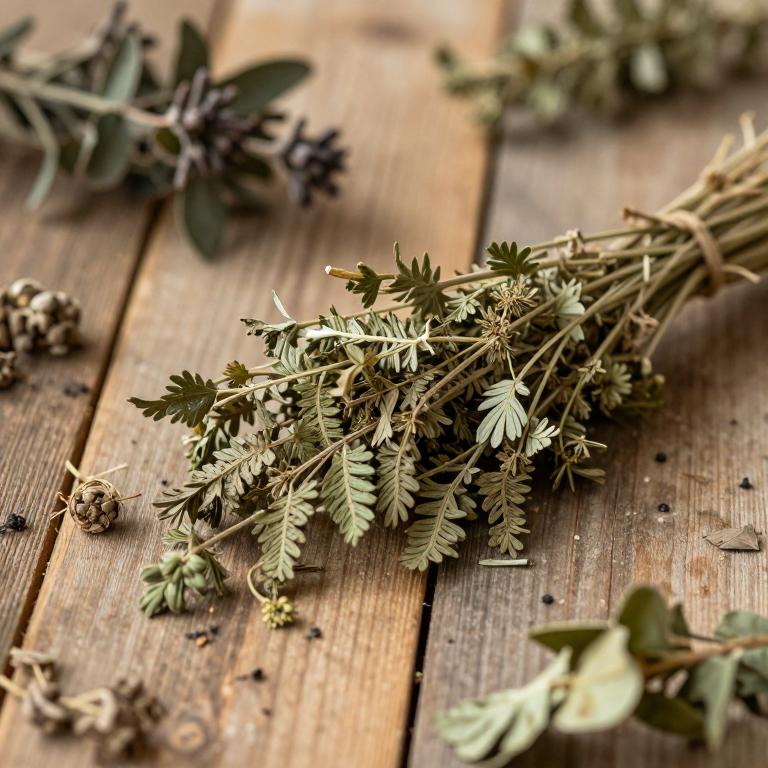
- Synonyms
- Not available
- Common names
- Not available
- Family
- Asteraceae
- Distribution
- Not available
- Plant Parts
- Not available
Classification
Common Names
Silphium integrifolium is a versatile wildflower known by several distinct names depending on the region and language. It is most frequently referred to in English as the wholeleaf rosinweed or simply rosinweed. Some enthusiasts also call it the prairie rosinweed to highlight its natural habitat. In German-speaking areas, the plant is commonly known as the Kompass-Pflanze. Additionally, it carries the charming local name preeriakompassikukka.
Sources: Catalogue of Life (COL)
Taxonomy
Silphium integrifolium is a fascinating member of the kingdom Plantae that showcases the incredible diversity of the natural world. As a representative of the class Equisetopsida, this plant belongs to the large and diverse order Asterales. Within this botanical framework, it is further classified under the genus Silphium. This specific classification places the species firmly within the widely recognized family Asteraceae. Understanding these hierarchical relationships provides essential insight into the biological identity of this unique specimen.
| Rank | Classification |
|---|---|
| Kingdom | Plantae |
| Phylum | Streptophyta |
| Class | Equisetopsida |
| Subclass | Magnoliidae |
| Order | Asterales |
| Family | Asteraceae |
| Genus | Silphium |
Sources: The World Checklist of Vascular Plants (WCVP)
Distribution
Geographic Regions
Silphium integrifolium is a resilient species widely distributed across much of Northern America. Its range extends northward into Eastern Canada and the province of Ontario. Moving south, the plant is commonly found throughout the North-Central United States. Specifically, it thrives within the landscapes of Illinois, Iowa, Kansas, and Missouri. This broad distribution highlights the plant's ability to adapt to various regional environments.
Sources: The World Checklist of Vascular Plants (WCVP)
Identification
Morphology
Silphium integrifolium grows in a classic herb form, characterized by its lush, non-woody foliage. As a self-supporting plant, it maintains its own upright structure without the need for external assistance or climbing supports.
Sources: Global Inventory of Floras and Traits (GIFT)
Biological Activities
Silphium integrifolium is one of the notable members of the Asteraceae family highlighted in recent ethnobotanical research. This plant was collected from wild-growing populations in north Alabama to explore its traditional medicinal potential. Through the process of hydrodistillation, researchers successfully extracted the essential oils from its aerial parts. These oils were subsequently subjected to rigorous in-vitro testing to determine their biological properties. Ultimately, the study confirmed that Silphium integrifolium possesses significant antifungal activity against various pathogens.
Compounds
Conditions
Preparations
Silphium integrifolium was among several native Asteraceae species collected from wild-growing plants in northern Alabama for scientific study. To extract its medicinal properties, the aerial parts of this specific plant underwent a process of hydrodistillation. This method was utilized to ensure that Silphium integrifolium is prepared as essential oils for chemical analysis. Once obtained, these essential oils were characterized using gas chromatography-mass spectrometry to determine their volatile compositions. The resulting oils were then evaluated to test their potential antifungal activities against various pathogens.