Silene
Silene · Accepted scientific name
Scientific literature: Very Sparse (0 studies) · ★☆☆☆☆
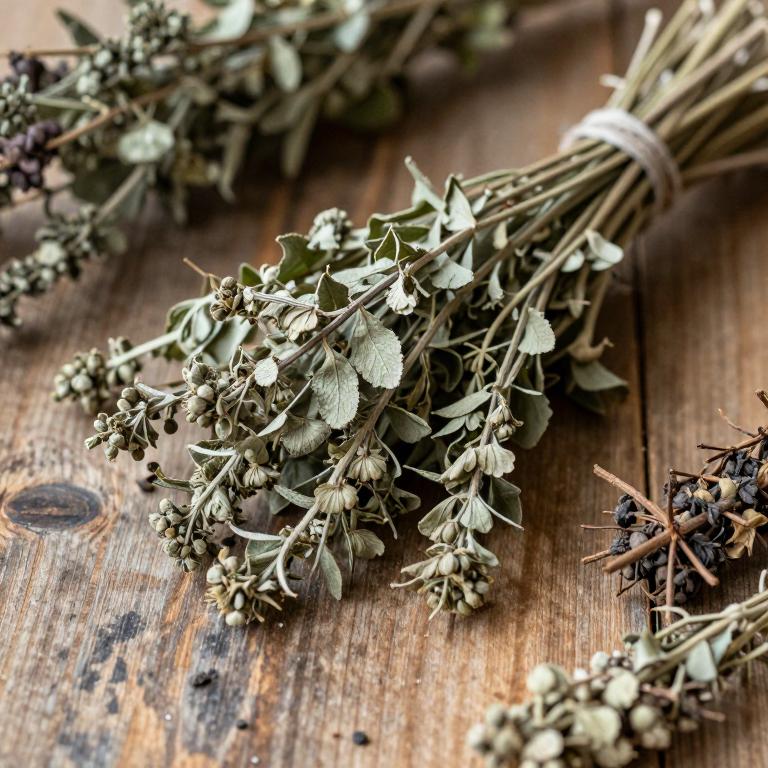
Silene is a diverse genus of flowering plants that encompasses a wide array of species found across various global habitats. These plants are often recognized for their delicate blooms and unique structural characteristics that vary significantly between species. In herbal traditions, certain varieties are valued for their potential therapeutic properties when utilized in specific preparations. Practitioners may utilize concentrated extracts or gentle infusions to harness the botanical qualities of the plant. Understanding the diverse applications of Silene is essential for anyone interested in the intersection of botany and natural wellness.
- Synonyms
- Diplogama · Alifiola · 46 more
- Common names
- Not available
- Family
- Caryophyllaceae
- Distribution
- Not available
- Plant Parts
- Not available
Classification
Common Names
Silene is a diverse genus of flowering plants that is known by a variety of different names across various regions. Many people commonly refer to these species as Campions, while others frequently call them Catchflies. In certain botanical circles, the plants are also identified by the name Colleja. Within Swedish contexts, you may even encounter them referred to as Glimsläktet. Ultimately, whether you call them Catchflies and Campions or use a different local moniker, these plants remain a fascinating subject of study.
Sources: Catalogue of Life (COL)
Synonyms
Silene is a diverse genus that has historically been categorized under various botanical names. Throughout taxonomic history, the plant has been associated with several synonyms, including Alifiola and Anotites. Researchers have also documented its relationship to the names Behenantha and Carpophora in older literature. Furthermore, the name Charesia has been utilized as a synonym within certain classifications. Understanding these various nomenclatural connections is essential for accurate botanical identification.
Sources: The World Checklist of Vascular Plants (WCVP)
Taxonomy
Silene belongs to the vast kingdom Plantae, encompassing a diverse range of photosynthetic organisms. Within this kingdom, it is classified under the class Equisetopsida, marking its place among the flowering plants. The plant is further organized into the order Caryophyllales, a group known for its unique botanical characteristics. It finds its specific familial home within the Caryophyllaceae, often referred to as the pink family. Ultimately, these relationships define its identity under the specific genus Silene.
| Rank | Classification |
|---|---|
| Kingdom | Plantae |
| Phylum | Streptophyta |
| Class | Equisetopsida |
| Subclass | Magnoliidae |
| Order | Caryophyllales |
| Family | Caryophyllaceae |
| Genus | Silene |
Sources: The World Checklist of Vascular Plants (WCVP)
Distribution
Geographic Regions
Silene exhibits a diverse geographical range that spans across multiple regions of the African continent. Within East Tropical Africa, the genus is notably distributed throughout Kenya, Tanzania, and Uganda. Beyond the mainland, its presence extends into the Macaronesia region, specifically flourishing in the Azores. The plant also finds a suitable habitat within the Canary Islands, showcasing its adaptability to island environments. This widespread distribution highlights the ecological versatility of the genus across various African landscapes.
Sources: The World Checklist of Vascular Plants (WCVP)
Identification
Biological Activities
Compounds
Conditions
Preparations
Silene is prepared as extracts in the study investigating the immunomodulatory effects of Egyptian medicinal plants. Specifically, methanolic extracts of Silene nocturna were administered to mice to enhance white blood cell counts and bone marrow cellularity. These extracts also played a crucial role in restoring resistance against lethal Candida albicans infections in immunosuppressed subjects. Additionally, the provided text indicates that Lychnis is prepared as an infusion to observe cardiotonic and diuretic effects in patients with circulation disorders. Together, these methods of preparation demonstrate how different plant forms are utilized for therapeutic evaluation.