Sideroxylon obtusifolium subsp. obtusifolium
Sideroxylon obtusifolium subsp. obtusifolium · Accepted scientific name
Scientific literature: Very Sparse (0 studies) · ★☆☆☆☆
Sideroxylon obtusifolium subsp. obtusifolium is a botanical species that has garnered significant scientific interest due to its unique phytochemical properties. Research has identified the presence of specific bioactive compounds within the plant, most notably bassic acid. When prepared as an ethanol extract from the root, these chemical constituents become highly concentrated for therapeutic study. Investigations into this preparation have focused primarily on its potential efficacy in managing the physiological conditions associated with Diabetes Mellitus. Consequently, this subspecies represents a promising subject in the ongoing search for natural medicinal interventions.
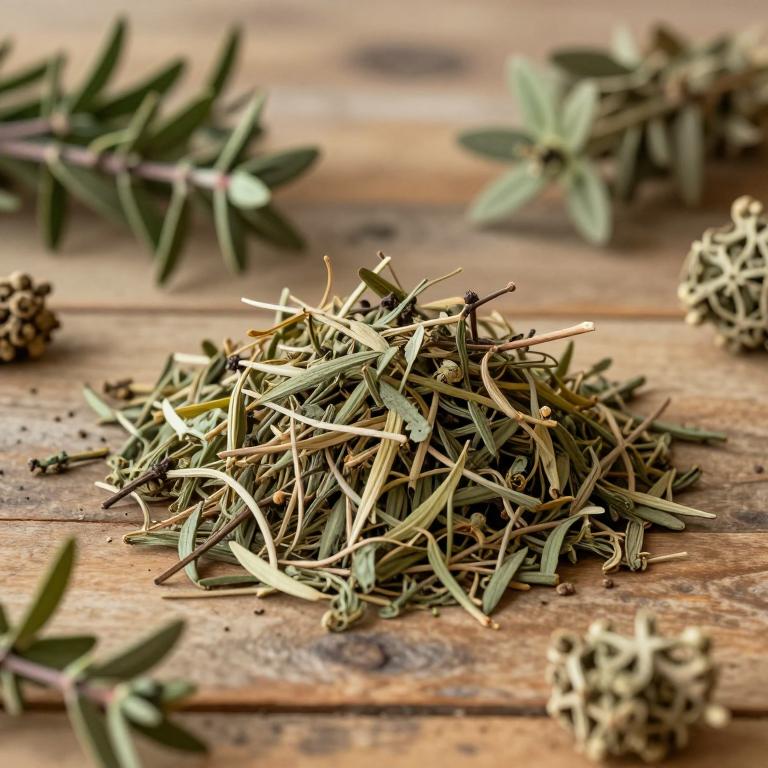
- Synonyms
- Bumelia Obtusifolia Subsp. Excelsa · Apterygia Sartorum · 9 more
- Common names
- Not available
- Family
- Sapotaceae
- Distribution
- Not available
- Plant Parts
- Root
Classification
Common Names
Sideroxylon obtusifolium subsp. obtusifolium is a distinctive botanical specimen widely recognized by its common name, Quixabeira. This particular subspecies plays a vital role in its native ecosystem, providing essential resources for local wildlife. Its unique characteristics and resilient nature make it a subject of significant interest for both botanists and environmentalists alike. Understanding the relationship between this plant and its surrounding habitat is crucial for effective conservation efforts. Ultimately, the Quixabeira serves as a cornerstone species that supports the complex biodiversity of its region.
Sources: Catalogue of Life (COL)
Synonyms
Sideroxylon obtusifolium subsp. obtusifolium is a botanical subject characterized by a complex web of taxonomic synonyms. Within scientific literature, this specific subspecies is frequently identified by the name Apterygia sartorum. It is also widely recognized under several names within the Bumelia genus, including Bumelia excelsa and Bumelia fragrans. Furthermore, researchers may encounter it listed as Bumelia obtusifolia subsp. excelsa or Bumelia obtusifolia var. excelsa. Navigating these various nomenclatural relationships is essential for accurate identification and study of the plant.
Sources: The World Checklist of Vascular Plants (WCVP)
Taxonomy
Sideroxylon obtusifolium subsp. obtusifolium belongs to the expansive kingdom Plantae, representing the diverse world of plant life. Within this kingdom, it is classified under the class Equisetopsida, a fundamental grouping for its biological structure. The specimen further falls into the order Ericales, which connects it to a wide variety of related botanical species. It is specifically categorized under the genus Sideroxylon, highlighting its unique evolutionary lineage. Finally, this subspecies is a member of the Sapotaceae family, anchoring its place within a distinct group of flowering plants.
| Rank | Classification |
|---|---|
| Kingdom | Plantae |
| Phylum | Streptophyta |
| Class | Equisetopsida |
| Subclass | Magnoliidae |
| Order | Ericales |
| Family | Sapotaceae |
| Genus | Sideroxylon |
Sources: The World Checklist of Vascular Plants (WCVP)
Distribution
Geographic Regions
Sideroxylon obtusifolium subsp. obtusifolium is a resilient plant species with a wide geographical reach across the tropical landscapes of Southern America. Its primary presence is heavily concentrated within Brazil, where it flourishes across the Northeast, South, and Southeast regions. The subspecies also maintains a significant foothold in the West-Central areas of the Brazilian territory. Beyond the borders of Brazil, its natural habitat extends into the Caribbean, specifically within the Venezuelan Antilles. This diverse distribution highlights the plant's ability to adapt to various ecological niches throughout the region.
Sources: The World Checklist of Vascular Plants (WCVP)
Identification
Biological Activities
Compounds
Sideroxylon obtusifolium subsp. obtusifolium contains bassic acid, a natural product that has demonstrated significant potential in managing blood sugar levels. This unsaturated triterpene acid, isolated from plant extracts, exhibits notable hypoglycemic activity in diabetic models. Research indicates that the compound functions by increasing glucose uptake and stimulating glycogen synthesis within muscle tissues. Furthermore, treatment with bassic acid has been shown to significantly raise plasma insulin levels. It is ultimately suggested that these glucose-lowering effects are mediated through the enhanced secretion of insulin from pancreatic beta-cells.
Conditions
Sideroxylon obtusifolium subsp. obtusifolium treats alloxan-diabetic rats by demonstrating significant hypoglycemic activity. This plant also treats diabetes mellitus through its ability to alter glucose tolerance patterns. Its therapeutic effects extend to the metabolic level, as it treats the glucose uptake process in skeletal muscle. Additionally, the plant treats glycogen synthesis by increasing this process in isolated tissues and inhibiting glycogenolysis in the liver. Finally, Sideroxylon obtusifolium subsp. obtusifolium treats inflammatory disorders by eliciting significant anti-inflammatory activity.
Preparations
Sideroxylon obtusifolium subsp. obtusifolium is_prepared_as ethanol extract. This specific preparation method is a key component of the botanical study. The resulting solution allows for the extraction of various chemical compounds. These substances are then evaluated for their potential pharmacological activities. Such processing is essential for analyzing the plant's medicinal properties.
Parts used
Sideroxylon obtusifolium subsp. obtusifolium possesses a root that serves as a significant component for pharmacological study. Research into the plant's root bark has revealed potent medicinal properties, particularly regarding its ability to influence glucose metabolism. Specifically, ethanol extracts from this part of the plant have demonstrated significant hypoglycemic effects in diabetic models. These studies suggest that active compounds, such as the triterpene acid known as bassic acid, may enhance insulin secretion and glucose uptake. Consequently, the root remains a vital area of interest for developing natural treatments for diabetes and inflammatory disorders.