Sideritis syriaca subsp. syriaca
Sideritis syriaca subsp. syriaca · Accepted scientific name
Scientific literature: Very Sparse (4 studies) · ★☆☆☆☆
Syrian sideritis, scientifically known as Sideritis syriaca subsp. syriaca, is a potent medicinal herb native to the Mediterranean region. Renowned for its aromatic properties, this plant is traditionally utilized in herbal medicine to support respiratory health, reduce inflammation, and provide antioxidant benefits, making it a valuable natural remedy.
- Family
- Lamiaceae
- Native range
- Europe
- Parts used
- Not available
- Common names
- Not available
- Scientific synonyms
- Navicularia Heisteri · Sideritis Boissieri
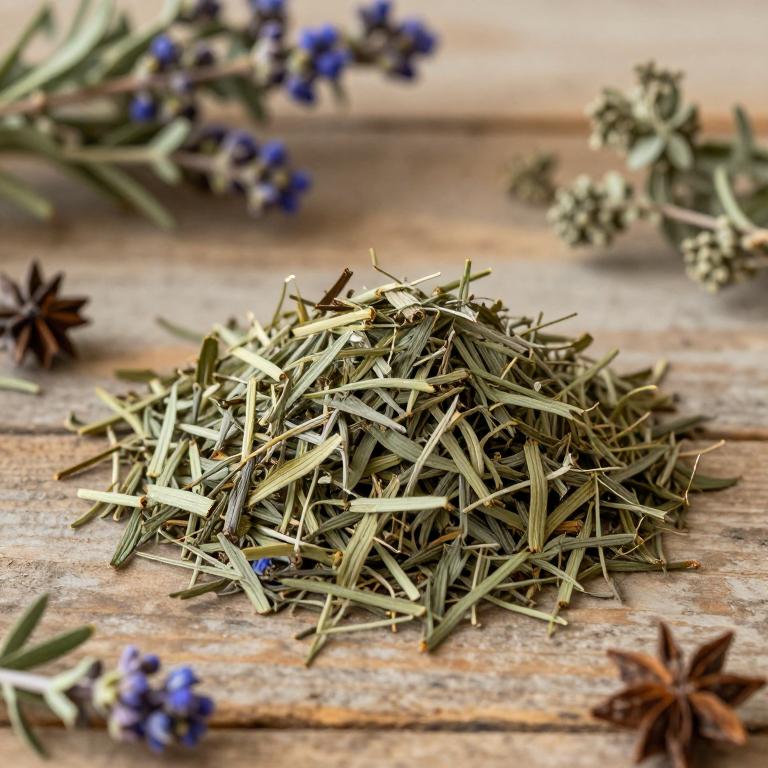
Names and Synonyms
Scientific Names
Accepted name
Sideritis syriaca subsp. syriacaSynonyms
- Navicularia heisteri
- Sideritis boissieri
Sources: Wikidata, Catalogue of Life
Taxonomical Classification
This plant, Sideritis syriaca subsp. syriaca, belongs to the kingdom Plantae and the phylum Streptophyta. Within the class Equisetopsida and subclass Magnoliidae, it is classified under the order Lamiales and the family Lamiaceae. Ultimately, it is identified by its specific genus, Sideritis.
| Rank | Classification |
|---|---|
| Kingdom | Plantae |
| Phylum | Streptophyta |
| Class | Equisetopsida |
| Subclass | Magnoliidae |
| Order | Lamiales |
| Family | Lamiaceae |
| Genus | Sideritis |
Sources: The World Checklist of Vascular Plants (WCVP)
Distribution
This plant exhibits a specific and localized geographical distribution within the Mediterranean region. Its presence is documented within the borders of Southeastern Europe. Specifically, the subspecies is found growing in the area of Kriti. This limited range highlights the unique environmental requirements necessary for its survival. Consequently, the plant remains a distinctive element of the local flora in this particular territory.
| Region | Area |
|---|---|
| Southeastern Europe | Kriti |
Sources: The World Checklist of Vascular Plants (WCVP)
Chemicals
Sideritis syriaca subsp. syriaca has 4 reported phytochemicals identified across 0 scientific publications and several other databases. The most consistently reported chemicals include CHLOROPHYLL, Carotenoids, Flavonoids, Phenols.
| Chemical | Supporting sources | Consensus |
|---|---|---|
| CHLOROPHYLL | 1 supporting sources | ★☆☆☆☆ |
| Carotenoids | 1 supporting sources | ★☆☆☆☆ |
| Flavonoids | 1 supporting sources | ★☆☆☆☆ |
| Phenols | 1 supporting sources | ★☆☆☆☆ |
CHLOROPHYLL
- International journal of molecular sciences
Carotenoids
- International journal of molecular sciences
Flavonoids
- International journal of molecular sciences
Phenols
- International journal of molecular sciences