Sideritis raeseri subsp. raeseri
Sideritis raeseri subsp. raeseri · Accepted scientific name
Scientific literature: Very Sparse (6 studies) · ★☆☆☆☆
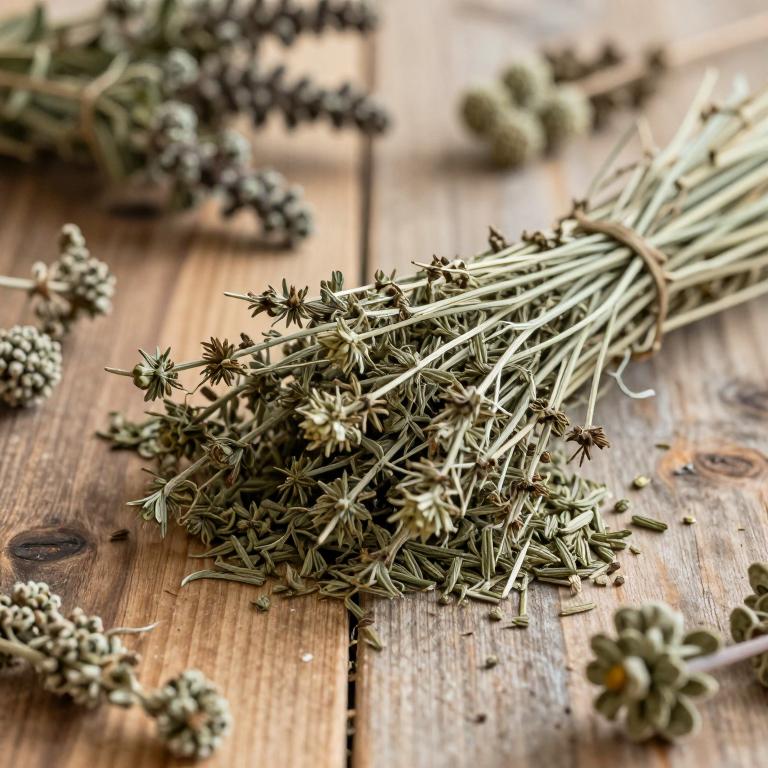
, scientifically known as Sideritis raeseri subsp. raeseri, is a resilient medicinal shrub native to specific Mediterranean landscapes. Valued for its aromatic properties, this subspecies contains bioactive compounds utilized in traditional herbal remedies. It plays a significant role in regional ethnobotany, offering potential therapeutic benefits for various health conditions.
- Family
- Lamiaceae
- Native range
- Europe
- Parts used
- Not available
- Common names
- Not available
- Scientific synonyms
- Not available
Names and Synonyms
Scientific Names
Accepted name
Sideritis raeseri subsp. raeseriTaxonomical Classification
This plant, taxonomically identified as Sideritis raeseri subsp. raeseri, belongs to the kingdom Plantae and the phylum Streptophyta. It is further classified within the class Equisetopsida and the subclass Magnoliidae, falling under the order Lamiales and the family Lamiaceae. Ultimately, its specific classification is defined by the genus Sideritis.
| Rank | Classification |
|---|---|
| Kingdom | Plantae |
| Phylum | Streptophyta |
| Class | Equisetopsida |
| Subclass | Magnoliidae |
| Order | Lamiales |
| Family | Lamiaceae |
| Genus | Sideritis |
Sources: The World Checklist of Vascular Plants (WCVP)
Distribution
This plant is primarily found across specific regions of Southeastern Europe. Its natural range includes the country of Albania, where it grows in suitable habitats. Additionally, the species can be located throughout various parts of Greece. It also maintains a presence within the northwestern Balkan Peninsula. These locations define the core geographical distribution of Sideritis raeseri subsp. raeseri.
| Region | Area |
|---|---|
| Southeastern Europe | Albania |
| Southeastern Europe | Greece |
| Southeastern Europe | NW. Balkan Pen. |
Sources: The World Checklist of Vascular Plants (WCVP)
Chemicals
Sideritis raeseri subsp. raeseri has 3 reported phytochemicals identified across 0 scientific publications and several other databases. The most consistently reported chemicals include CHLOROGENIC ACID, Flavonoids, Verbascoside.
| Chemical | Supporting sources | Consensus |
|---|---|---|
| CHLOROGENIC ACID | 1 supporting sources | ★☆☆☆☆ |
| Flavonoids | 1 supporting sources | ★☆☆☆☆ |
| Verbascoside | 1 supporting sources | ★☆☆☆☆ |
CHLOROGENIC ACID
- Plants (Basel, Switzerland)
Flavonoids
- Plants (Basel, Switzerland)
Verbascoside
- Plants (Basel, Switzerland)
Activities
Sideritis raeseri subsp. raeseri has 2 reported activities identified across 0 scientific publications and several other databases. The most consistently reported activities include Antimicrobial, Antioxidant.
| Activity | Supporting sources | Consensus |
|---|---|---|
| Antimicrobial | 1 supporting sources | ★☆☆☆☆ |
| Antioxidant | 1 supporting sources | ★☆☆☆☆ |
Antimicrobial
- Plants (Basel, Switzerland)
Antioxidant
- Plants (Basel, Switzerland)
Preparations
Sideritis raeseri subsp. raeseri has 6 reported preparations identified across 0 scientific publications and several other databases. The most consistently reported preparations include ethyl acetate fraction, hydroethanolic extract, n-butanol fraction, petroleum ether fraction, volatile oils.
| Preparation | Supporting sources | Consensus |
|---|---|---|
| Ethyl acetate fraction | 1 supporting sources | ★☆☆☆☆ |
| Hydroethanolic extract | 1 supporting sources | ★☆☆☆☆ |
| N-butanol fraction | 1 supporting sources | ★☆☆☆☆ |
| Petroleum ether fraction | 1 supporting sources | ★☆☆☆☆ |
| Volatile oils | 1 supporting sources | ★☆☆☆☆ |
| Water fraction | 1 supporting sources | ★☆☆☆☆ |
Ethyl acetate fraction
- Plants (Basel, Switzerland)
Hydroethanolic extract
- Plants (Basel, Switzerland)
N-butanol fraction
- Plants (Basel, Switzerland)
Petroleum ether fraction
- Plants (Basel, Switzerland)
Volatile oils
- Natural product communications
Water fraction
- Plants (Basel, Switzerland)