Sideritis perfoliata L.
Sideritis perfoliata · Accepted scientific name
Scientific literature: Very Sparse (31 studies) · ★☆☆☆☆
Sideritis perfoliata L., scientifically known as Sideritis perfoliata, is a versatile medicinal herb renowned for its potent therapeutic properties. Widely utilized in traditional medicine, this plant offers significant antioxidant and anti-inflammatory benefits. It is frequently employed to treat respiratory ailments, skin infections, and various inflammatory conditions throughout herbal practices.
- Family
- Lamiaceae
- Native range
- Europe
- Parts used
- Leaf
- Common names
- Not available
- Scientific synonyms
- Stachys Perfoliata · Navicularia Perfoliata
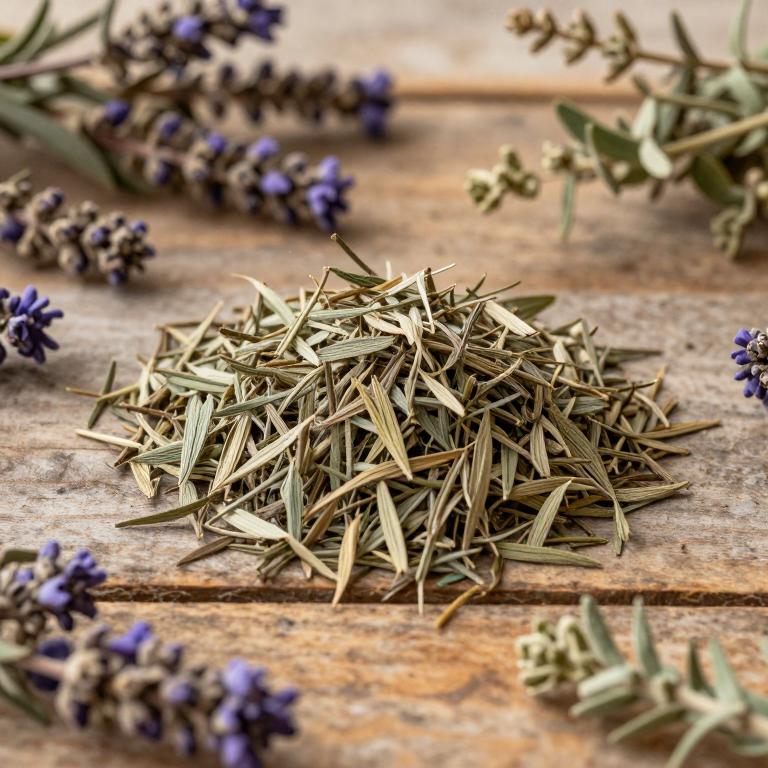
Names and Synonyms
Scientific Names
Accepted name
Sideritis perfoliataSynonyms
- Stachys perfoliata
- Navicularia perfoliata
Regional and Traditional Names
Spanish:
- Sideritis perfoliata L.
German:
- Sideritis perfoliata L.
French:
- Sideritis perfoliata L.
Sources: Wikidata, Catalogue of Life
Taxonomical Classification
This plant, Sideritis perfoliata, belongs to the kingdom Plantae and the phylum Streptophyta. It is classified under the class Equisetopsida and the subclass Magnoliidae, falling within the order Lamiales and the family Lamiaceae. Ultimately, it is identified by its specific genus, Sideritis.
| Rank | Classification |
|---|---|
| Kingdom | Plantae |
| Phylum | Streptophyta |
| Class | Equisetopsida |
| Subclass | Magnoliidae |
| Order | Lamiales |
| Family | Lamiaceae |
| Genus | Sideritis |
Sources: The World Checklist of Vascular Plants (WCVP)
Distribution
This plant is primarily distributed across several key regions within Southeastern Europe and Western Asia. In Southeastern Europe, its presence is documented in Greece as well as throughout the Northwestern Balkan Peninsula. Moving into Western Asia, the species can be found growing on the island of Cyprus. Its range further extends across the Levant, specifically within the territories of Lebanon and Syria. Finally, the geographical distribution of Sideritis perfoliata includes the region of Palestine.
| Region | Area |
|---|---|
| Southeastern Europe | Greece |
| Southeastern Europe | NW. Balkan Pen. |
| Western Asia | Cyprus |
| Western Asia | Lebanon-Syria |
| Western Asia | Palestine |
| Western Asia | Türkiye |
Sources: The World Checklist of Vascular Plants (WCVP)
Botanical Identification
Life history
The life history of Sideritis perfoliata is characterized by its status as a perennial plant, allowing it to persist through multiple growing seasons. In terms of its structural growth strategy and survival mechanism, the species is classified as a hemicryptophyte, meaning its perennable buds are located at or just below the soil surface, protected by leaf litter or organic debris during unfavorable periods. This life form, consistent across its developmental stages, enables the plant to effectively navigate seasonal environmental shifts while maintaining a stable presence in its habitat.
- Life form :
- hemicryptophyte
- Lifecycle :
- perennial
Morphology
The morphology of Sideritis perfoliata is characterized by its growth habit and ecological positioning, manifesting as a terrestrial plant that thrives in non-aquatic environments. Unlike climbing species, it is a self-supporting plant, maintaining its structural integrity without the need for external scaffolds or obligatory climbing mechanisms. Furthermore, it functions as an independent organism, lacking any parasitic tendencies toward host plants. It does not exhibit epiphytic behavior, as its life cycle is strictly terrestrial rather than being hosted upon other vegetation.
- Aquatic :
- terrestrial
- Climber :
- self-supporting
- Epiphyte :
- terrestrial
- Parasite :
- independent
Sources: Global Inventory of Floras and Traits (GIFT)
Plant Parts
Sideritis perfoliata has 1 reported plant parts identified across 1 scientific publications and several other databases that are studied for medicinal purposes. The most consistently reported plant part include leaf.
| Plant part | Supporting sources | Consensus |
|---|---|---|
| Leaf | 1 supporting sources | ★☆☆☆☆ |
Leaf
- Antioxidants (Basel, Switzerland)
Chemicals
Sideritis perfoliata has 12 reported phytochemicals identified across 1 scientific publications and several other databases. The most consistently reported chemicals include CU, FE, Flavonoids, MG, Phenols.
| Chemical | Supporting sources | Consensus |
|---|---|---|
| CU | 1 supporting sources | ★☆☆☆☆ |
| FE | 1 supporting sources | ★☆☆☆☆ |
| Flavonoids | 1 supporting sources | ★☆☆☆☆ |
| MG | 1 supporting sources | ★☆☆☆☆ |
| Phenols | 1 supporting sources | ★☆☆☆☆ |
| SYRINGIC ACID | 1 supporting sources | ★☆☆☆☆ |
| Valeranone | 1 supporting sources | ★☆☆☆☆ |
| ZN | 1 supporting sources | ★☆☆☆☆ |
| caffeic acid | 1 supporting sources | ★☆☆☆☆ |
| fumaric acid | 1 supporting sources | ★☆☆☆☆ |
CU
- Antioxidants (Basel, Switzerland)
FE
- Antioxidants (Basel, Switzerland)
Flavonoids
- Antioxidants (Basel, Switzerland)
MG
- Antioxidants (Basel, Switzerland)
Phenols
- Antioxidants (Basel, Switzerland)
SYRINGIC ACID
- International journal of clinical practice
Valeranone
- Antioxidants (Basel, Switzerland)
ZN
- Antioxidants (Basel, Switzerland)
caffeic acid
- International journal of clinical practice
fumaric acid
- International journal of clinical practice
Activities
Sideritis perfoliata has 6 reported activities identified across 1 scientific publications and several other databases. The most consistently reported activities include Antibacterial, Anticancer, Antioxidant, Antiproliferative, Antiwrinkle.
| Activity | Supporting sources | Consensus |
|---|---|---|
| Antibacterial | 1 supporting sources | ★☆☆☆☆ |
| Anticancer | 1 supporting sources | ★☆☆☆☆ |
| Antioxidant | 1 supporting sources | ★☆☆☆☆ |
| Antiproliferative | 1 supporting sources | ★☆☆☆☆ |
| Antiwrinkle | 1 supporting sources | ★☆☆☆☆ |
| Cytotoxic | 1 supporting sources | ★☆☆☆☆ |
Antibacterial
- Antioxidants (Basel, Switzerland)
Anticancer
- Antioxidants (Basel, Switzerland)
Antioxidant
- Antioxidants (Basel, Switzerland)
Antiproliferative
- Antioxidants (Basel, Switzerland)
Antiwrinkle
- Antioxidants (Basel, Switzerland)
Cytotoxic
- Antioxidants (Basel, Switzerland)
Conditions
Sideritis perfoliata has 11 reported investigations on conditions identified across 1 scientific publications and several other databases. The most consistently reported conditions include Cystic echinococcosis, Echinococcus granulosus, acne, cancer, cervical cancer.
| Condition | Supporting sources | Consensus |
|---|---|---|
| Cystic echinococcosis | 1 supporting sources | ★☆☆☆☆ |
| Echinococcus granulosus | 1 supporting sources | ★☆☆☆☆ |
| Acne | 1 supporting sources | ★☆☆☆☆ |
| Cancer | 1 supporting sources | ★☆☆☆☆ |
| Cervical cancer | 1 supporting sources | ★☆☆☆☆ |
| Hydatid cysts | 1 supporting sources | ★☆☆☆☆ |
| Hydatidosis | 1 supporting sources | ★☆☆☆☆ |
| Inflammation | 1 supporting sources | ★☆☆☆☆ |
| Liver cancer | 1 supporting sources | ★☆☆☆☆ |
| Tuberculosis | 1 supporting sources | ★☆☆☆☆ |
Cystic echinococcosis
- International journal of clinical practice
Echinococcus granulosus
- International journal of clinical practice
Acne
- Antioxidants (Basel, Switzerland)
Cancer
- Antioxidants (Basel, Switzerland)
Cervical cancer
- Antioxidants (Basel, Switzerland)
Hydatid cysts
- International journal of clinical practice
Hydatidosis
- International journal of clinical practice
Inflammation
- Antioxidants (Basel, Switzerland)
Liver cancer
- Antioxidants (Basel, Switzerland)
Tuberculosis
- Antioxidants (Basel, Switzerland)
Preparations
Sideritis perfoliata has 5 reported preparations identified across 1 scientific publications and several other databases. The most consistently reported preparations include chloroform, essential oil, methanol extract, methanol extracts, n-hexane.
| Preparation | Supporting sources | Consensus |
|---|---|---|
| Chloroform | 1 supporting sources | ★☆☆☆☆ |
| Essential oil | 1 supporting sources | ★☆☆☆☆ |
| Methanol extract | 1 supporting sources | ★☆☆☆☆ |
| Methanol extracts | 1 supporting sources | ★☆☆☆☆ |
| N-hexane | 1 supporting sources | ★☆☆☆☆ |
Chloroform
- Journal of ethnopharmacology
Essential oil
- Antioxidants (Basel, Switzerland)
Methanol extract
- International journal of clinical practice
Methanol extracts
- Journal of ethnopharmacology
N-hexane
- Journal of ethnopharmacology