Sideritis pauli
Sideritis pauli · Accepted scientific name
Scientific literature: Very Extensive (209 studies) · ★★★★★
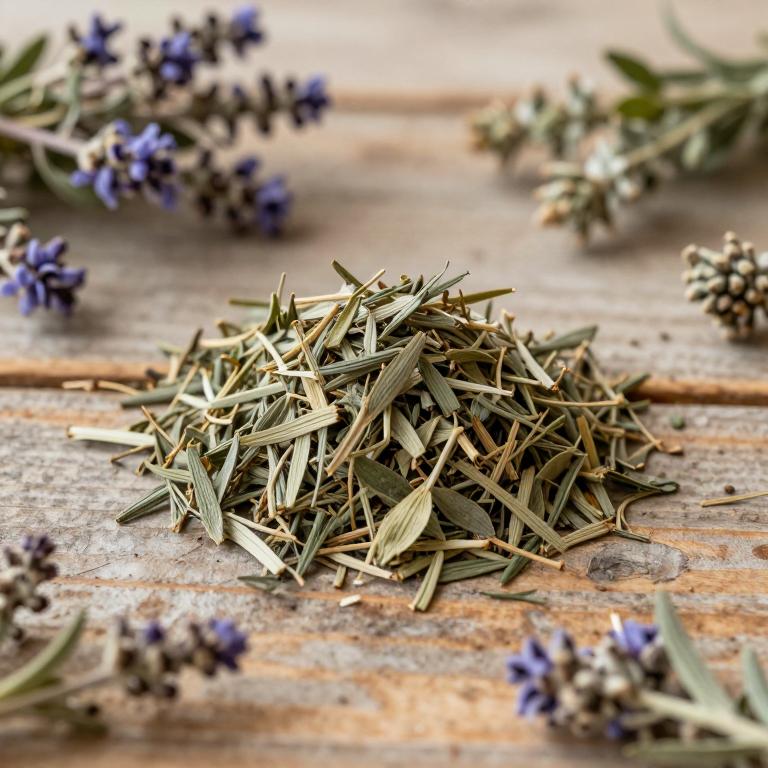
Scientifically known as Sideritis paulii, is a resilient perennial herb native to the Mediterranean region. Often referred to as ironwort, this plant is celebrated in traditional medicine for its potent antioxidant, anti-inflammatory, and antimicrobial properties. Its aromatic leaves are frequently brewed into soothing teas to support digestive and respiratory health.
- Family
- Not available
- Native range
- Europe
- Parts used
- Not available
- Common names
- Not available
- Scientific synonyms
- Not available
Names and Synonyms
Scientific Names
Accepted name
Sideritis pauliDistribution
This plant is specifically found within the southwestern region of Europe. Its documented geographical distribution is primarily concentrated in the country of Spain. Within this territory, it thrives in specific ecological niches suitable for its growth. This localized presence makes it a distinct component of the regional flora. Consequently, its natural habitat remains limited to these particular Mediterranean landscapes.
| Region | Area |
|---|---|
| Southwestern Europe | Spain |
Sources: The World Checklist of Vascular Plants (WCVP)
Botanical Identification
Life history
The life history of Sideritis pauli is characterized by its classification as a perennial plant, allowing it to persist through multiple growing seasons. In terms of its structural growth habit and survival strategy, it is categorized as a chamaephyte, meaning its regenerative buds are located close to or just above the soil surface, enabling it to withstand various environmental pressures. This life cycle and growth form allow the species to establish a stable presence within its specific ecological niche, navigating seasonal changes through its perennial nature and low-growing, hardy architecture.
- Life form :
- chamaephyte
- Lifecycle :
- annual
Morphology
The morphology of Sideritis pauli is characterized by a growth form classified as a herb, exhibiting a non-woody structure throughout its vegetative parts. This plant functions as a self-supporting climber, utilizing its growth habit to navigate its environment without requiring a host for nutrition, as it remains an independent organism. Furthermore, it is a terrestrial species, establishing its root system within the soil rather than growing as an epiphyte.
- Climber :
- self-supporting
- Epiphyte :
- terrestrial
- Growth form :
- herb
- Parasite :
- independent
- Woodiness :
- non-woody
Sources: Global Inventory of Floras and Traits (GIFT)
Chemicals
Sideritis pauli has 41 reported phytochemicals identified across 0 scientific publications and several other databases. The most consistently reported chemicals include 1,8-Cineole, ALPHA-PHELLANDRENE, ALPHA-PINENE, ALPHA-THUJENE, Alpha terpinene.
| Chemical | Supporting sources | Consensus |
|---|---|---|
| 1,8-Cineole | 1 supporting sources | ★☆☆☆☆ |
| ALPHA-PHELLANDRENE | 1 supporting sources | ★☆☆☆☆ |
| ALPHA-PINENE | 1 supporting sources | ★☆☆☆☆ |
| ALPHA-THUJENE | 1 supporting sources | ★☆☆☆☆ |
| Alpha terpinene | 1 supporting sources | ★☆☆☆☆ |
| Aromadendrene | 1 supporting sources | ★☆☆☆☆ |
| BETA-CARYOPHYLLENE | 1 supporting sources | ★☆☆☆☆ |
| BETA-PINENE | 1 supporting sources | ★☆☆☆☆ |
| CAMPHENE | 1 supporting sources | ★☆☆☆☆ |
| Calacorene | 1 supporting sources | ★☆☆☆☆ |
1,8-Cineole
- Dr. Duke
ALPHA-PHELLANDRENE
- Dr. Duke
ALPHA-PINENE
- Dr. Duke
ALPHA-THUJENE
- Dr. Duke
Alpha terpinene
- Dr. Duke
Aromadendrene
- Dr. Duke
BETA-CARYOPHYLLENE
- Dr. Duke
BETA-PINENE
- Dr. Duke
CAMPHENE
- Dr. Duke
Calacorene
- Dr. Duke
Activities
Sideritis pauli has 168 reported activities identified across 0 scientific publications and several other databases. The most consistently reported activities include (-)-Chronotropic, (-)-Inotropic, ACE-Inhibitor, AChE-Inhibitor, Acaricide.
| Activity | Supporting sources | Consensus |
|---|---|---|
| (-)-Chronotropic | 1 supporting sources | ★☆☆☆☆ |
| (-)-Inotropic | 1 supporting sources | ★☆☆☆☆ |
| ACE-Inhibitor | 1 supporting sources | ★☆☆☆☆ |
| AChE-Inhibitor | 1 supporting sources | ★☆☆☆☆ |
| Acaricide | 1 supporting sources | ★☆☆☆☆ |
| Aldose-Reductase-Inhibitor | 1 supporting sources | ★☆☆☆☆ |
| Allelochemic | 1 supporting sources | ★☆☆☆☆ |
| Allelopathic | 1 supporting sources | ★☆☆☆☆ |
| Allergenic | 1 supporting sources | ★☆☆☆☆ |
| Allergenic? | 1 supporting sources | ★☆☆☆☆ |
(-)-Chronotropic
- Dr. Duke
(-)-Inotropic
- Dr. Duke
ACE-Inhibitor
- Dr. Duke
AChE-Inhibitor
- Dr. Duke
Acaricide
- Dr. Duke
Aldose-Reductase-Inhibitor
- Dr. Duke
Allelochemic
- Dr. Duke
Allelopathic
- Dr. Duke
Allergenic
- Dr. Duke
Allergenic?
- Dr. Duke