Sideritis libanotica subsp. linearis
Sideritis libanotica subsp. linearis · Accepted scientific name
Scientific literature: Very Sparse (5 studies) · ★☆☆☆☆
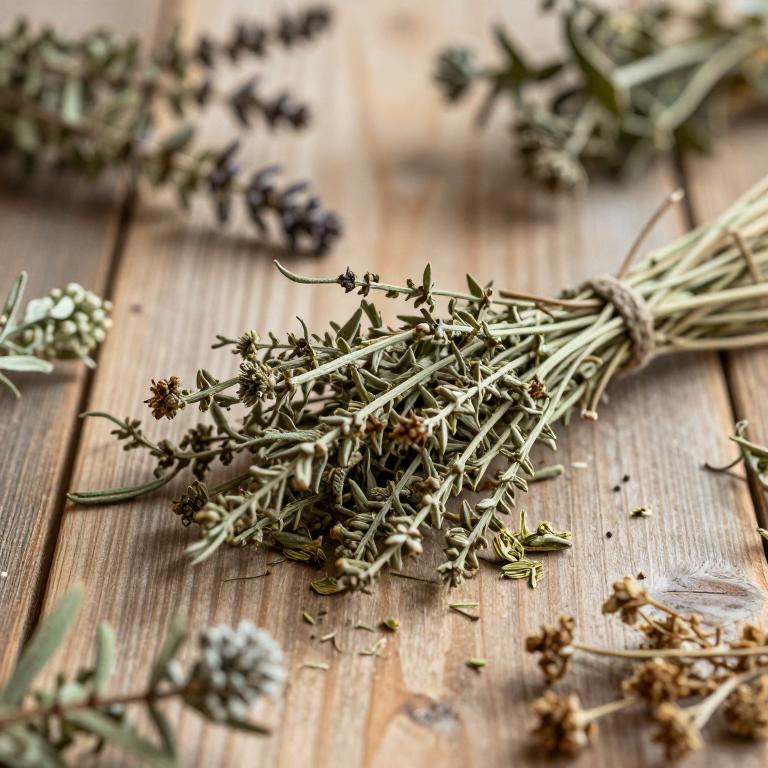
scientifically known as Sideritis libanotica subsp. linearis, is a remarkable medicinal shrub native to the Mediterranean. Renowned for its aromatic properties, this subspecies contains bioactive compounds used traditionally to treat respiratory ailments and digestive issues. Its unique floral structure and potent essential oils make it a significant botanical treasure.
- Family
- Lamiaceae
- Native range
- Asia-Temperate
- Parts used
- Flower · Leaf
- Common names
- Not available
- Scientific synonyms
- Sideritis Libanotica Var. Linearis · Sideritis Gracilis
Names and Synonyms
Scientific Names
Accepted name
Sideritis libanotica subsp. linearisSynonyms
- Sideritis libanotica var. linearis
- Sideritis gracilis
Sources: Wikidata
Taxonomical Classification
This plant, Sideritis libanotica subsp. linearis, belongs to the kingdom Plantae and the phylum Streptophyta. Within the class Equisetopsida and subclass Magnoliidae, it is classified under the order Lamiales and the family Lamiaceae. Ultimately, its taxonomic identity is defined by its placement within the genus Sideritis.
| Rank | Classification |
|---|---|
| Kingdom | Plantae |
| Phylum | Streptophyta |
| Class | Equisetopsida |
| Subclass | Magnoliidae |
| Order | Lamiales |
| Family | Lamiaceae |
| Genus | Sideritis |
Sources: The World Checklist of Vascular Plants (WCVP)
Distribution
This plant exhibits a specific geographical distribution primarily concentrated within the region of Western Asia. Its natural habitat spans across the territories of both Lebanon and Syria. Additionally, the species can be found growing within the borders of Türkiye. These specific locations define the ecological range where the subspecies is known to thrive. Consequently, its presence is limited to these particular areas of the Levant and surrounding Mediterranean landscapes.
| Region | Area |
|---|---|
| Western Asia | Lebanon-Syria |
| Western Asia | Türkiye |
Sources: The World Checklist of Vascular Plants (WCVP)
Plant Parts
Sideritis libanotica subsp. linearis has 2 reported plant parts identified across 2 scientific publications and several other databases that are studied for medicinal purposes. The most consistently reported plant part include flower, leaf.
| Plant part | Supporting sources | Consensus |
|---|---|---|
| Flower | 1 supporting sources | ★☆☆☆☆ |
| Leaf | 1 supporting sources | ★☆☆☆☆ |
Flower
- Journal of ethnobiology and ethnomedicine
Leaf
- Journal of ethnobiology and ethnomedicine
Chemicals
Sideritis libanotica subsp. linearis has 3 reported phytochemicals identified across 2 scientific publications and several other databases. The most consistently reported chemicals include caffeic acid, p-coumaric acid, rosmarinic acid.
| Chemical | Supporting sources | Consensus |
|---|---|---|
| caffeic acid | 1 supporting sources | ★☆☆☆☆ |
| p-coumaric acid | 1 supporting sources | ★☆☆☆☆ |
| rosmarinic acid | 1 supporting sources | ★☆☆☆☆ |
caffeic acid
- Frontiers in pharmacology
p-coumaric acid
- Frontiers in pharmacology
rosmarinic acid
- Frontiers in pharmacology