Sideritis argyrea
Sideritis argyrea · Accepted scientific name
Scientific literature: Very Sparse (0 studies) · ★☆☆☆☆
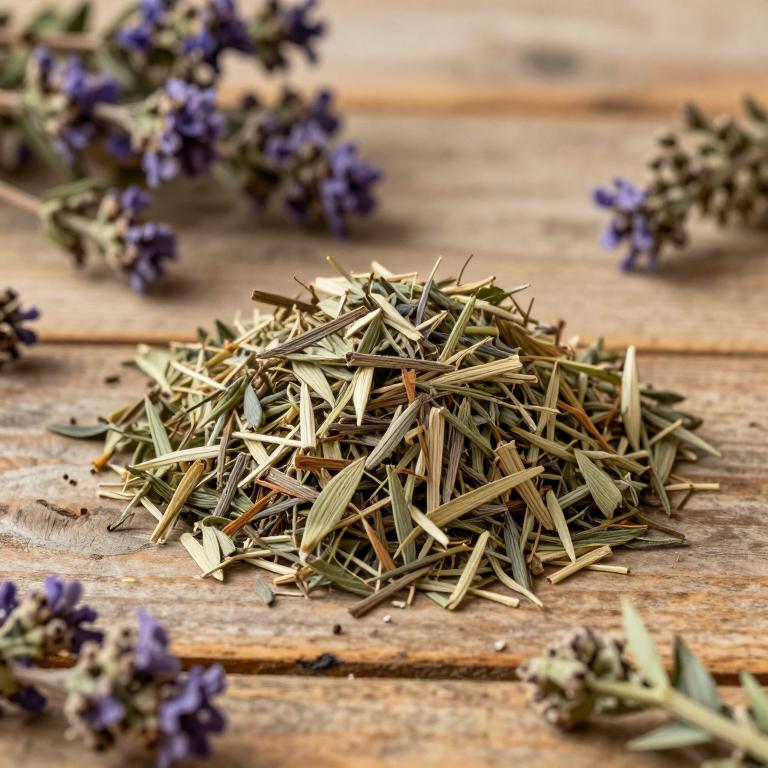
Sideritis argyrea is a distinctive perennial herb belonging to the Lamiaceae family, often found growing in rocky Mediterranean landscapes. This species is highly valued for its medicinal potential, particularly when the whole plant is utilized in traditional remedies. The silvery-gray foliage gives the plant its characteristic appearance, serving as a key identifier in the field. Practitioners frequently prepare infusions or decoctions using the entire botanical structure to extract its bioactive compounds. Understanding the holistic use of this plant is essential for exploring its unique pharmacological properties.
- Synonyms
- Not available
- Common names
- Not available
- Family
- Lamiaceae
- Distribution
- Not available
- Plant Parts
- Not available
Classification
Taxonomy
Sideritis argyrea is a distinctive botanical species belonging to the kingdom Plantae. Within this vast biological realm, it is classified under the class Equisetopsida. The plant further resides in the order Lamiales, showcasing its specific evolutionary lineage. It is a proud member of the Lamiaceae family, which characterizes its structural and chemical traits. Ultimately, this species is defined by its placement within the genus Sideritis.
| Rank | Classification |
|---|---|
| Kingdom | Plantae |
| Phylum | Streptophyta |
| Class | Equisetopsida |
| Subclass | Magnoliidae |
| Order | Lamiales |
| Family | Lamiaceae |
| Genus | Sideritis |
Sources: The World Checklist of Vascular Plants (WCVP)
Distribution
Geographic Regions
Sideritis argyrea is a distinct plant species primarily found within the Asia-Temperate climatic zone. Its natural distribution is concentrated across the diverse landscapes of Western Asia, showing a particular prevalence in Türkiye. This specific geographic range highlights the plant's adaptation to the unique environmental conditions of the region. Understanding its habitat is essential for researchers studying the biodiversity of these temperate territories. Consequently, the species remains a significant component of the local flora within its established ecological niche.
Sources: The World Checklist of Vascular Plants (WCVP)
Identification
Morphology
Sideritis argyrea is a self-supporting plant that maintains its own structure without the need for external assistance.
Sources: Global Inventory of Floras and Traits (GIFT)
Biological Activities
Compounds
Conditions
Preparations
Sideritis argyrea is prepared as a whole plant for the extraction of specific chemical compounds. Researchers utilized the entire organism to isolate various diterpenes, including known ent-kaurene structures. This process also led to the discovery of a new ent-labdane compound labeled as 10. The isolation of these substances from the whole plant required advanced NMR techniques and HRMS for structural elucidation. Consequently, the plant is used in its entirety to study its diverse diterpene profile.