Sida rhombifolia subsp. alnifolia
Sida rhombifolia subsp. alnifolia · Accepted scientific name
Scientific literature: Very Sparse (0 studies) · ★☆☆☆☆
Sida rhombifolia subsp. alnifolia is a botanical species that has gained significant attention for its potential therapeutic applications. Research into this plant often focuses on its medicinal properties, particularly in relation to metabolic health. Specifically, studies have explored its efficacy in managing conditions such as Diabetes Mellitus. These investigations frequently utilize the concentrated aerial part extracts to evaluate their bioactive compounds. Understanding these pharmacological effects is essential for advancing the plant's role in modern herbal medicine.
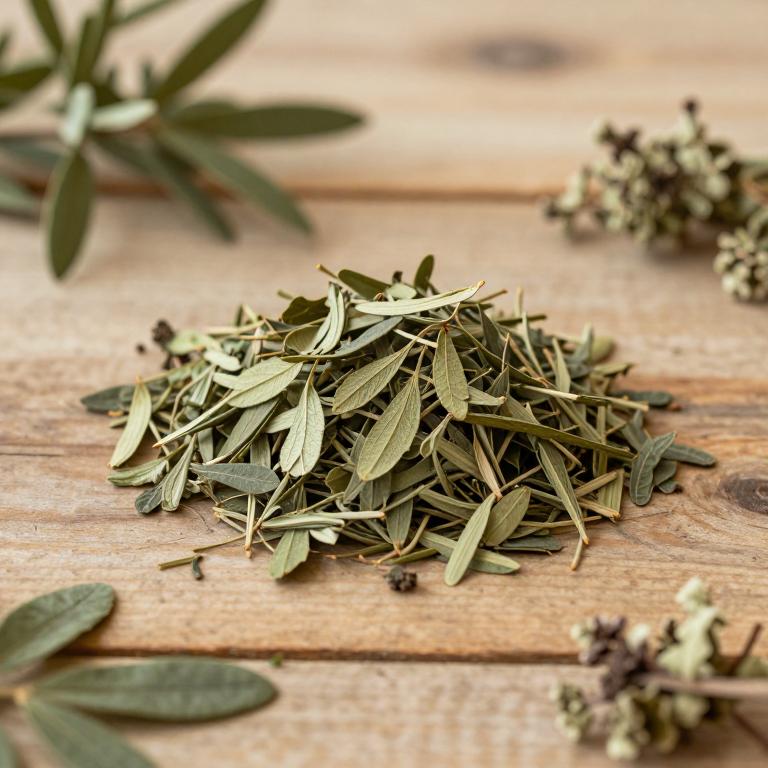
- Synonyms
- Sida Alnifolia Var. Microphylla · Sida Alnifolia · 5 more
- Common names
- Not available
- Family
- Malvaceae
- Distribution
- Not available
- Plant Parts
- Not available
Classification
Synonyms
Sida rhombifolia subsp. alnifolia is a botanical taxon that is frequently identified by several different scientific names. In various taxonomic records, this subspecies is recognized by the synonym Sida alnifolia. Its classification also encompasses several specific varieties, including Sida alnifolia var. microphylla, Sida alnifolia var. obovata, and Sida alnifolia var. orbiculata. Additionally, the plant is sometimes referred to in literature simply as Sida microphylla. Understanding these various synonym relationships is essential for accurate identification in botanical studies.
Sources: The World Checklist of Vascular Plants (WCVP)
Taxonomy
Sida rhombifolia subsp. alnifolia is a distinct botanical entity belonging to the vast kingdom Plantae. Within this biological hierarchy, the plant is classified under the class Equisetopsida. It further falls into the order Malvales, showcasing its evolutionary connections. This specific subspecies is a member of the genus Sida, which defines its unique morphological traits. Ultimately, it resides within the diverse family Malvaceae, highlighting its place in the natural world.
| Rank | Classification |
|---|---|
| Kingdom | Plantae |
| Phylum | Streptophyta |
| Class | Equisetopsida |
| Subclass | Magnoliidae |
| Order | Malvales |
| Family | Malvaceae |
| Genus | Sida |
Sources: The World Checklist of Vascular Plants (WCVP)
Distribution
Geographic Regions
Sida rhombifolia subsp. alnifolia exhibits a diverse geographic range that spans across multiple continents and climates. In Africa, this subspecies is notably found within West Tropical Africa, specifically in Benin, as well as across the Western Indian Ocean in Réunion. Its presence extends into the temperate regions of Asia, where it is well-established throughout various parts of China. Specifically, it thrives in the South-Central and Southeast provinces of the country. Additionally, the plant can be found in the tropical environment of Hainan, demonstrating its ability to adapt to different ecological niches.
Sources: The World Checklist of Vascular Plants (WCVP)
Identification
Biological Activities
Compounds
Conditions
Sida rhombifolia subsp. alnifolia demonstrates significant medicinal potential in the treatment of diabetes mellitus. Research indicates that aqueous extracts of this plant possess potent acute antihyperglycaemic activity. Specifically, the extract effectively treats alloxan induced diabetic rats by improving their metabolic response. The plant also shows a statistically significant, dose-dependent improvement on glucose tolerance. These findings support its traditional use as a therapeutic agent for managing diabetic conditions.
Preparations
Sida rhombifolia subsp. alnifolia is prepared as aerial part extracts to investigate its medicinal properties. In this specific study, these extracts were evaluated for their potential to treat diabetes mellitus. The researchers administered various doses of the plant extract to alloxan-induced diabetic rats. The results demonstrated that these aerial part extracts possess potent acute antihyperglycaemic activity. This finding highlights the efficacy of the prepared extracts in improving glucose tolerance.