Shorea
Shorea · Accepted scientific name
Scientific literature: Very Sparse (6 studies) · ★☆☆☆☆
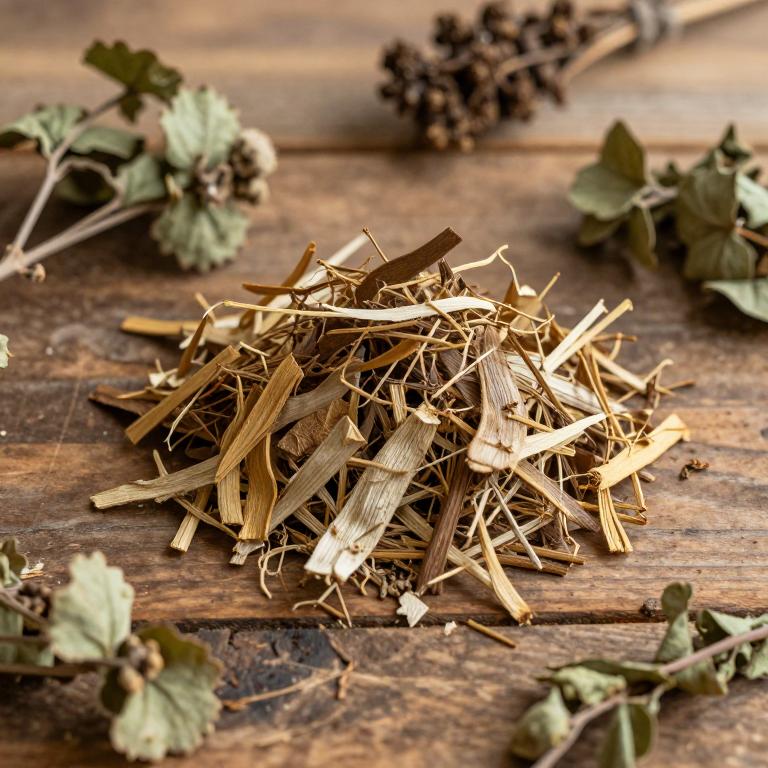
Shorea is a remarkable genus of plants renowned for its diverse medicinal properties and rich chemical composition. It contains vital bioactive compounds, including coumarins, flavonoids, steroids, and stilbenes, which contribute to its therapeutic strength. These chemical constituents provide powerful anticancer, antimicrobial, antioxidant, and antiulcer activities. Consequently, the plant is frequently utilized in traditional remedies to treat various conditions such as diarrhea, skin diseases, toothaches, and wounds. This makes Shorea a significant subject of interest for both natural healing and pharmacological research.
- Synonyms
- Pachychlamys · Parahopea · 2 more
- Common names
- Not available
- Family
- Dipterocarpaceae
- Distribution
- Not available
- Plant Parts
- Not available
Classification
Common Names
Shorea is a diverse genus of trees that is recognized by many different names depending on the region. It is commonly referred to as Shorean or damarzyk in various local contexts. Many people also know these trees by the name lawaan, which highlights their cultural significance. In the timber industry, they are frequently called meranti due to the quality of their wood. Additionally, they are sometimes identified as merantipuut to distinguish specific varieties within the group.
Sources: Catalogue of Life (COL)
Synonyms
Shorea is a diverse genus that has historically been classified under several different names in botanical literature. Throughout various taxonomic studies, it has been recognized by synonyms such as Caryolobis and Isoptera. Researchers have also frequently encountered the names Pachychlamys and Parahopea when navigating its complex evolutionary history. These overlapping designations reflect the evolving nature of plant classification and the deep complexities within the Dipterocarpaceae family. Understanding these synonymous relationships is essential for anyone conducting precise botanical or ecological research on the species.
Sources: The World Checklist of Vascular Plants (WCVP)
Taxonomy
Shorea belongs to the vast kingdom Plantae, representing a significant part of the world's diverse flora. Within this kingdom, it is classified under the class Equisetopsida and the order Malvales. This plant is further defined by its membership in the genus Shorea, which distinguishes its unique characteristics. It is most notably recognized as a key member of the Dipterocarpaceae family. Through these biological relationships, the plant's complex evolutionary history and botanical identity are clearly established.
| Rank | Classification |
|---|---|
| Kingdom | Plantae |
| Phylum | Streptophyta |
| Class | Equisetopsida |
| Subclass | Magnoliidae |
| Order | Malvales |
| Family | Dipterocarpaceae |
| Genus | Shorea |
Sources: The World Checklist of Vascular Plants (WCVP)
Distribution
Geographic Regions
Shorea displays a vast and diverse geographical range that spans across multiple Asian ecological zones. In temperate regions, the genus can be found extending through China and Tibet. Its tropical presence is equally significant, establishing deep roots across the Indian Subcontinent, including specific populations in India, Bangladesh, and Assam. Furthermore, the plant flourishes within the unique environments of the East Himalaya. This broad distribution highlights the adaptability of Shorea to both warm tropical climates and more temperate highland terrains.
Sources: The World Checklist of Vascular Plants (WCVP)
Identification
Biological Activities
Shorea represents a highly significant genus of trees within the Dipterocarpaceae family, particularly across Southeast Asia. Scientific research has revealed that the secondary metabolites found within these plants possess a diverse range of biological functions. Specifically, extracts from various species have demonstrated potent anticancer and antimicrobial activities. Furthermore, the genus is recognized for its significant antioxidant and antiulcer properties. The plant also provides valuable hepatoprotective benefits, highlighting its immense pharmacological potential.
Compounds
Shorea is a highly significant genus of trees in the Dipterocarpaceae family that possesses a diverse array of chemical constituents. Research has successfully isolated various secondary metabolites from these species, including coumarins and flavonoids. Furthermore, the genus is known to contain steroids that contribute to its complex phytochemical profile. A notable component of these plants is the presence of stilbenes, which are found in significant quantities. Specifically, the genus contains resveratrol and its various oligomers, which may account for many of its potent biological activities.
Conditions
Shorea species have a long history of traditional usage for treating various medical conditions. These plants are effectively used to manage diarrhea and alleviate toothaches. They also serve as a remedy for skin diseases and ear troubles. Additionally, extracts from the genus are applied to treat wounds. This diverse range of medicinal applications highlights the plant's importance in traditional healing.