Shorea obtusa
Shorea obtusa · Accepted scientific name
Scientific literature: Very Sparse (1 studies) · ★☆☆☆☆
Shorea obtusa, scientifically known as Shorea obtusa, is a significant tropical timber tree valued for its durable wood and ecological importance. Primarily found in Southeast Asian rainforests, this species offers medicinal potential through its various extracts, which are traditionally studied for their bioactive compounds and therapeutic properties in herbal medicine.
- Family
- Not available
- Native range
- Asia-Tropical
- Parts used
- Root
- Common names
- Not available
- Scientific synonyms
- Not available
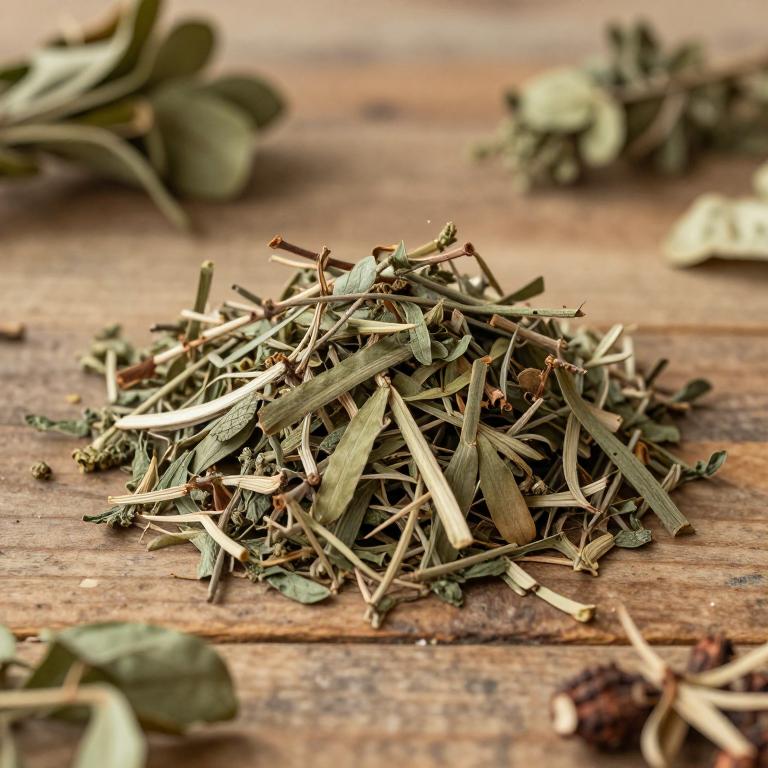
Names and Synonyms
Scientific Names
Accepted name
Shorea obtusaDistribution
This plant is primarily distributed across the diverse landscapes of the Indo-China region. Within this geographical area, it can be found growing in the tropical environments of Cambodia. The species also inhabits various habitats throughout Laos and Myanmar. Furthermore, its presence extends into the forested regions of Thailand. Finally, the natural range of this medicinal plant includes the country of Vietnam.
| Region | Area |
|---|---|
| Indo-China | Cambodia |
| Indo-China | Laos |
| Indo-China | Myanmar |
| Indo-China | Thailand |
| Indo-China | Vietnam |
Sources: The World Checklist of Vascular Plants (WCVP)
Botanical Identification
Life history
The life history of Shorea obtusa is characterized by its existence as a perennial organism, allowing it to maintain a long-term presence within its ecological niche. Throughout its developmental stages, the plant exhibits a deciduous nature, undergoing seasonal cycles where it sheds its foliage. This pattern of deciduousness is a key component of its biological rhythm, influencing its metabolic activity and resource management across different periods of the year.
- Deciduousness :
- deciduous
- Lifecycle :
- perennial
Morphology
The morphology of Shorea obtusa is characterized by its growth form as a woody tree, reaching a mean height of approximately 20 m. Although some classifications may distinguish between different climbing habits, this species is primarily categorized as a self-supporting plant rather than an obligatory or facultative liana or vine. As a robust woody tree, it exhibits a sturdy structure suitable for its stature within its ecological niche.
- Climber :
- self-supporting
- Growth form :
- tree
- Plant height mean:
- 20 m
- Woodiness :
- woody
Physiology
The physiology of Shorea obtusa is characterized by a C3 photosynthetic pathway, a common metabolic strategy in many woody tropical species that involves the direct fixation of carbon dioxide via the enzyme RuBisCO within the mesophyll cells. This pathway dictates its carbon assimilation efficiency and water-use patterns in its native forest habitats. Additionally, the plant is not a nitrogen fixer, meaning it lacks the specialized symbiotic relationships with diazotrophic bacteria required to convert atmospheric nitrogen into bioavailable forms, and instead relies on the uptake of nitrates and ammonium from the soil through its root system to satisfy its nutritional requirements.
- Nitrogen fixer :
- no
- Photosynthetic pathway :
- C3
Reproduction
The reproduction of Shorea obtusa is characterized by the production of seeds that exhibit highly consistent physical dimensions, specifically regarding their weight. Morphological data indicates a uniform seed mass across observed samples, with a mean seed mass of 0.34 g. This consistency is reflected in the extreme values of the dataset, as both the maximum and minimum recorded seed masses are identical at 0.34 g. Such precise standardization in seed mass suggests a highly regulated reproductive process within the species, ensuring that each offspring is equipped with a specific amount of nutrient reserves for initial germination and establishment.
- Seed mass mean:
- 0.34 g
Sources: Global Inventory of Floras and Traits (GIFT)
Plant Parts
Shorea obtusa has 1 reported plant parts identified across 1 scientific publications and several other databases that are studied for medicinal purposes. The most consistently reported plant part include root.
| Plant part | Supporting sources | Consensus |
|---|---|---|
| Root | 1 supporting sources | ★☆☆☆☆ |
Root
- The American journal of Chinese medicine
Preparations
Shorea obtusa has 1 reported preparations identified across 1 scientific publications and several other databases. The most consistently reported preparations include roots.
| Preparation | Supporting sources | Consensus |
|---|---|---|
| Roots | 1 supporting sources | ★☆☆☆☆ |
Roots
- The American journal of Chinese medicine