Shepherdia argentea
Shepherdia argentea · Accepted scientific name
Scientific literature: Very Sparse (0 studies) · ★☆☆☆☆
Shepherdia argentea is a distinctive plant species known for its unique chemical profile and botanical properties. Within its leaves, researchers have identified significant bioactive compounds such as Hippophaenin A and Strictinin. These specific chemical constituents are often studied through the use of a concentrated leaf extract. By examining these preparations, scientists can better understand the medicinal and biological potential of the species. Consequently, this plant serves as an important subject in the field of phytochemical investigation.
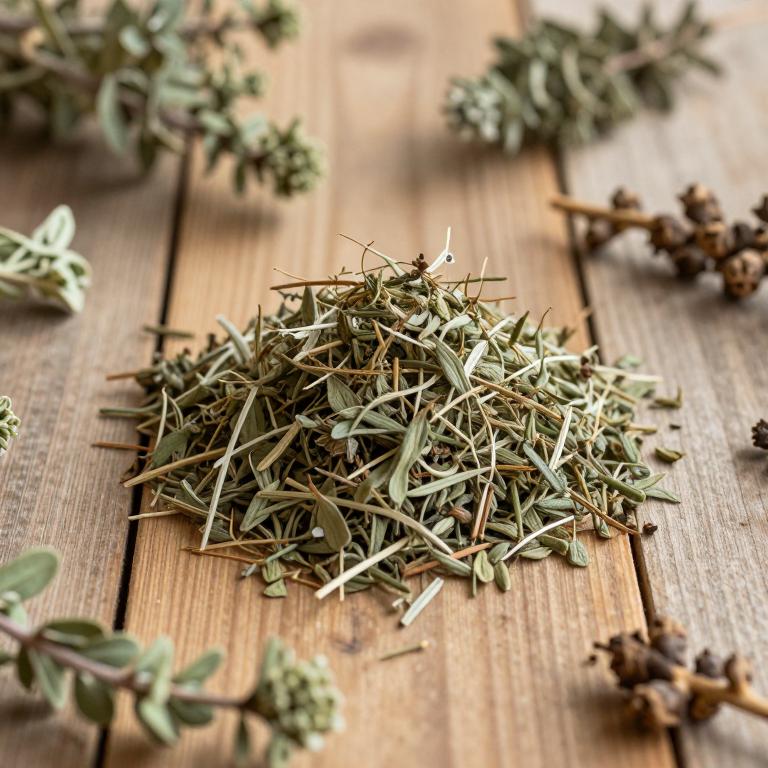
- Synonyms
- Elaeagnus Utilis · Hippophae Argentea · 1 more
- Common names
- Not available
- Family
- Elaeagnaceae
- Distribution
- Not available
- Plant Parts
- Leaf
Classification
Common Names
Shepherdia argentea is a versatile shrub known by a diverse array of names across different cultures and languages. In many regions, it is commonly referred to as the silver buffaloberry, highlighting its distinctive foliage. The plant also holds significant cultural importance, carrying the Mi'ksiníttsiim name. Various linguistic variations exist, such as the Spanish bizónka striebristá and the descriptive bisonbuske. Ultimately, these many titles, including buffalo shepherdia, reflect the deep historical connections between this species and the wildlife it supports.
Sources: Catalogue of Life (COL)
Synonyms
Shepherdia argentea is a botanical species that is recognized by several different scientific names within various taxonomic records. It is frequently identified by the synonym Elaeagnus utilis, reflecting its place within closely related botanical groups. Additionally, the plant is documented under the name Hippophae argentea in certain academic contexts. Researchers may also encounter this species referred to as Lepargyrea argentea depending on the specific classification system used. Understanding these diverse synonyms is essential for accurate identification and study in the field of botany.
Sources: The World Checklist of Vascular Plants (WCVP)
Taxonomy
Shepherdia argentea is a notable species belonging to the vast kingdom Plantae. Within this biological realm, it is classified under the class Equisetopsida. The plant further falls into the order Rosales, showcasing its evolutionary connections to other diverse species. As a member of the genus Shepherdia, it maintains a distinct botanical identity. Finally, it is categorized within the family Elaeagnaceae, completing its scientific profile.
| Rank | Classification |
|---|---|
| Kingdom | Plantae |
| Phylum | Streptophyta |
| Class | Equisetopsida |
| Subclass | Magnoliidae |
| Order | Rosales |
| Family | Elaeagnaceae |
| Genus | Shepherdia |
Sources: The World Checklist of Vascular Plants (WCVP)
Distribution
Geographic Regions
Shepherdia argentea is a resilient species found throughout much of Northern America. Within the North-Central United States, this plant maintains a significant presence across several key states. Its natural distribution includes the fertile landscapes of Iowa and Kansas. Furthermore, it can be frequently observed growing in the regions of Minnesota and Nebraska. The species also thrives across the expansive plains of North Dakota, completing its regional range.
Sources: The World Checklist of Vascular Plants (WCVP)
Identification
Morphology
Shepherdia argentea is a self-supporting plant that adopts a distinct tree growth form. This species typically reaches a maximum height of 5.19 meters as it matures. Its sturdy structure allows it to stand independently within its natural habitat.
Sources: Global Inventory of Floras and Traits (GIFT)
Biological Activities
Compounds
Shepherdia argentea serves as a rich source of diverse chemical compounds found within its leaf extracts. Scientific analysis has confirmed that this plant contains the specific constituents hippophaenin A and strictinin. These substances were isolated alongside newly identified hydrolyzable tannins known as shephagenins A and B. The presence of these various compounds contributes to the plant's overall pharmacological profile. Together, these phytochemicals play a critical role in the leaf extract's potent inhibitory activity against HIV-1 reverse transcriptase.
Conditions
Shepherdia argentea possesses leaf extracts containing specific hydrolyzable tannins that act as inhibitors against HIV-1 reverse transcriptase. Researchers isolated two new compounds, shephagenins A and B, which demonstrate remarkable inhibitory activity against this vital viral enzyme. These tannins feature a distinct gluconic acid core that contributes to their potent medicinal properties. The inhibitory effect observed in the plant extract is primarily driven by these identified tannins. Notably, the effectiveness of these compounds was found to be stronger than the positive control, (-)-epigallocatechin gallate.
Preparations
Shepherdia argentea is prepared as a leaf extract to facilitate the isolation of specific bioactive compounds. From this extract, researchers successfully identified new hydrolyzable tannins known as shephagenins A and B. These chemical constituents were also found alongside hippophaenin A and strictinin within the plant material. The resulting leaf extract demonstrates significant inhibitory activity against the HIV-1 reverse transcriptase enzyme. Ultimately, the potent medicinal properties observed in the extract are directly attributed to these isolated tannins.
Parts used
Shepherdia argentea serves as a significant source of bioactive compounds, particularly within its leaf structure. Researchers have successfully isolated new hydrolyzable tannins, known as shephagenins A and B, from the leaf extract of this plant. These specific compounds have demonstrated a remarkable ability to act as inhibitors against human immunodeficiency virus (HIV)-1 reverse transcriptase. The chemical analysis reveals that these tannins possess a unique gluconic acid core that contributes to their potent biological activity. Ultimately, the inhibitory effects found in the leaves proved to be even stronger than those of the positive control, (-)-epigallocatechin gallate.