Sesuvium revolutifolium
Sesuvium revolutifolium · Accepted scientific name
Scientific literature: Very Sparse (0 studies) · ★☆☆☆☆
Sesuvium revolutifolium is a distinctive succulent species that has garnered increasing interest in botanical and pharmacological research. This plant is frequently studied through the preparation of ethanol whole plant extracts to identify its bioactive components. Researchers utilize these ethanol extracts to explore the diverse chemical profiles inherent in the organism. Such studies aim to uncover the therapeutic potential hidden within its fleshy tissues and specialized structures. Understanding these preparations provides essential insights into the plant's overall biological capabilities.
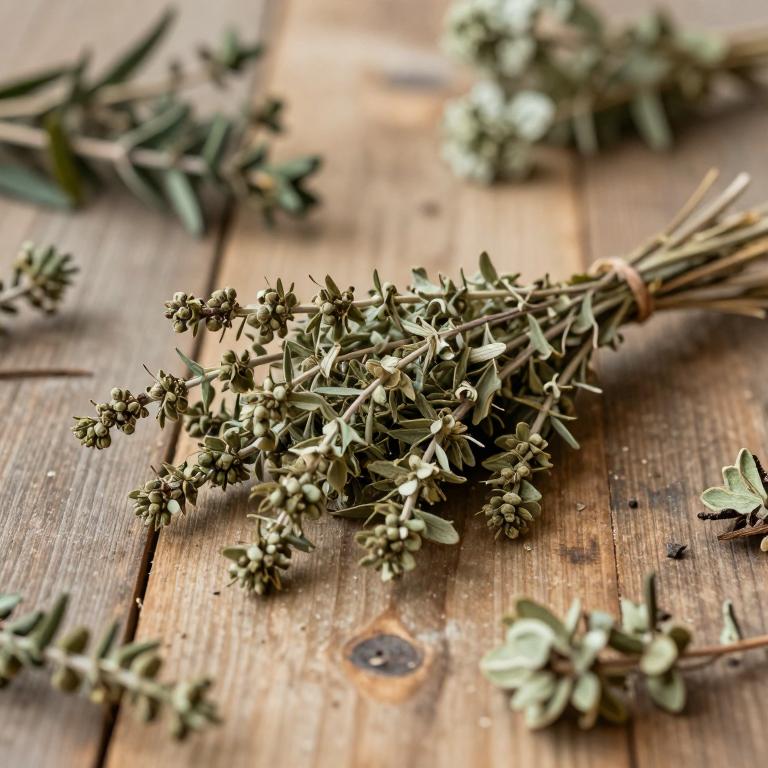
- Synonyms
- Sesuvium Americanum · Sesuvium Erectum · 5 more
- Common names
- Not available
- Family
- Aizoaceae
- Distribution
- Not available
- Plant Parts
- Not available
Classification
Common Names
Sesuvium revolutifolium is a unique succulent species widely recognized by its common name, verrucose sea purslane. This plant is characterized by its distinctive textured appearance, which gives rise to its descriptive moniker. As a member of the Aizoaceae family, it thrives in coastal environments where it plays a vital role in the local ecosystem. Its fleshy leaves and specialized structures allow it to adapt effectively to salty, saline conditions. Understanding its botanical relationships helps enthusiasts better appreciate its niche in the natural world.
Sources: Catalogue of Life (COL)
Synonyms
Sesuvium revolutifolium is a plant species characterized by a complex history of botanical nomenclature. Throughout various taxonomic studies, it has been identified by several different scientific names. For instance, it is recognized as a synonym to Sesuvium americanum and Sesuvium erectum. The species is also linked to Sesuvium ortegae and the specific variety Sesuvium portulacastrum var. revolutum. Furthermore, researchers frequently refer to it under its synonym, Sesuvium revolutum.
Sources: The World Checklist of Vascular Plants (WCVP)
Taxonomy
Sesuvium revolutifolium belongs to the expansive kingdom Plantae, showcasing the diverse beauty of the natural world. Within this kingdom, the species is classified under the class Equisetopsida, highlighting its distinct evolutionary lineage. It further belongs to the order Caryophyllales, a group known for its unique biological characteristics. As a member of the family Aizoaceae, it shares structural traits with many other specialized succulents. Ultimately, this plant is defined by its specific genus, Sesuvium, which distinguishes it from its botanical relatives.
| Rank | Classification |
|---|---|
| Kingdom | Plantae |
| Phylum | Streptophyta |
| Class | Equisetopsida |
| Subclass | Magnoliidae |
| Order | Caryophyllales |
| Family | Aizoaceae |
| Genus | Sesuvium |
Sources: The World Checklist of Vascular Plants (WCVP)
Distribution
Geographic Regions
Sesuvium revolutifolium displays a broad geographical range that spans across multiple continents and diverse coastal regions. In the African region, this species is found throughout Macaronesia, including the Canary Islands and Cape Verde. Its reach extends significantly into Asia-Temperate zones, particularly throughout the Arabian Peninsula and the Gulf States. Specific populations are also well-documented within Saudi Arabia and throughout the Western Asian landscape of Iran. This widespread distribution highlights the plant's ability to adapt to various environments across both Africa and Asia.
Sources: The World Checklist of Vascular Plants (WCVP)
Identification
Morphology
Sesuvium revolutifolium is characterized by its distinct herb growth form. This species functions as a self-supporting plant, maintaining its structure independently within its environment.
Sources: Global Inventory of Floras and Traits (GIFT)
Biological Activities
Compounds
Conditions
Sesuvium revolutifolium is not the specific species mentioned in the provided abstract regarding cytotoxic activity. The research instead focuses on the ethanol extracts of Sesuvium verrucosum to determine its biological impact. According to the brine shrimp bioassay, Sesuvium verrucosum demonstrated a marked and significant cytotoxic activity. This specific plant achieved an LC(50) value of 102.7 microg/mL during the testing process. Consequently, the study highlights the potent cytotoxic potential inherent in the Sesuvium verrucosum extracts.
Preparations
Sesuvium revolutifolium is prepared as ethanol whole plant extracts according to the specified relationships. This plant species is also processed as ethanol extracts for various studies. These preparation methods are central to understanding the chemical properties of the organism. The documentation focuses on these specific extraction techniques for the species. Consequently, both whole plant and standard ethanol extracts define the preparation protocols for this plant.