Sesamum
Sesamum · Accepted scientific name
Scientific literature: Very Sparse (0 studies) · ★☆☆☆☆
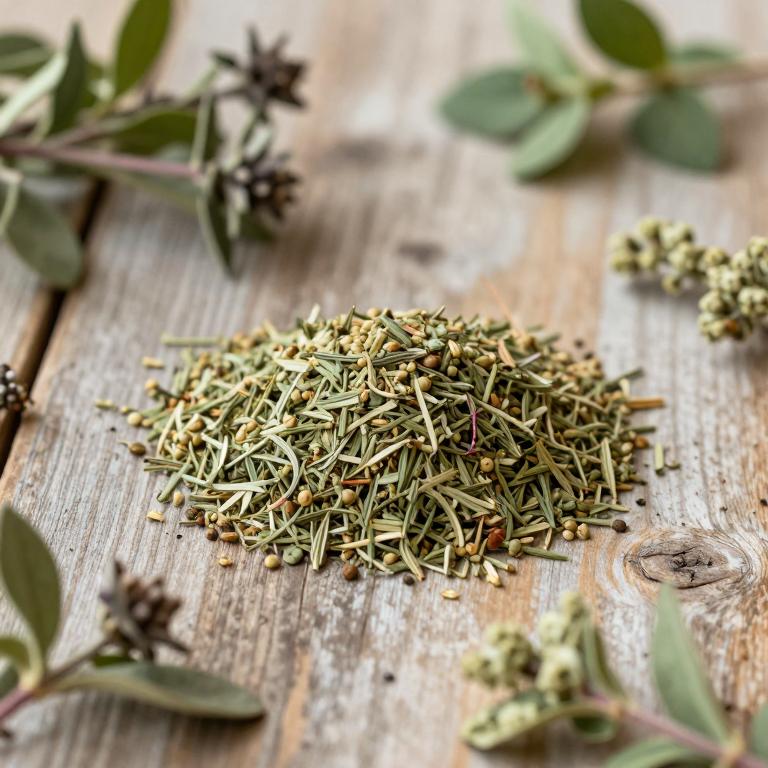
Sesamum is a versatile flowering plant widely recognized for producing oil-rich seeds used globally in culinary traditions. While the seeds are its most famous harvest, the plant features distinctive foliage that contributes to its overall growth pattern. The green leaves of the Sesamum plant serve as a vital part of its biological structure, facilitating essential photosynthesis. Understanding these botanical components is key to appreciating the plant's agricultural importance and life cycle. By examining everything from the stem to the leaf, one gains a complete view of this economically significant species.
- Synonyms
- Ceratotheca · Sporledera · 7 more
- Common names
- Not available
- Family
- Pedaliaceae
- Distribution
- Southern America
- Plant Parts
- Leaf
Classification
Common Names
Sesamum is a versatile plant that is known by many different names across various cultures and languages. While it is most frequently referred to as sesame, you may also encounter it spelled as sesam or sesames in different texts. In certain regions, the plant is recognized by the common name ajonjolí, reflecting its widespread global presence. Other linguistic variations include phonetic spellings such as seesam or sezami. Regardless of the specific name used, this important crop remains a vital staple in culinary traditions worldwide.
Sources: Catalogue of Life (COL)
Synonyms
Sesamum is a complex genus that has historically been associated with several different botanical names. Throughout various taxonomic studies, it has been recognized under synonyms such as Anthadenia and Ceratotheca. The plant's classification has also been linked to the names Dicerocaryum and Gangila in different scientific contexts. Furthermore, the synonym Josephinia has played a role in the evolving documentation of this group. Understanding these diverse nomenclatural relationships is essential for accurate botanical identification.
Sources: The World Checklist of Vascular Plants (WCVP)
Taxonomy
Sesamum belongs to the diverse kingdom Plantae, showcasing the vast complexity of the botanical world. Within this kingdom, it is classified under the class Equisetopsida and the order Lamiales. This plant is a distinguished member of the genus Sesamum, which defines its specific biological identity. Furthermore, it falls under the family Pedaliaceae, connecting it to a unique group of related species. Understanding these taxonomic relationships provides essential insight into the evolutionary lineage of this important crop.
| Rank | Classification |
|---|---|
| Kingdom | Plantae |
| Phylum | Streptophyta |
| Class | Equisetopsida |
| Subclass | Magnoliidae |
| Order | Lamiales |
| Family | Pedaliaceae |
| Genus | Sesamum |
Sources: The World Checklist of Vascular Plants (WCVP)
Distribution
Geographic Regions
Sesamum exhibits a widespread distribution across the diverse landscapes of the African continent. Its presence is particularly notable throughout East Tropical Africa, where it can be found thriving in Kenya, Tanzania, and Uganda. Beyond these eastern regions, the plant also occupies territories in Northeast Tropical Africa, specifically within Chad. Its reach extends even further toward the Atlantic, reaching the Macaronesia region and the islands of Cape Verde. This broad geographic range highlights the plant's adaptability to various African climates and environments.
Sources: The World Checklist of Vascular Plants (WCVP)
Identification
Biological Activities
Compounds
Conditions
Preparations
Parts used
Sesamum and its close relatives within the Pedaliaceae family, such as the genus Ceratotheca, are highly valued for their significant nutritional and pharmacological potential. Specifically, species like Ceratotheca sesamoides and triloba are utilized primarily as leafy vegetables due to their rich content of proteins, fats, and carbohydrates. These leaves are not only energy-dense but also exhibit impressive medicinal properties, including antibacterial and antiviral activities. However, while they offer great dietary benefits, researchers note that high concentrations of these extracts can demonstrate slight toxicity. Consequently, further studies are essential to ensure the safety and successful domestication of these important leafy crops.