Indian Sesame Oil Plant
Sesamum prostratum · Accepted scientific name
Scientific literature: Very Sparse (2 studies) · ★☆☆☆☆
Indian Sesame Oil Plant, scientifically known as Sesamum prostratum, is a low-growing, annual herb native to various tropical regions. Renowned in traditional medicine, it possesses diverse therapeutic properties. This plant is frequently utilized for its bioactive compounds, offering significant benefits in treating inflammatory conditions and supporting overall wellness.
- Family
- Pedaliaceae
- Native range
- Asia-Tropical
- Parts used
- Not available
- Common names
- Indian Sesame Oil Plant
- Scientific synonyms
- Volkameria Laciniata · Volkameria Prostrata · 1 more
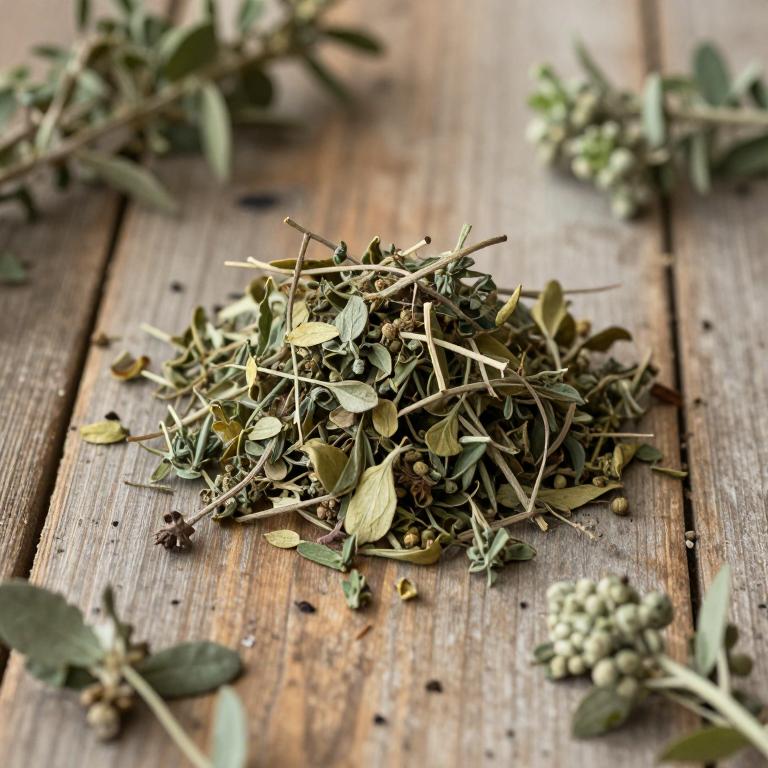
Names and Synonyms
Common Names
- Indian Sesame Oil Plant
Scientific Names
Accepted name
Sesamum prostratumSynonyms
- Volkameria laciniata
- Volkameria prostrata
- Sesamum laciniatum
Sources: Wikidata, Catalogue of Life
Taxonomical Classification
This plant, Sesamum prostratum, belongs to the kingdom Plantae and the phylum Streptophyta. Within the class Equisetopsida and subclass Magnoliidae, it is classified under the order Lamiales and the family Pedaliaceae. Finally, it is identified as a member of the genus Sesamum.
| Rank | Classification |
|---|---|
| Kingdom | Plantae |
| Phylum | Streptophyta |
| Class | Equisetopsida |
| Subclass | Magnoliidae |
| Order | Lamiales |
| Family | Pedaliaceae |
| Genus | Sesamum |
Sources: The World Checklist of Vascular Plants (WCVP)
Distribution
This plant exhibits a specific distribution pattern across several regions of the Indian Subcontinent. It is widely documented to occur within the various states of India. Furthermore, its presence is noted in the northeastern region of Assam. The geographical range also extends southward to include Sri Lanka. Consequently, these locations represent the primary areas where the species can be found growing in the wild.
| Region | Area |
|---|---|
| Indian Subcontinent | Assam |
| Indian Subcontinent | India |
| Indian Subcontinent | Sri Lanka |
Sources: The World Checklist of Vascular Plants (WCVP)
Chemicals
Sesamum prostratum has 2 reported phytochemicals identified across 0 scientific publications and several other databases. The most consistently reported chemicals include 1,2-benzenedicarboxylic acid, 3-ETHYL-4-METHYLHEXANE.
| Chemical | Supporting sources | Consensus |
|---|---|---|
| 1,2-benzenedicarboxylic acid | 1 supporting sources | ★☆☆☆☆ |
| 3-ETHYL-4-METHYLHEXANE | 1 supporting sources | ★☆☆☆☆ |
1,2-benzenedicarboxylic acid
- Plants (Basel, Switzerland)
3-ETHYL-4-METHYLHEXANE
- Plants (Basel, Switzerland)
Preparations
Sesamum prostratum has 3 reported preparations identified across 0 scientific publications and several other databases. The most consistently reported preparations include acetone extracts, ethanol extracts, ethyl acetate extracts.
| Preparation | Supporting sources | Consensus |
|---|---|---|
| Acetone extracts | 1 supporting sources | ★☆☆☆☆ |
| Ethanol extracts | 1 supporting sources | ★☆☆☆☆ |
| Ethyl acetate extracts | 1 supporting sources | ★☆☆☆☆ |
Acetone extracts
- Plants (Basel, Switzerland)
Ethanol extracts
- Plants (Basel, Switzerland)
Ethyl acetate extracts
- Plants (Basel, Switzerland)