Seneca root
Senega officinalis · Accepted scientific name
Scientific literature: Extensive (153 studies) · ★★★★☆
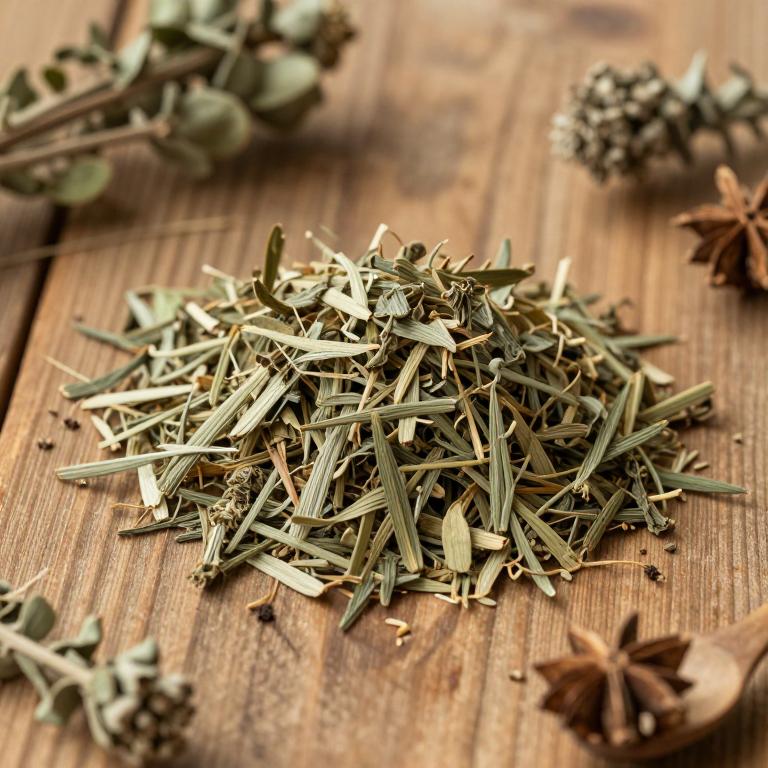
Senega root, scientifically known as Senega officiinalis, is a potent medicinal herb traditionally valued for its expectorant properties. Derived from the rhizomes of the Senega plant, it is primarily used to soothe respiratory ailments, helping to loosen mucus and relieve persistent coughs, making it a staple in herbal remedies.
Names and Synonyms
Common Names
- Seneca root
- Seneca snakeroot
- senega snakeroot
- senega-root
- sengaroot
Scientific Names
Accepted name
Senega officinalisSynonyms
- Polygala senega var. dentata
- Polygala lonchophylla
- Polygala senega
- Polygala senega var. albida
- Polygala senega var. latifolia
Regional and Traditional Names
French:
- polygala Sénéga
- polygala de Sénéca
- polygala sénéca
- polygale sénéca
- sénéca
Sources: Wikidata, Catalogue of Life
Taxonomical Classification
This plant belongs to the kingdom Plantae and is classified under the phylum Streptophyta and the class Equisetopsida. Within the subclass Magnoliidae, it is categorized under the order Fabales and the family Polygalaeaceae. Finally, its taxonomic identity is defined by the genus Senega.
| Rank | Classification |
|---|---|
| Kingdom | Plantae |
| Phylum | Streptophyta |
| Class | Equisetopsida |
| Subclass | Magnoliidae |
| Order | Fabales |
| Family | Polygalaceae |
| Genus | Senega |
Sources: The World Checklist of Vascular Plants (WCVP)
Distribution
This plant is found across several regions within Western Canada. Its distribution includes the provinces of Alberta and British Columbia. Additionally, it can be located in both Manitoba and Saskatchewan. Beyond the western part of the country, it also grows in Eastern Canada. Specifically, its range extends into the province of New Brunswick.
| Region | Area |
|---|---|
| Western Canada | Alberta |
| Western Canada | British Columbia |
| Western Canada | Manitoba |
| Western Canada | Saskatchewan |
| Eastern Canada | New Brunswick |
| Eastern Canada | Ontario |
| Eastern Canada | Québec |
| Northwestern U.S.A. | Wyoming |
| North-Central U.S.A. | Illinois |
| North-Central U.S.A. | Iowa |
Sources: The World Checklist of Vascular Plants (WCVP)
Plant Parts
Senega officinalis has 1 reported plant parts identified across 2 scientific publications and several other databases that are studied for medicinal purposes. The most consistently reported plant part include rhizome.
| Plant part | Supporting sources | Consensus |
|---|---|---|
| Rhizome | 2 supporting sources | ★☆☆☆☆ |
Rhizome
- Planta medica
- Journal of natural products
Chemicals
Senega officinalis has 35 reported phytochemicals identified across 2 scientific publications and several other databases. The most consistently reported chemicals include Tenuifolin, 3,4,5-TRIMETHOXYCINNAMIC ACID, 3,4-DIMETHOXYCINNAMIC ACID, D-Glucitol, Desmethoxysenegin II.
| Chemical | Supporting sources | Consensus |
|---|---|---|
| Tenuifolin | 2 supporting sources | ★☆☆☆☆ |
| 3,4,5-TRIMETHOXYCINNAMIC ACID | 1 supporting sources | ★☆☆☆☆ |
| 3,4-DIMETHOXYCINNAMIC ACID | 1 supporting sources | ★☆☆☆☆ |
| D-Glucitol | 1 supporting sources | ★☆☆☆☆ |
| Desmethoxysenegin II | 1 supporting sources | ★☆☆☆☆ |
| MONOTROPITOSIDE | 1 supporting sources | ★☆☆☆☆ |
| Manninotriose | 1 supporting sources | ★☆☆☆☆ |
| POLYGALITOL | 1 supporting sources | ★☆☆☆☆ |
| Polygalic acid | 1 supporting sources | ★☆☆☆☆ |
| RAFFINOSE | 1 supporting sources | ★☆☆☆☆ |
Tenuifolin
- Dr. Duke
- Journal of natural medicines
3,4,5-TRIMETHOXYCINNAMIC ACID
- Dr. Duke
3,4-DIMETHOXYCINNAMIC ACID
- Dr. Duke
D-Glucitol
- Dr. Duke
Desmethoxysenegin II
- Journal of natural products
MONOTROPITOSIDE
- Dr. Duke
Manninotriose
- Dr. Duke
POLYGALITOL
- Dr. Duke
Polygalic acid
- Dr. Duke
RAFFINOSE
- Dr. Duke
Activities
Senega officinalis has 115 reported activities identified across 2 scientific publications and several other databases. The most consistently reported activities include Acetylcholinergic, Aldose-Reductase-Inhibitor, Allelopathic, Allergenic, Analgesic.
| Activity | Supporting sources | Consensus |
|---|---|---|
| Acetylcholinergic | 1 supporting sources | ★☆☆☆☆ |
| Aldose-Reductase-Inhibitor | 1 supporting sources | ★☆☆☆☆ |
| Allelopathic | 1 supporting sources | ★☆☆☆☆ |
| Allergenic | 1 supporting sources | ★☆☆☆☆ |
| Analgesic | 1 supporting sources | ★☆☆☆☆ |
| Anaphrodisiac | 1 supporting sources | ★☆☆☆☆ |
| AntiUTI | 1 supporting sources | ★☆☆☆☆ |
| Antiadhesive | 1 supporting sources | ★☆☆☆☆ |
| Antiaggregant | 1 supporting sources | ★☆☆☆☆ |
| Antiallergic | 1 supporting sources | ★☆☆☆☆ |
Acetylcholinergic
- Dr. Duke
Aldose-Reductase-Inhibitor
- Dr. Duke
Allelopathic
- Dr. Duke
Allergenic
- Dr. Duke
Analgesic
- Dr. Duke
Anaphrodisiac
- Dr. Duke
AntiUTI
- Dr. Duke
Antiadhesive
- Dr. Duke
Antiaggregant
- Dr. Duke
Antiallergic
- Dr. Duke