Senega molluginifolia
Senega molluginifolia · Accepted scientific name
Scientific literature: Very Sparse (2 studies) · ★☆☆☆☆
Senega molluginifolia is a botanical species recognized for its diverse pharmacological potential in treating various medical conditions. Research indicates that its chemical profile is notably rich in isoflavones, which contribute to its therapeutic efficacy. When prepared as a hydroalcoholic extract or through HEPm methods, the plant demonstrates significant analgesic and antinociceptive activities. These properties make it a promising candidate for managing inflammation, pain, and the healing of wounds. Furthermore, its medicinal application extends to addressing complex issues related to central nervous system disorders.
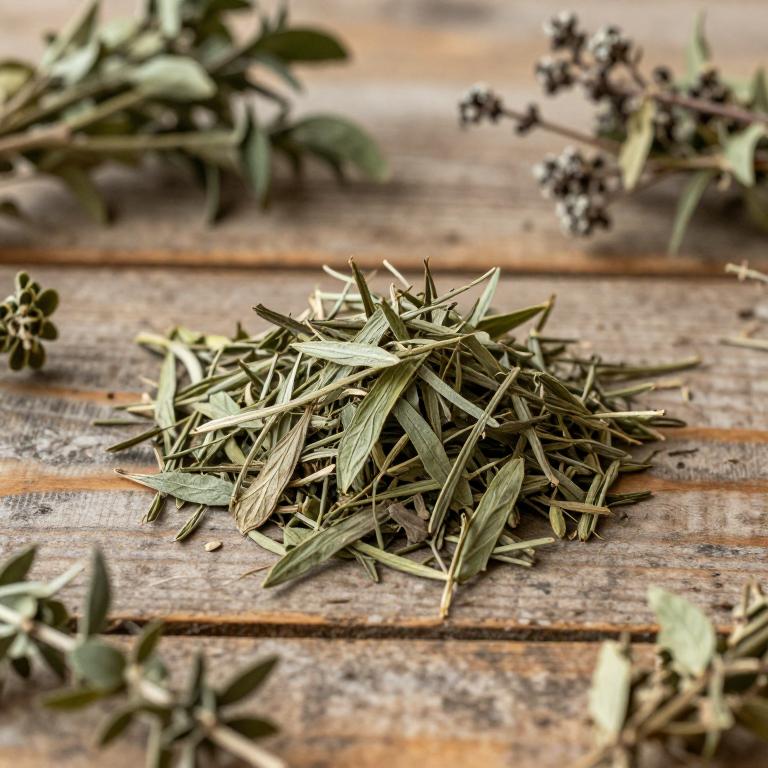
- Synonyms
- Polygala Areguensis · Polygala Areguensis F. Minor · 3 more
- Common names
- Not available
- Family
- Polygalaceae
- Distribution
- Southern America
- Plant Parts
- Not available
Classification
Synonyms
Senega molluginifolia is a complex botanical subject characterized by several taxonomic synonyms that reflect its diverse classification history. Researchers often encounter this species under the names Polygala areguensis and its specific variety, Polygala areguensis f. minor. The plant is also closely linked to Polygala galioides var. molluginifolia, illustrating its intricate relationship with related taxa. Furthermore, historical records frequently refer to the specimen as Polygala molluginifolia within various scientific databases. Finally, the synonym Polygala orthiocarpa serves as another important identifier within the shifting landscape of its nomenclature.
Sources: The World Checklist of Vascular Plants (WCVP)
Taxonomy
Senega molluginifolia is a distinctive botanical specimen that belongs to the kingdom Plantae. Within this vast realm, it is classified under the class Equisetopsida. The plant is further organized into the order Fabales, showcasing its specific evolutionary lineage. It is a member of the Polygalaceae family, which highlights its unique biological characteristics. Ultimately, this species is identified by its placement within the genus Senega.
| Rank | Classification |
|---|---|
| Kingdom | Plantae |
| Phylum | Streptophyta |
| Class | Equisetopsida |
| Subclass | Magnoliidae |
| Order | Fabales |
| Family | Polygalaceae |
| Genus | Senega |
Sources: The World Checklist of Vascular Plants (WCVP)
Distribution
Geographic Regions
Senega molluginifolia is widely distributed across various regions of Southern America. Its presence is notably established in Brazil, spanning both the southern and southeastern territories of the country. Moving further south, the species can be found throughout the diverse landscapes of Southern South America. Within Argentina, it inhabits both the northeast and northwest sectors of the nation. Additionally, the plant maintains a significant distribution within the borders of Paraguay.
Sources: The World Checklist of Vascular Plants (WCVP)
Identification
Biological Activities
Senega molluginifolia, also known as Polygala molluginifolia, has demonstrated significant therapeutic potential through its documented analgesic and antinociceptive activities. Research indicates that both its hydroalcoholic extract and isolated isoflavones can effectively inhibit neurogenic and inflammatory pain in animal models. These studies show that the plant's components reduce mechanical and thermal hyperalgesia without causing sedation or affecting locomotor activity. The underlying mechanism appears to involve the activation of opioid receptors and the inhibition of specific ion channels like TRPV1 and TRPA1. Consequently, these findings highlight the plant's promising role in the future development of new phytomedicines for pain management.
Compounds
Senega molluginifolia, also known as Polygala molluginifolia, serves as a significant source of bioactive compounds used in traditional medicine. Scientific analysis has confirmed that this plant contains a specific isoflavone isolated from its hydroalcoholic extract. Research indicates that this isoflavone demonstrates potent antinociceptive effects by reducing both neurogenic and inflammatory pain in animal models. The study suggests that these analgesic properties may be mediated through the activation of opioid receptors or the inhibition of TRPV1 and TRPA1 channels. Ultimately, these findings highlight the therapeutic potential of the plant for developing new phytomedicines to manage acute pain.
Conditions
Senega molluginifolia serves as a medicinal plant with significant therapeutic potential for treating inflammation. The species is also recognized for its ability to address various cardiovascular disorders. Research indicates that this plant can be utilized to treat central nervous system disorders. Additionally, its extracts are effective in treating edema formation. Finally, the plant is shown to treat formalin-induced pain through its antinociceptive properties.
Preparations
Senega molluginifolia is prepared as a hydroalcoholic extract to facilitate scientific study. This specific hydroalcoholic extract is further identified in the research as HEPm. The preparation of HEPm from the plant allows for the investigation of its various antinociceptive properties. By being prepared as HEPm, the plant material can be tested for its ability to inhibit pain and inflammation in animal models. These preparation methods are essential for exploring the therapeutic potential of the species.