Senega cyparissias
Senega cyparissias · Accepted scientific name
Scientific literature: Very Sparse (1 studies) · ★☆☆☆☆
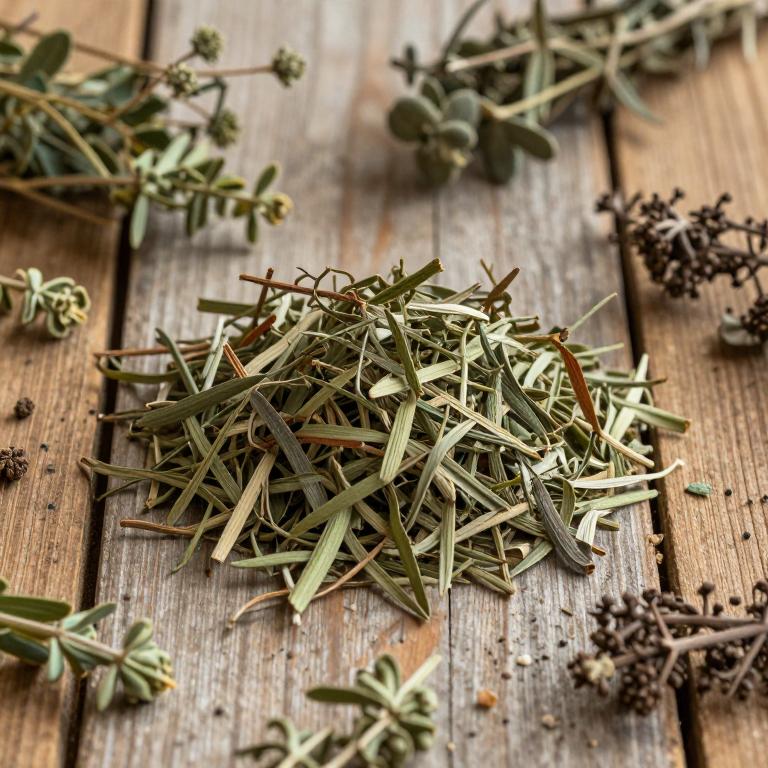
Senega cyparissias is a botanical species recognized for its diverse therapeutic potential in traditional medicine. Research indicates that its hydroalcoholic extract contains bioactive compounds, most notably the chemical class known as xanthone. These constituents contribute to significant antinociceptive activities, helping to mitigate pain sensations. Furthermore, the plant is frequently studied for its ability to address complex physiological conditions such as inflammation, asthma, and allergies. It also shows promise in managing various complications related to kidney health.
- Synonyms
- Polygala Cyparissias Var. Corisoides · Polygala Cyparissias · 1 more
- Common names
- Not available
- Family
- Polygalaceae
- Distribution
- Not available
- Plant Parts
- Not available
Classification
Common Names
Senega cyparissias is a distinctive plant species known by its local common name, Gelol-da-praia. This name reflects the specific cultural and regional connections held by those who interact with the plant in its natural habitat. Understanding these linguistic relationships helps botanists and locals alike identify the species within its unique ecosystem. Such traditional naming conventions often provide valuable insights into the historical usage and perception of the flora. By recognizing these ties, we gain a deeper appreciation for the intersection of botany and local heritage.
Sources: Catalogue of Life (COL)
Synonyms
Senega cyparissias is a botanical subject often identified through various taxonomic classifications. It is frequently documented under the synonym Polygala cyparissias in many scientific records. Furthermore, the plant is associated with the name Polygala corisoides, reflecting different historical interpretations of its species identity. Some researchers also categorize it as the specific variety known as Polygala cyparissias var. corisoides. Understanding these overlapping names is essential for maintaining accuracy in botanical studies and field identification.
Sources: The World Checklist of Vascular Plants (WCVP)
Taxonomy
Senega cyparissias is a distinct botanical specimen belonging to the kingdom Plantae. Within this vast kingdom, the plant is classified under the class Equisetopsida. It further belongs to the order Fabales, showcasing its specific evolutionary lineage. This species is a member of the genus Senega, which defines its close biological relatives. Finally, its taxonomic journey concludes within the family Polygalaceae, placing it among a unique group of flowering plants.
| Rank | Classification |
|---|---|
| Kingdom | Plantae |
| Phylum | Streptophyta |
| Class | Equisetopsida |
| Subclass | Magnoliidae |
| Order | Fabales |
| Family | Polygalaceae |
| Genus | Senega |
Sources: The World Checklist of Vascular Plants (WCVP)
Distribution
Geographic Regions
Senega cyparissias exhibits a broad geographical presence across several key regions of Southern America. In Brazil, the species is widely distributed, appearing in the Northeast, Southeast, South, and throughout the country. Its range also extends into the southern reaches of the continent, specifically within the Northeast of Argentina. Furthermore, the plant can be found established in the territory of Uruguay. This widespread distribution highlights the plant's ability to thrive across diverse South American landscapes.
Sources: The World Checklist of Vascular Plants (WCVP)
Identification
Biological Activities
Senega cyparissias, also known as Polygala cyparissias, demonstrates significant antinociceptive activity through its hydroalcoholic extract. Research indicates that this extract produces a graded inhibition of abdominal constrictions and effectively reduces both early and late phases of formalin-induced pain. Furthermore, the plant's extract has shown a capacity to inhibit neurogenic nociception caused by capsaicin and prevent hyperalgesia induced by bradykinin and substance P. A specific xanthone isolated from the plant also contributes to these effects by providing dose-related inhibition of abdominal constriction. While these findings highlight the plant's potential for managing inflammatory and neurogenic pain, its precise mechanism of action remains a subject for further study.
Compounds
Senega cyparissias, also known as Polygala cyparissias, is a plant found abundantly along the Atlantic coast of Brazil. This species has a long history of use in folk medicine to treat various kidney and bowel disturbances. Research has identified that the plant contains a specific xanthone, identified as 1,7-dihydroxy-2,3-dimethoxy xanthone, which possesses significant biological activity. Studies show that extracts from the plant produce pronounced antinociceptive effects against both inflammatory and neurogenic pain. Ultimately, these findings suggest that the isolated xanthone plays a key role in the plant's ability to inhibit abdominal constrictions and hyperalgesia.
Conditions
Senega cyparissias, also known as Polygala cyparissias, demonstrates significant medicinal potential through its ability to treat acetic acid-induced abdominal constrictions. The plant's hydroalcoholic extract and isolated xanthone provide effective antinociception by inhibiting these specific abdominal constrictions. Furthermore, the extract exhibits properties that can help treat allergy and asthma by antagonizing contractions in sensitized guinea-pig trachea. Research also indicates that the plant is capable of treating bradykinin (3 nmol/paw)-induced hyperalgesia in a dose-dependent manner. Together, these physiological effects support the traditional medicinal use of the plant in managing various inflammatory and respiratory conditions.
Preparations
Senega cyparissias is prepared as a hydroalcoholic extract to investigate its various pharmacological properties. This specific hydroalcoholic extract has demonstrated significant antinociceptive effects against both inflammatory and neurogenic nociception in animal models. Furthermore, the extract serves as a key medium for studying the inhibition of contractions induced by chemical inflammatory mediators in guinea-pig trachea. Researchers utilize this prepared extract to isolate active principles, such as the xanthone 1,7-dihydroxy-2,3-dimethoxy xanthone. Ultimately, the preparation of the hydroalcoholic extract provides a basis for understanding how the plant may manage inflammation, asthma, and allergies.