Senega altomontana
Senega altomontana · Accepted scientific name
Scientific literature: Very Sparse (3 studies) · ★☆☆☆☆
, scientifically known as Senega altomontana, is a distinctive medicinal plant valued for its potent expectorant properties. Primarily utilized in traditional herbalism to soothe respiratory ailments, its roots contain active compounds that help loosen congestion. This resilient species serves as a vital natural remedy for managing coughs and bronchitis.
- Family
- Polygalaceae
- Native range
- Southern America
- Parts used
- Not available
- Common names
- Not available
- Scientific synonyms
- Polygala Altomontana
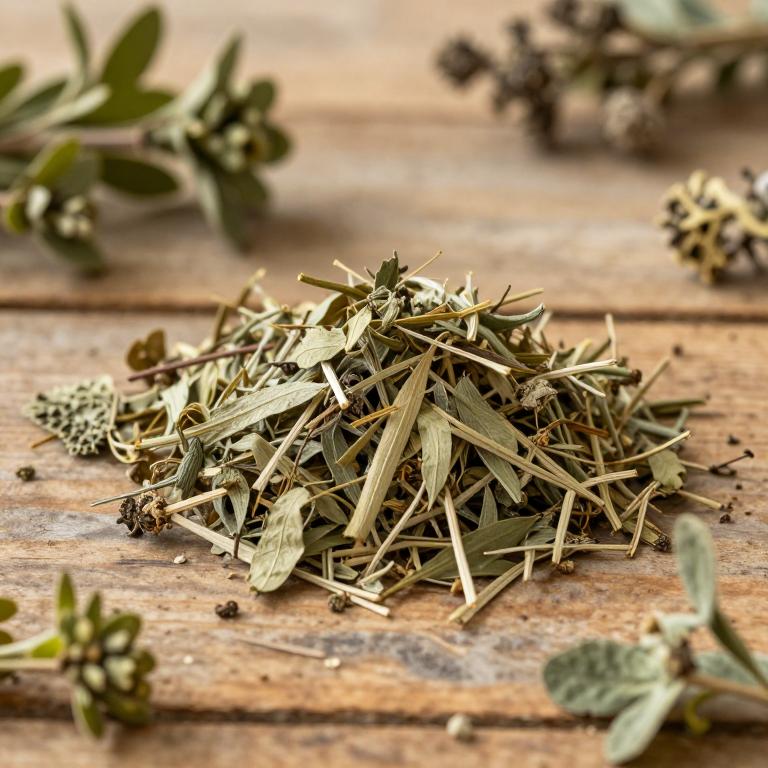
Names and Synonyms
Scientific Names
Accepted name
Senega altomontanaSynonyms
- Polygala altomontana
Sources: Wikidata
Taxonomical Classification
This plant belongs to the kingdom Plantae and the phylum Streptophyta within the class Equisetopsida. As a member of the subclass Magnoliidae and the order Fabales, it is classified under the family Polygalaeacea. Finally, it is identified by the genus Senega, specifically as the species Senega altomontana.
| Rank | Classification |
|---|---|
| Kingdom | Plantae |
| Phylum | Streptophyta |
| Class | Equisetopsida |
| Subclass | Magnoliidae |
| Order | Fabales |
| Family | Polygalaceae |
| Genus | Senega |
Sources: The World Checklist of Vascular Plants (WCVP)
Distribution
This plant, known scientifically as Senega altomontana, exhibits a very specific and limited range of occurrence. According to botanical records, its presence is strictly documented within the borders of Brazil. More specifically, its geographical distribution is confined to the southern region of the country. This means that the species is primarily found in the southern territories of Brazil rather than the tropical north. Consequently, its natural habitat is localized to this particular southern climatic zone.
| Region | Area |
|---|---|
| Brazil | Brazil South |
Sources: The World Checklist of Vascular Plants (WCVP)
Chemicals
Senega altomontana has 3 reported phytochemicals identified across 0 scientific publications and several other databases. The most consistently reported chemicals include Flavonoids, Terpenoids, triterpene.
| Chemical | Supporting sources | Consensus |
|---|---|---|
| Flavonoids | 1 supporting sources | ★☆☆☆☆ |
| Terpenoids | 1 supporting sources | ★☆☆☆☆ |
| triterpene | 1 supporting sources | ★☆☆☆☆ |
Flavonoids
- Journal of ethnopharmacology
Terpenoids
- Journal of ethnopharmacology
triterpene
- Journal of ethnopharmacology