Selaginella myosurus
Selaginella myosurus · Accepted scientific name
Scientific literature: Very Sparse (0 studies) · ★☆☆☆☆
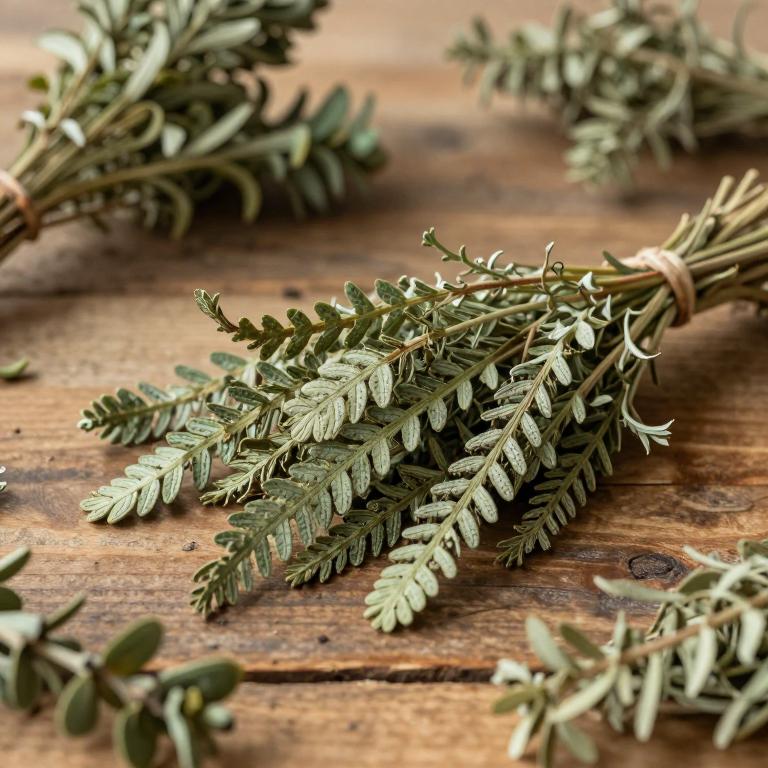
Selaginella myosurus is a unique species of lycopod fern known for its distinctive morphological features. This plant has gained significant attention in scientific research due to its diverse phytochemical profile. Researchers often utilize various preparation methods, such as the creation of an aqueous extract, to study its bioactive compounds. Additionally, the concentrated plant extract serves as a vital tool for exploring its potential pharmacological applications. Understanding these preparations is essential for unlocking the therapeutic possibilities hidden within this botanical specimen.
- Synonyms
- Selaginella Scandens · Lycopodium Scandens · 4 more
- Common names
- Not available
- Family
- Selaginellaceae
- Distribution
- Asia-Tropical
- Plant Parts
- Not available
Classification
Synonyms
Selaginella myosurus is a botanical subject that has been identified by a diverse array of scientific synonyms throughout history. Within various taxonomic frameworks, this plant has been referred to as Afroselaginella myosurus and Lycopodium myosurus. Its classification has also fluctuated under the names Lycopodium scandens and Selaginella scandens. Additionally, some historical records list the species as Stachygynandrum myosurus. Navigating these shifting names is essential for researchers seeking to maintain accurate records of the plant's lineage.
Sources: The World Checklist of Vascular Plants (WCVP)
Taxonomy
Selaginella myosurus is a distinctive botanical specimen that belongs to the diverse kingdom Plantae. Within this vast realm, it is classified under the class Equisetopsida, highlighting its evolutionary lineage. The plant is further organized into the order Selaginellales, which helps scientists understand its specific biological traits. It resides within the family Selaginellaceae, a group defined by unique morphological characteristics. Ultimately, this species is a specialized member of the genus Selaginella, showcasing the intricate complexity of plant taxonomy.
| Rank | Classification |
|---|---|
| Kingdom | Plantae |
| Phylum | Streptophyta |
| Class | Equisetopsida |
| Subclass | Lycopodiidae |
| Order | Selaginellales |
| Family | Selaginellaceae |
| Genus | Selaginella |
Sources: The World Checklist of Vascular Plants (WCVP)
Distribution
Geographic Regions
Selaginella myosurus is a plant species characterized by a widespread presence across the diverse landscapes of the African continent. Its distribution spans from the East Tropical Africa region, specifically within Kenya, to the southern reaches of South Tropical Africa in Angola. In the western part of the continent, the species maintains a strong foothold throughout West Tropical Africa. This presence is notably documented in countries such as Ghana, Guinea, and the Ivory Coast. Together, these locations highlight the significant ecological footprint this plant holds across various tropical African climates.
Sources: The World Checklist of Vascular Plants (WCVP)
Identification
Morphology
Selaginella myosurus is characterized by its distinct herb growth form. This species also exhibits an obligatory climbing habit, requiring support to thrive within its environment.
Sources: Global Inventory of Floras and Traits (GIFT)
Biological Activities
Compounds
Conditions
Selaginella myosurus exhibits significant anti-inflammatory potential through its ability to treat egg albumin denaturation. In vitro studies demonstrated that the plant's silver nanoparticle-mediated extract achieved a 99% inhibition rate against this protein denaturation. Furthermore, the plant effectively treats carrageenan-induced rat paw edema models to showcase its biological activity. In vivo testing against the carrageenan-induced rat hind paw edema model resulted in a 60% inhibition of inflammation. These specific interactions suggest that the plant acts as a potent agent in reducing the release of acute inflammatory mediators.
Preparations
Selaginella myosurus is prepared as an aqueous extract to facilitate the eco-friendly synthesis of silver nanoparticles. This specific plant extract is utilized to investigate various biomedical properties, including anti-inflammatory and antimicrobial potentials. The research further details that Selaginella myosurus is prepared as a plant extract to serve as a medium for nanoparticle characterization. By using these extracts, scientists can study the synthetic stability and functionalization of the resulting silver grains. Ultimately, the preparation of Selaginella myosurus in these forms demonstrates its potential as a source for developing new anti-inflammatory drugs.