Sedum
Sedum · Accepted scientific name
Scientific literature: Very Sparse (0 studies) · ★☆☆☆☆
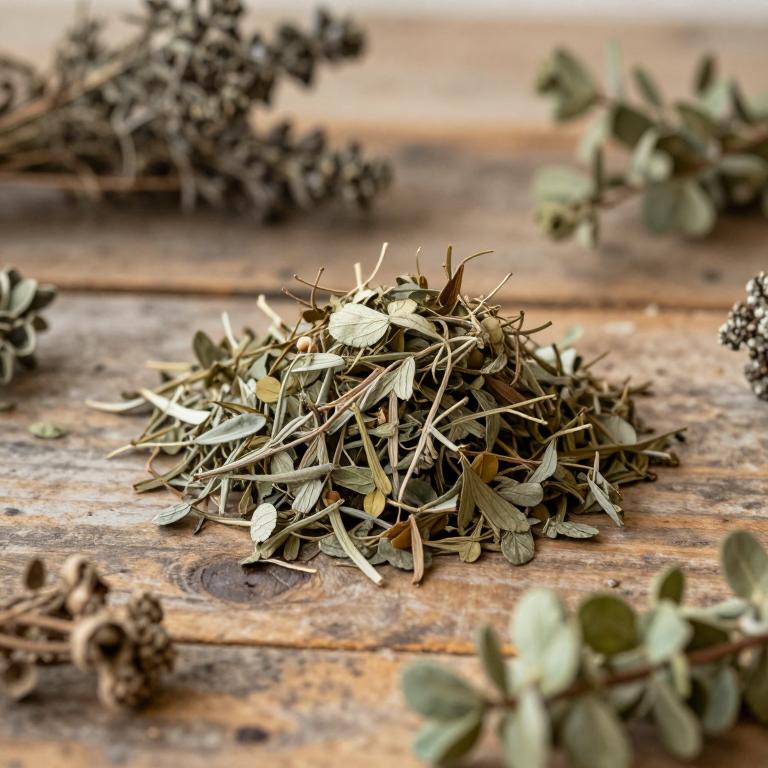
Sedum is a versatile genus of succulent plants known for their ability to thrive in diverse environmental conditions. These resilient plants are often favored by gardeners for their striking textures and ease of maintenance in rock gardens. Beyond their ornamental appeal, certain varieties are utilized in traditional practices through specific liquid extractions. One unique application involves the creation of a specialized juice derived from their fleshy leaves. This preparation highlights the multifaceted nature of the plant, bridging the gap between landscaping and botanical utility.
- Synonyms
- Amerosedum · Gormania · 31 more
- Common names
- Not available
- Family
- Crassulaceae
- Distribution
- Not available
- Plant Parts
- Not available
Classification
Common Names
Sedum is a versatile genus of plants that is recognized by a wide variety of regional and traditional names. Depending on where you are in the world, you might encounter it known as Bergknapper or Crespinell. In different linguistic contexts, it also goes by the name Crveni žednjak. Many enthusiasts also refer to these succulents using the German terms Fetthenne or Fetthennen. These diverse monikers reflect the widespread popularity and global presence of this charming plant family.
Sources: Catalogue of Life (COL)
Synonyms
Sedum is a diverse genus that has historically encompassed several other botanical groups. Through various taxonomic revisions, several genera have been recognized as synonyms within this broader classification. These include names such as Aithales and Altamiranoa, which are now integrated into the Sedum lineage. Other groups formerly treated independently, such as Amerosedum and Balfouria, are also considered part of this complex family. Additionally, the genus Breitungia has been merged into Sedum, reflecting the evolving understanding of these plant relationships.
Sources: The World Checklist of Vascular Plants (WCVP)
Taxonomy
Sedum is a fascinating organism that belongs to the kingdom Plantae. Within this vast biological realm, it is specifically classified under the class Equisetopsida. Its evolutionary lineage continues through the order Saxifragales, showcasing its unique place in nature. Furthermore, this plant is a distinguished member of the family Crassulaceae. Ultimately, it is defined by its very own genus, which shares its namesake.
| Rank | Classification |
|---|---|
| Kingdom | Plantae |
| Phylum | Streptophyta |
| Class | Equisetopsida |
| Subclass | Magnoliidae |
| Order | Saxifragales |
| Family | Crassulaceae |
| Genus | Sedum |
Sources: The World Checklist of Vascular Plants (WCVP)
Distribution
Geographic Regions
Sedum displays a diverse geographic range that spans across several distinct regions of the African continent. In East Tropical Africa, these resilient plants can be found thriving within the borders of Kenya, Tanzania, and Uganda. Their distribution also extends westward toward the Atlantic islands located in the Macaronesia region. Specifically, populations are established throughout the Canary Islands and the lush landscapes of Madeira. This wide-reaching presence highlights the plant's ability to adapt to various tropical and island environments.
Sources: The World Checklist of Vascular Plants (WCVP)
Identification
Biological Activities
Compounds
Conditions
Preparations
Sedum telephium L. is prepared as juice through the use of its fresh leaves in traditional medicine. This juice is specifically utilized for its properties as a promoter of wound healing. Research indicates that the total Sedum juice possesses a strong ability to inhibit cell adhesion to laminin and fibronectin. The anti-adhesive characteristics of the juice are primarily concentrated within its polysaccharide fractions. These natural polysaccharides allow the juice to effectively interfere with integrin-mediated cell behavior during the healing process.